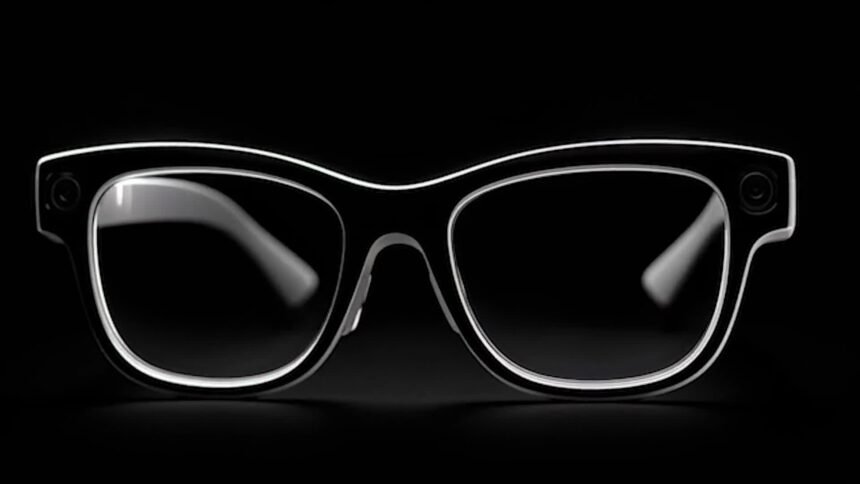
At the India AI Impact Summit 2026 in New Delhi, Prime Minister Narendra Modi paused at one exhibit long enough to slip on a pair of sleek black spectacles. They weren’t a foreign import or a research prototype — they were Sarvam Kaze, the first AI-powered smart glasses built in India. “The first person to try them? The Prime Minister,” Sarvam AI co-founder Pratyush Kumar wrote afterwards, sharing the photographs.
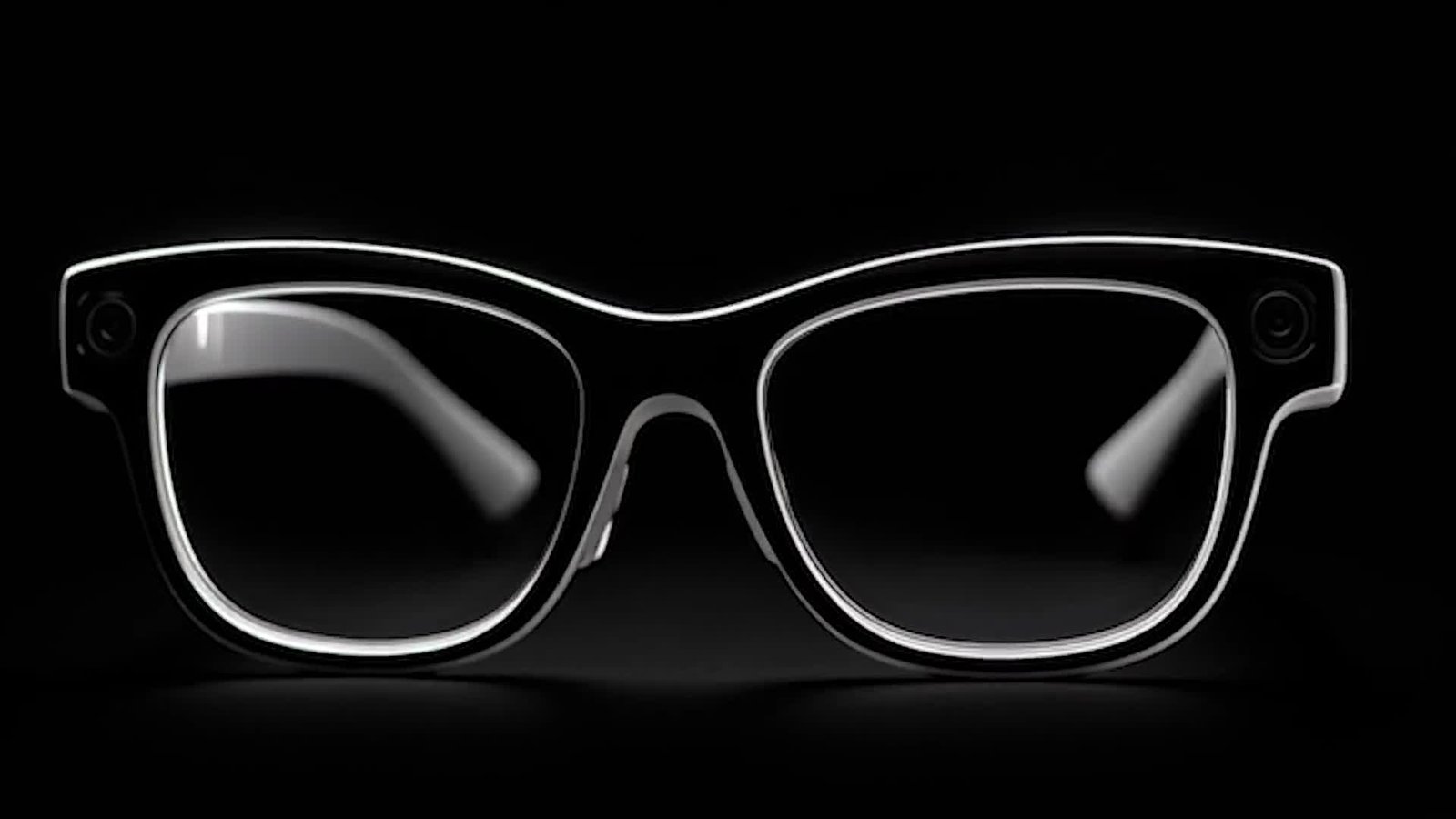
The glasses are the first consumer hardware from Sarvam AI, the Bengaluru startup announced by Kumar in February 2026 as “our foray into getting our models into your hands with our devices — designed and built here in India.” Kaze responds to voice commands, listens and responds in real time, and captures what the wearer sees through built-in cameras. The hardware packs speakers, microphones and cameras into a standard-looking frame, plus a companion ring for tap-and-scroll control, according to the company’s launch briefings.
Intelligence that speaks your language
What sets Kaze apart is what runs underneath. The glasses are powered by Sarvam’s own foundational models — trained specifically for Indian languages and optimised for voice-first interaction and document understanding, rather than an off-the-shelf foreign model bolted onto hardware. In a category dominated by English-first devices like the Meta Ray-Ban, Sarvam is betting that a device built around how India actually speaks is the wedge.
From models to the real world
The launch matters because of what Sarvam is: one of the organisations selected under the government’s IndiaAI Mission to build India’s sovereign foundational AI models, and the biggest recipient of GPU subsidies so far — 4,096 NVIDIA H100 GPUs via Yotta Data Services. The company says its core models were built by a 15-member team over two years, with its voice-AI platform already handling millions of minutes of speech daily. Kaze is the public-facing proof of that stack: AI moving off the screen and into everyday life. The company is also opening the device to developers to build custom experiences on top of it.
What is not known yet
Sarvam has not disclosed pricing, battery life, or full hardware specifications. At launch, the company said Kaze would reach buyers in May 2026 and promised affordable pricing; the official waitlist on sarvam.ai remains open. Until independent units ship and are tested, the hardware claims stay in the company’s court — but the software claim behind them is already public, and IndiaAI’s backing gives them weight.
For decades India has been the world’s software factory. With Kaze, Sarvam is attempting something harder: taking that software off the screen, putting it on a face, and making it speak the country’s languages. The hardware race in AI is just beginning — and for the first time, India has a contender of its own.