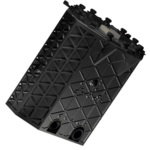
On 14 October 2026 — its fourth anniversary — Six Sense Mobility opened its first manufacturing facility in Noida. The 40,000 sq. ft. plant is a deliberate statement of intent: a vertically integrated electronics factory with an installed capacity of more than one million units a year, built to design and produce the hardware that is turning cars into connected, software-defined machines. The launch was reported by Autocar Professional, Electronics For You and CXOToday.
What the plant actually makes
The facility brings hardware development, firmware, software integration and serial production under one roof. The current portfolio includes advanced telematics control units, connected-vehicle systems, advanced body control units and intelligent implement control systems — and the company is developing or preparing to introduce vehicle-to-everything (V2X) communication devices, radar and ADAS-related systems on the same lines.
These are not aftermarket accessories. Six Sense Mobility operates as a Tier 1 supplier, designing and manufacturing parts that go into vehicles sold by named OEM customers — Volvo Eicher Commercial Vehicles and Sonalika Tractors are the publicly identified ones — across roughly 15 OEM relationships. Commercial vehicles currently account for about 80% of its automotive business; the company says that for some customers its electronics now represent as much as 5% of a vehicle’s total bill of materials.
Full-stack, by design
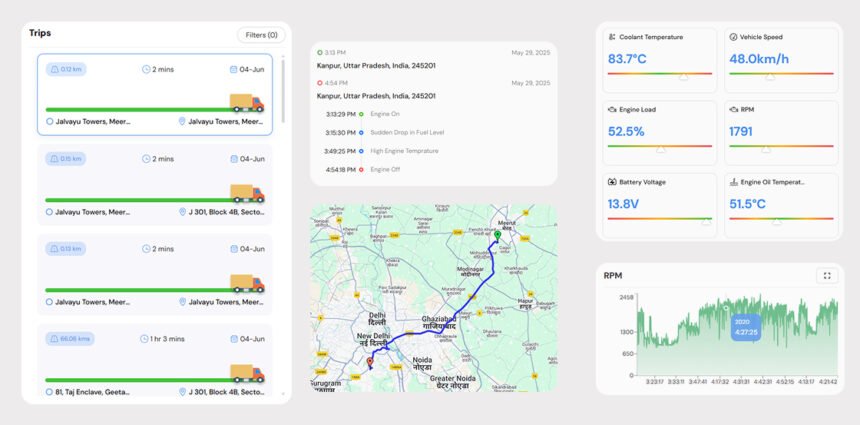
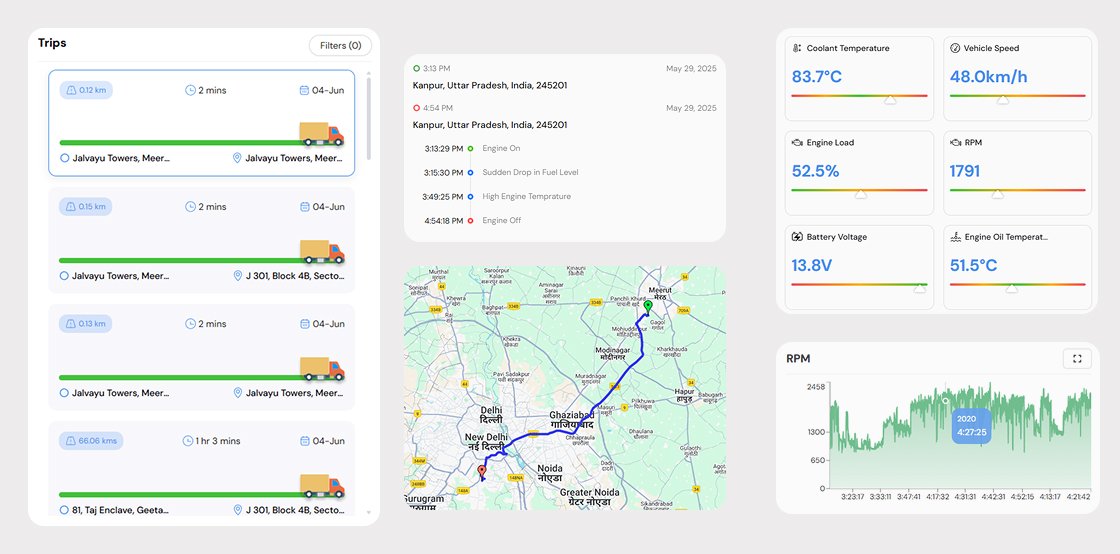
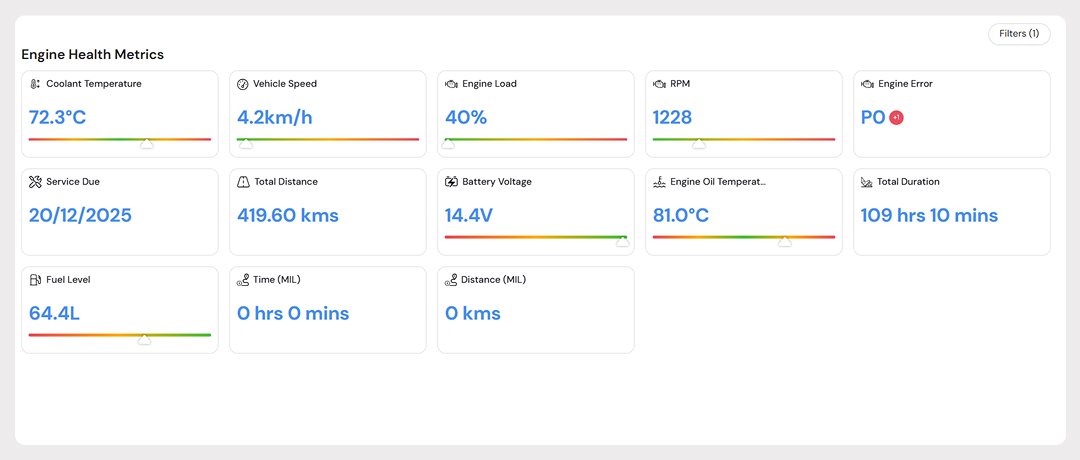
The engineering claim that matters here is vertical integration: the company says it controls the hardware, firmware, software, cloud infrastructure, machine learning and analytics behind its connected-vehicle platform. That lets it respond to OEM programmes without depending on external engineering partners — and, notably, it claims to have replaced imported electronic systems from established multinational suppliers on some customer programmes. It has deployed between 25,000 and 30,000 devices across India and Europe and backs its growth plans with a reported order book exceeding ₹160 crore.
The road so far
Six Sense Mobility was founded in October 2022 by Sumit Roy, Kapil Rao and Narendra Kumar Verma, and is incubated at IIT Delhi. It raised ₹6 crore in a 2024 seed round led by Piper Serica, then ₹44 crore in a pre-Series A round in February 2026 led by investor Ashish Kacholia with Piper Serica participating — the capital that funded this Noida plant. The company says it plans to triple its workforce over the next two years, adding roughly 300 engineering and manufacturing positions, and is targeting expansion into North America and Southeast Asia after India and Europe.
Caveats, honestly stated
The ₹500 crore revenue target in three years is a target, not a fact. The claim of displacing imported Tier 1 systems is the company’s own, and worth stating as such. And V2X, radar and ADAS hardware are still in the development-and-ramp phase — the plant’s job is to carry them from the lab into mass-produced vehicles at scale.
More Read
Still: an Indian deeptech company designing, manufacturing and shipping automotive electronics end-to-end in India — and already embedded in the supply chains of named OEMs — is exactly the kind of hardware-first engineering story worth noting.