The fastest network in a crisis is often the one you can set up without digging a single trench. In Ahmedabad, a deeptech company is betting the answer is not more fibre — it is no fibre at all: data riding on precisely aimed beams of light.
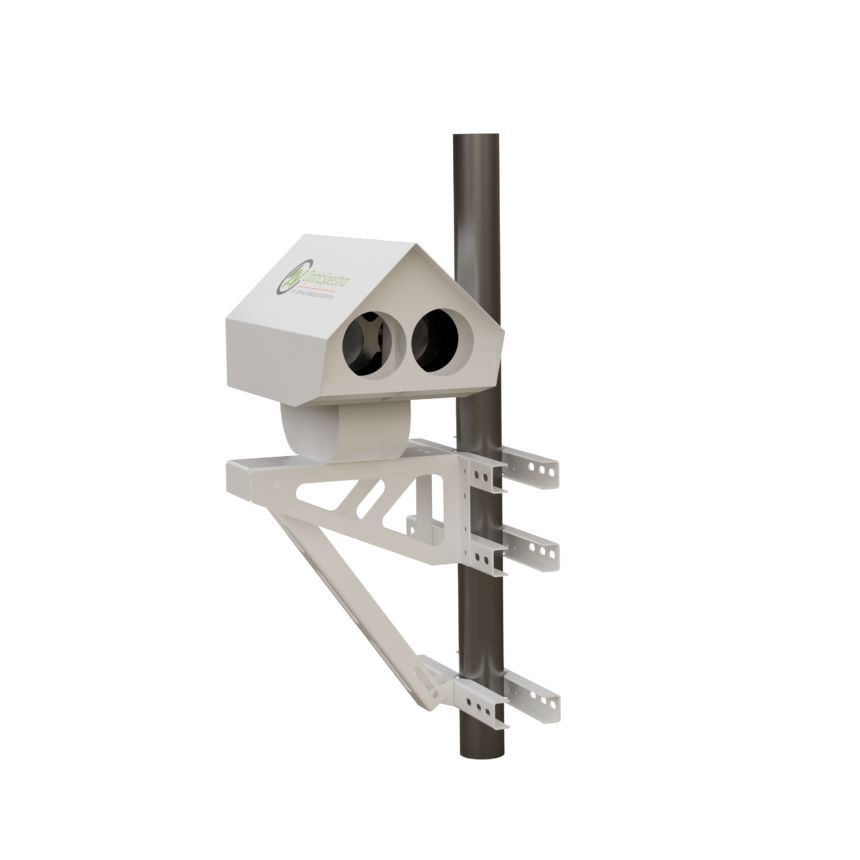
The company is Nav Wireless Technologies Pvt. Ltd. (NavTech), and on 9 October 2026 it unveiled OpticSpectra 40G at India Mobile Congress 2026 — an India-developed Free Space Optical (FSO) communication system that, the company says, delivers data speeds of up to 40 Gbps over an optical wireless link. The company describes it as India’s highest-capacity optical wireless system of its kind.
Fibre-like speeds, no fibre
Free Space Optical communication establishes point-to-point wireless links through highly directional beams of light, eliminating the need to lay physical optical fibre between the endpoints. For telecom networks, NavTech is aiming OpticSpectra 40G at high-capacity backhaul and fibre-extension connectivity. In defence and strategic communication environments, optical wireless links can potentially support rapidly deployable, high-capacity communication without a physical cable across the complete path — useful where extending fibre is difficult, time-consuming or operationally impractical, the company says.
The engineering differentiator is adaptability. Atmospheric conditions — fog, rain, interference — are the classic weakness of free-space optics, and OpticSpectra’s platform dynamically adjusts bandwidth based on environmental conditions, the company says, keeping mission-critical links up for smart cities, defence, disaster recovery and enterprise backhaul.
From LiFi pioneer to a global photonics bet
NavTech is no newcomer to light-based communication. The Ahmedabad-based company, led by co-founder and CTO Hardik Soni — an Electronics and Communication engineer from Sardar Patel Institute with management training from IIM Ahmedabad and a prior career at Intel in Tokyo, where he set up R&D centres in the UAE and the UK — has spent years positioning itself as India’s LiFi pioneer. It has supplied LiFi technology to ISRO, signed a co-research agreement with IIT Delhi’s technology-transfer body FITT for indigenous LiFi networks, and its stall was visited by Prime Minister Modi at India Mobile Congress 2022. During the pandemic it installed around 600 made-in-India LiFi units at SMIMER’s Covid isolation wards in Surat.
The company’s product family pairs the OpticSpectra FSO platform with NavOcular, an infrared-mesh visible-light communication system for indoor environments such as hospitals, factories and EMI-sensitive areas.
More Read
The commercial push is now explicitly global. Ahead of IMC 2026, the company told PTI it has invested around ₹80–90 crore in R&D to date to build optical systems it says can compete with global players, is evaluating commercial deployments in the US, Europe and New Zealand, and is targeting about 30 per cent of revenue from international markets over the next three years, backed by an active order pipeline of up to ₹15 crore. “Our ambition is larger than building individual products; we want to build advanced optical communication technologies in India that can compete globally,” Soni said.
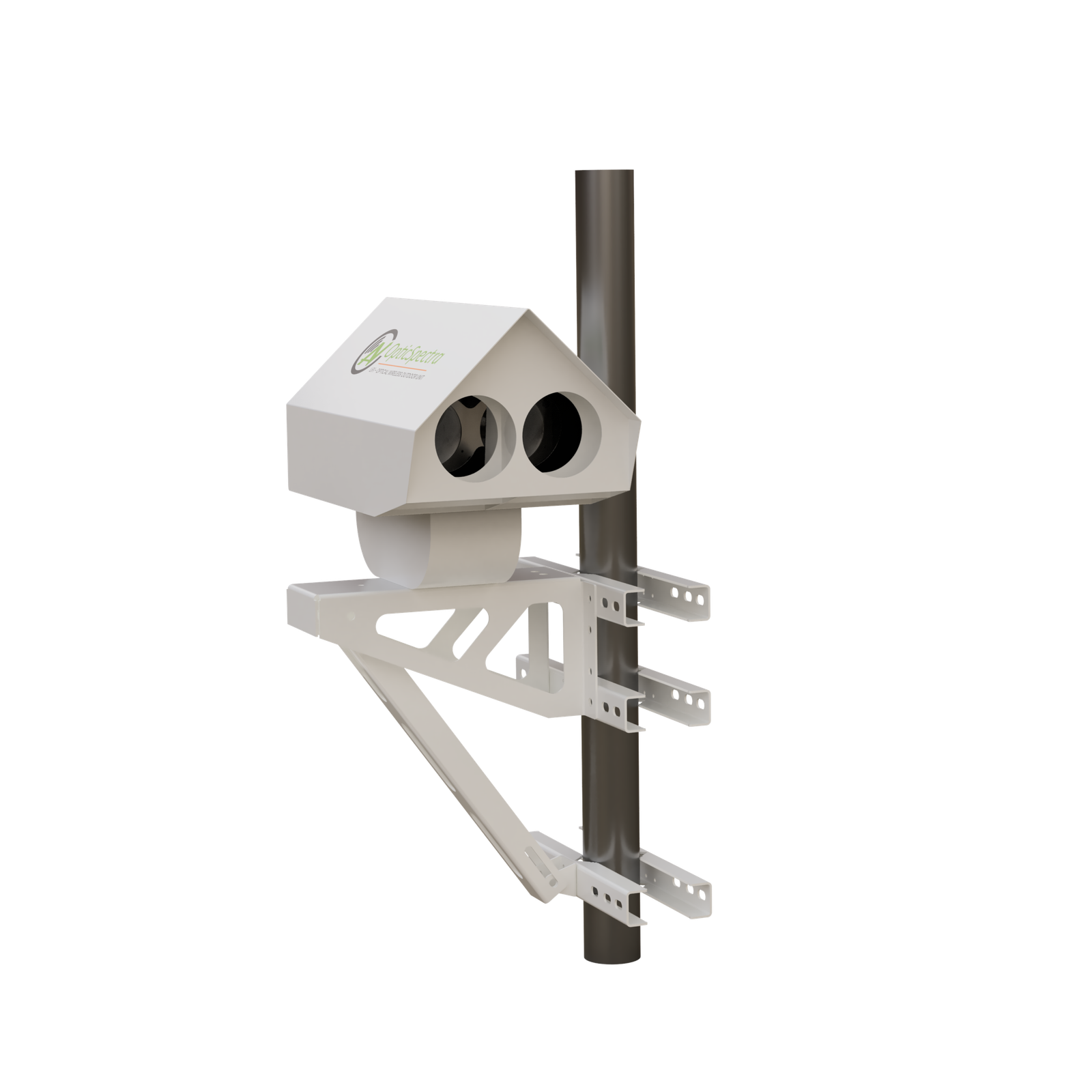
Watch: the optical wireless platform
Video: NavTech’s optical wireless connectivity solutions. Source: navwireless.com