Modern warfare has a quiet problem: the satellites a drone navigates by can be jammed or spoofed, and when that happens a drone that depends on GPS simply stops working — precisely when it is needed most. In Hyderabad, two undergraduate students at BITS Pilani decided to remove that dependency altogether. Their startup, Beijan, builds a small plug-and-play module that lets a drone navigate by what it can see, not by what it can receive — and the Indian Army is already putting it through its paces.
Beijan was founded in 2025 by Naman Kasliwal and Shiv Patil, both still undergraduates at BITS Pilani’s Hyderabad campus, where the company works out of the CORAS Lab. The idea began as a low-cost visual navigation system the pair built for the ISRO Robotics Challenge, where it reached the final — and caught the attention of defence officials, who invited them to the Pokhran field firing range. From there came collaboration with the Army Design Bureau, and a company built around one clear principle: give the machines the Army already owns a brain, instead of asking it to buy new machines.
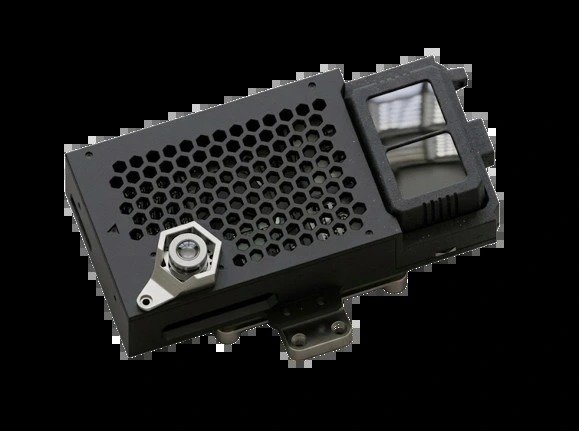
The little black box that sees instead of listening
The Beijan Autonomous Navigation Module, or BANM, is a compact edge-computing board that attaches to any drone and gives it GPS-denied navigation using onboard vision. Instead of waiting for a satellite signal, the module watches the ground below with its cameras and works out where the aircraft is from what it sees — the company calls it custom visual odometry — so the drone keeps flying even when satellite signals are weak, unavailable or deliberately blocked. All the processing happens on the platform itself, with no cloud dependency, and the board plugs into any UAV over MAVLink, so existing fleets become intelligent without being replaced. The company says the module makes any drone effectively anti-jammable, and that it speeds up the intelligence cycle by around thirty times.
That is a problem the whole world is chasing. Jamming and spoofing are now routine in contested environments, and a navigation system that relies on what the aircraft can see rather than what it can receive removes the dependency entirely. Beijan’s module has been field-validated in some of India’s toughest proving grounds — pilots at the Pokhran field firing range, Secunderabad and Leh, including a week-long deployment with an Army camp near Jaisalmer — and the company says its navigation module has received letters of intent from eight military units.
The gun that aims itself
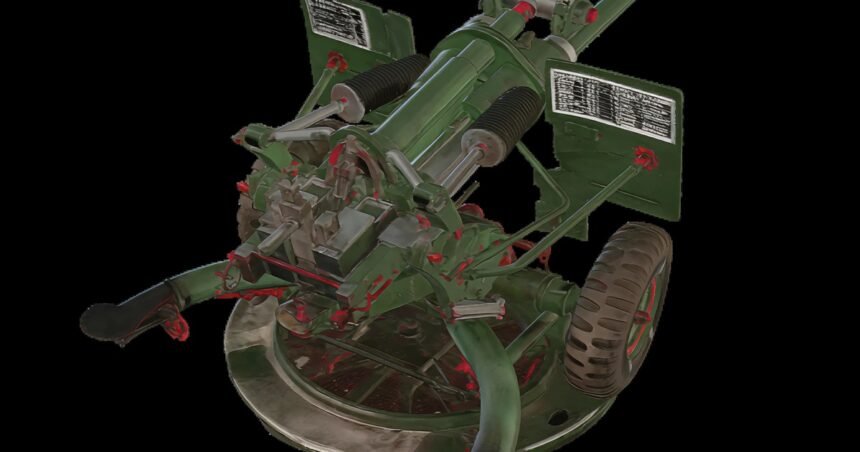
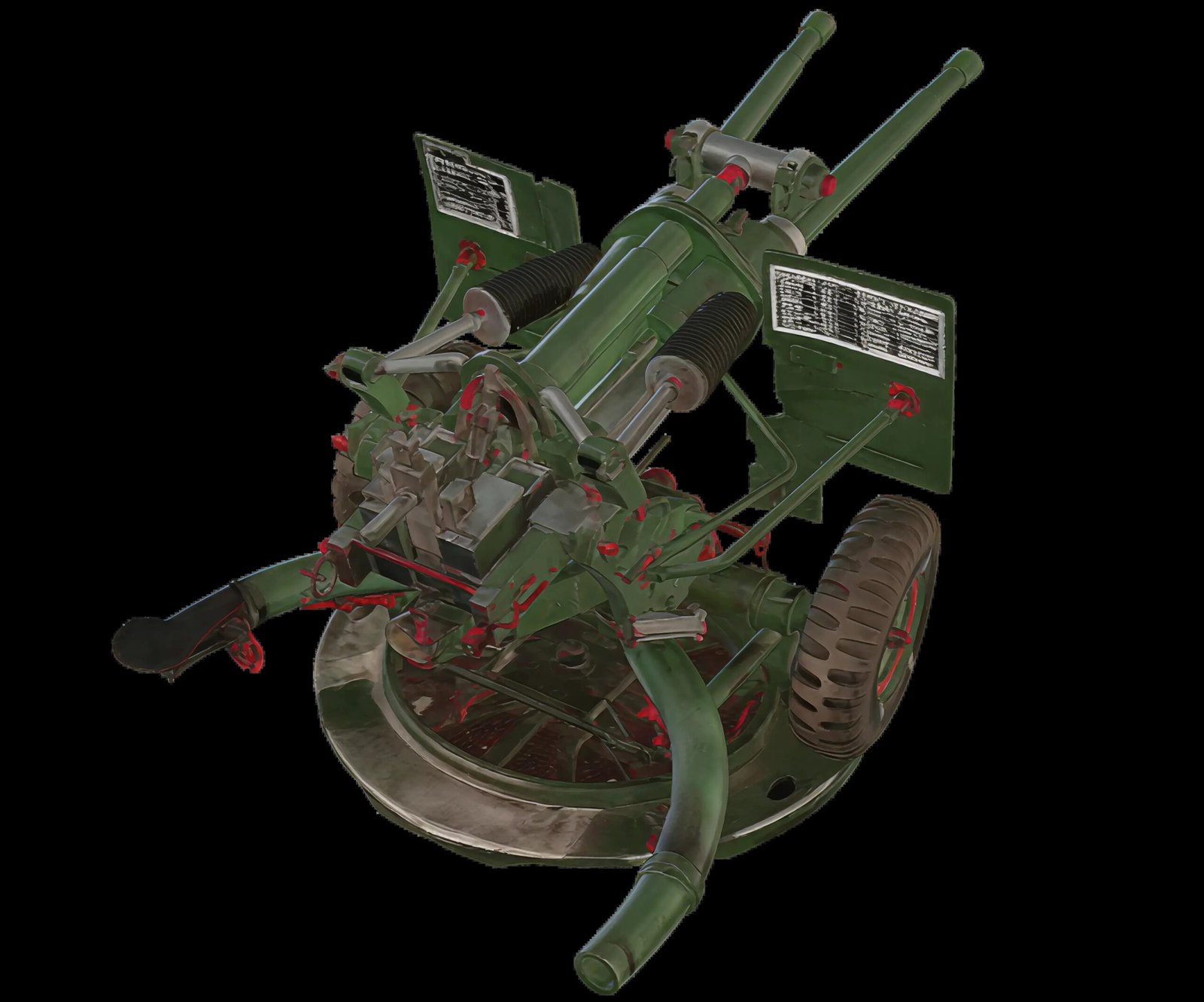
Beijan’s second system turns the same thinking to India’s legacy field artillery. The Autonomous Artillery Positioning System, or AAPS, is a full-stack fire-control system that replaces manual dial sights, hand-cranking and legacy firing tables with CNN-computed ballistics, RTK/IMU positioning and motor-actuated gun laying, all in a single closed loop. The company says it delivers three times the engagement speed of the manual baseline, positioning to 0.1 degrees, and 70 percent fewer rounds to get on target — and the system is currently under an IRND programme with the Indian Army, which has placed a Rs 20 lakh order for the artillery automation system.
From a campus lab to the Southern Command
The third piece of the platform is software. Beijan’s Prachand swarm ground-station software is deployed with formations under the Indian Army’s Southern Command, with further applications developed for Army Air Defence, and its DOOAF ground-station layer turns a live UAV video feed into firing coordinates — the company says it pins a target to within two to five metres and returns a corrected firing solution in under ten seconds, against eight to fifteen minutes by hand, from more than ten kilometres away. A secure mesh network ties the pieces together, so battlefield assets can communicate without depending on infrastructure that can be disrupted.
More Read

The traction has already drawn backing: Beijan has raised Rs 1.7 crore in a pre-seed round led by ajvc, the day-zero fund run by Aviral Bhatnagar, with the founders the youngest in the fund’s portfolio. The company has also won a Rs 25 lakh grant through the Curiosity programme. What began as two students building a navigation system for a robotics challenge is now a small company whose kit has flown in Leh, fired at Pokhran and deployed with the Southern Command — and whose whole pitch is that India’s existing machines, given a brain, are already good enough.
Keep reading: India’s First Inflatable Space Habitat: Inside Akashalabdhi’s AntarikshHAB · Two Hundred Kilos Over the Himalayas: Inside Scandron’s CargoMax Heavy-Lift Drones · More Aerospace & Defense stories
Like stories like this? Add Exceptional Technology as a preferred source on Google to see more of our reporting in your search results and Discover feed.