


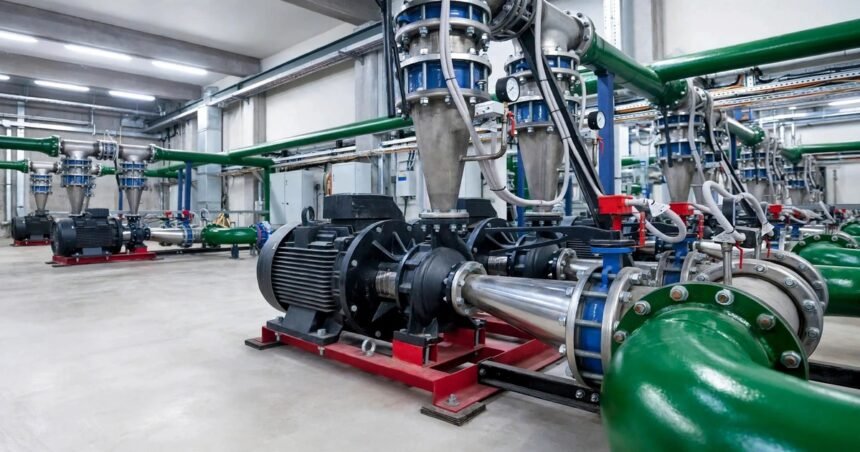
Every day, Bengaluru lifts millions of litres of Cauvery water nearly 100 kilometres and hundreds of metres uphill to reach the city. The pumps that do that lifting are among the biggest electricity consumers in the entire water system — and for decades, most of them ran the way pumps always have: switched on, left alone, and checked only when something broke. In Bengaluru, a team of engineers who had spent their careers inside pumping stations decided the pumps themselves should start talking. Their answer is iPUMPNET — a made-in-India system that watches every pump in real time, and it is already saving Bengaluru’s water board crores in electricity every year.
Pump Academy Private Limited was founded in Bengaluru in June 2021 by Anil Sethi and Deepak Sethi. Anil Sethi, the company’s founder-chairman, has spent more than 45 years in the water sector, and together the two have set up, operated and maintained more than 5,000 pumping stations. iPUMPNET grew directly out of that field experience: the knowledge that a pump rarely fails without warning — it whispers first, in vibration, temperature, pressure and power draw, and nobody was listening.
iPUMPNET listens. IoT sensors fitted to each pumping set stream live data to a central platform, where deep-learning and machine-learning models read the electrical, mechanical and hydraulic behaviour of every pump together, rather than in isolation. The system spots the hidden performance losses that a routine inspection misses — a pump drifting away from its best efficiency point, a bearing beginning to wear, a valve throttling flow — and traces each change back to its root cause against a calibrated baseline. Operators see it all on one dashboard, on the web or on a phone, with alerts before a small inefficiency becomes a breakdown. The company says the approach lifts pumping-station efficiency by 5 to 35%, extends the life of the assets by up to 50%, and cuts life-cycle cost by 15 to 45%, with the investment typically paying for itself within a year.
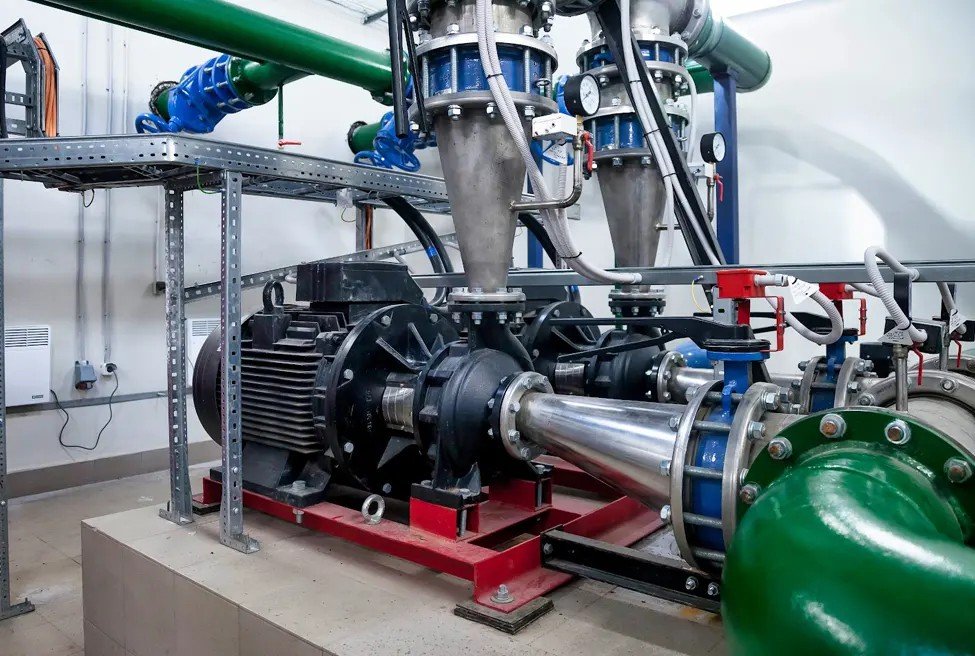
The proving ground is Bengaluru itself. Pump Academy first won an ₹8-crore BWSSB project to optimise pumping-station monitoring and management, installing its Integrated Performance Management System at the TK Halli, Harohalli and Tataguni stations of the Cauvery Stage 4 Phase-I scheme, which moves 300 million litres a day. Then, in January 2026, BWSSB deployed iPUMPNET across 78 of its major pumping stations — a rollout the board expects to save more than ₹40 crore a year in electricity. BWSSB chairman V. Ram Prasath Manohar said the technology has given the board a far deeper scientific understanding of its pumping infrastructure, and the board says it is the first water utility in the world to adopt such a system at this scale.
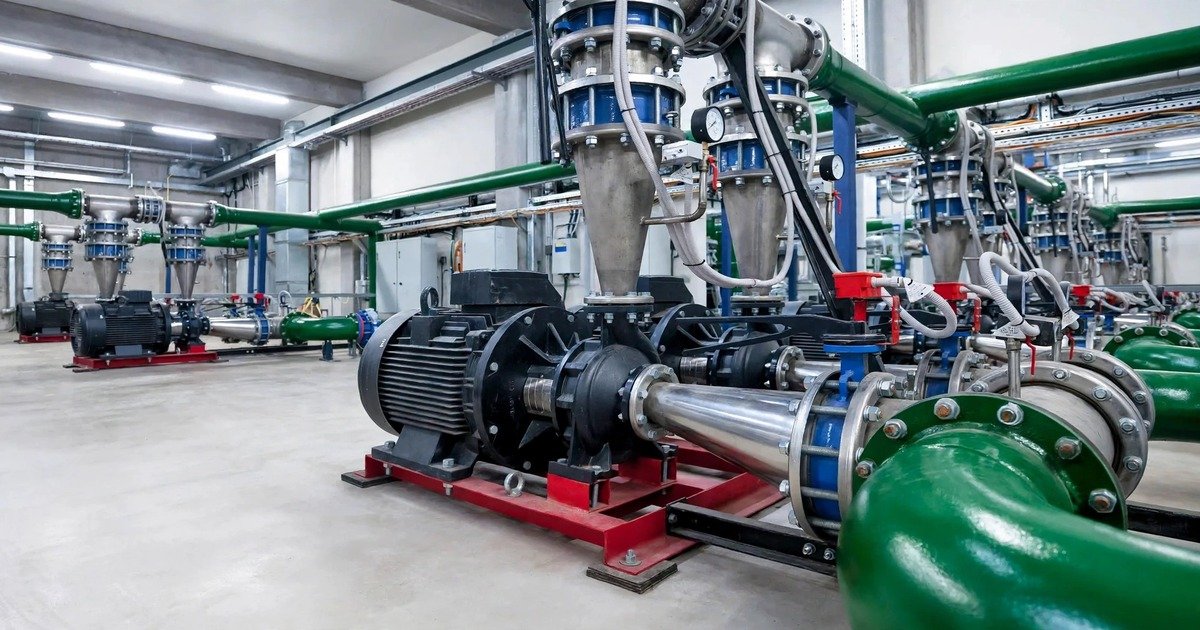
The work has drawn national attention. Union Jal Shakti Minister C. R. Paatil unveiled iPUMPNET at the 8th India Water Week in New Delhi in September 2024, the system won the Economic Times Infra Focus Award 2024 as the Best Brand in Water Technology, and in January 2026 it took home a National Startup Award in the Bootstrap Startup category from the Ministry of Commerce and Industry. Pump Academy estimates that putting iPUMPNET to work across every pumping station in India could save around 5 GW of energy — and the same technology applies far beyond drinking water, to wastewater treatment, power generation, irrigation, oil and gas, and paper and pulp. From a city that lifts its water uphill every single day, a quiet Indian innovation is showing the world how to pump smarter.
Keep reading: Decisions in a Blink: Inside Sthānika, the Hyderabad Lab Whose AI Out-Decides the World’s Best · The Kitchen That Cooks Itself: Inside upliance.ai, Bengaluru’s AI Chef for Every Indian Home · More Industrial Automation & Technology stories
More Read

Like stories like this? Add Exceptional Technology as a preferred source on Google to see more of our reporting in your search results and Discover feed.







