


Picture a crowded Mumbai local at rush hour, or a café in Bengaluru at lunchtime, music playing, a dozen conversations overlapping. You need to tell your AI agent to move a meeting, or dictate a note before the thought slips away. You raise your voice. It still gets it wrong. The world is too loud for the voice interface — and that is exactly the problem a young Indian-founded hardware startup set out to solve.
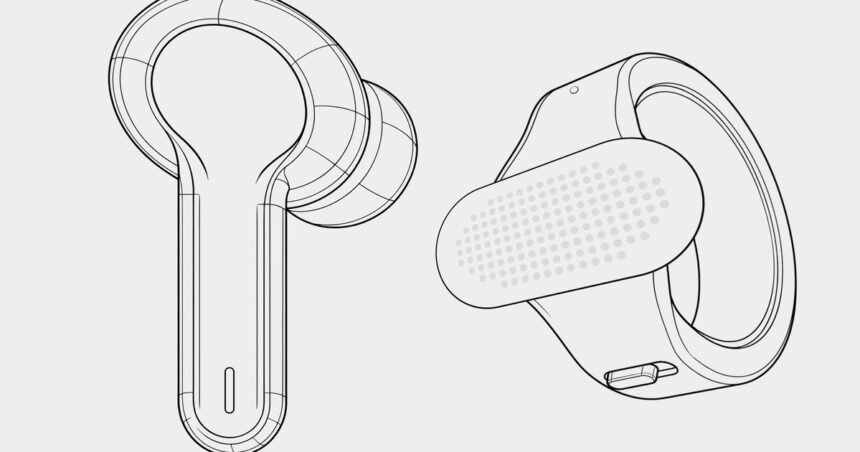
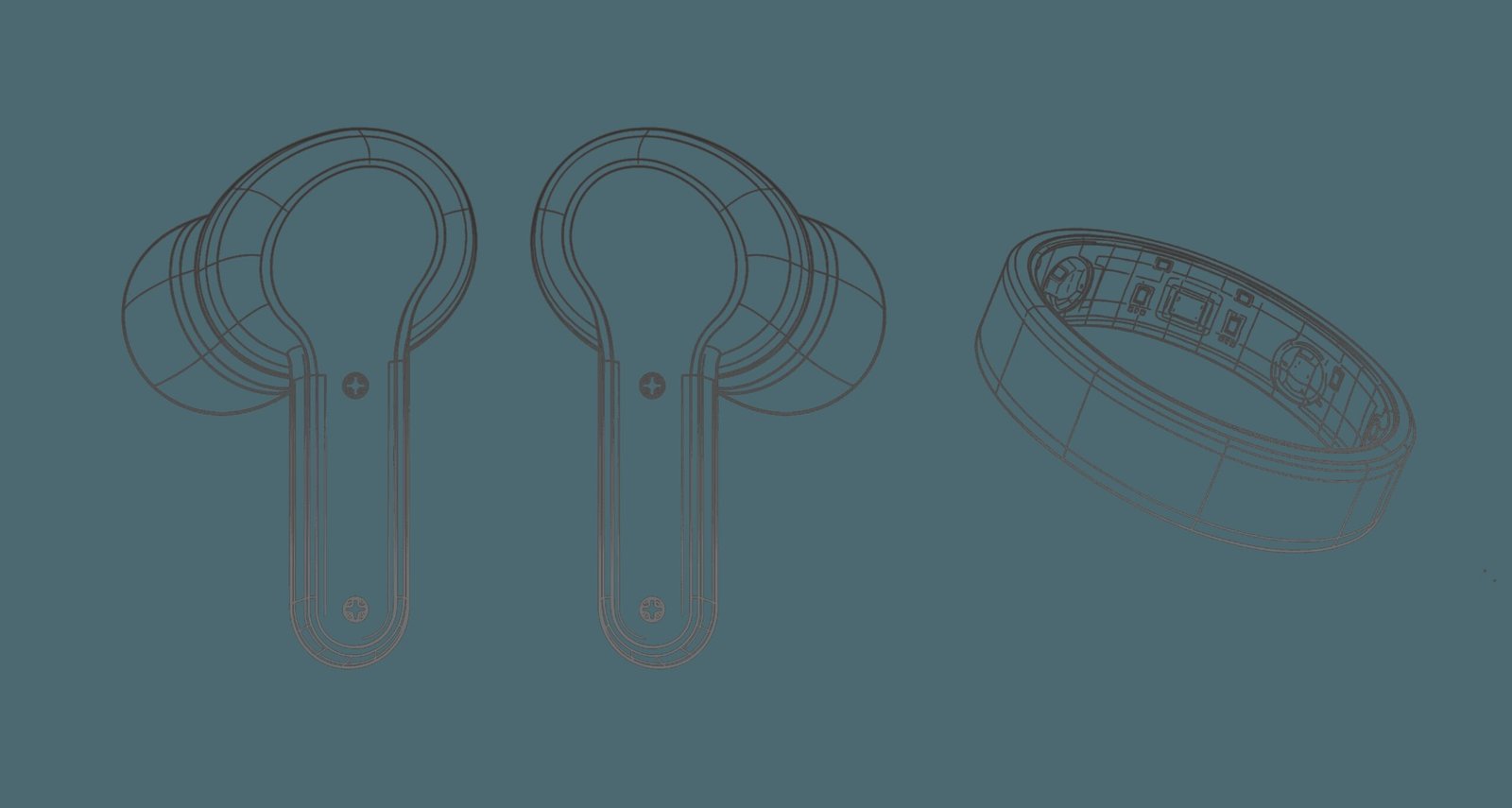
antimattr is building a voice-first hardware interface for human–agent interaction: earbuds that isolate only your voice from the noise around you, paired with a smart ring that turns a tap into an instruction. Together they form Project Mnemosyne, the company’s first device — a way to talk to AI agents as naturally as talking to a person, wherever you happen to be.
Two devices, one conversation
The earbuds are the listening half of the system. They carry six microphones and the company’s proprietary voice-isolation technology, which the company says filters out close to 90 decibels of background noise and cuts the word error rate in transcription from around 30% on ordinary earbuds in noise to under 5%. A call from a pub, a dictation on a train, a command on a crowded street — the earbuds send your voice and leave the noise behind.
The ring is the control half. A tap captures a thought, starts a workflow, or records a conversation and turns it into a searchable summary. It can flag an AI agent that is waiting on you — a coding agent asking for input, for instance — and let you answer without reaching for your phone. The ring runs the software; the earbuds carry the voice.
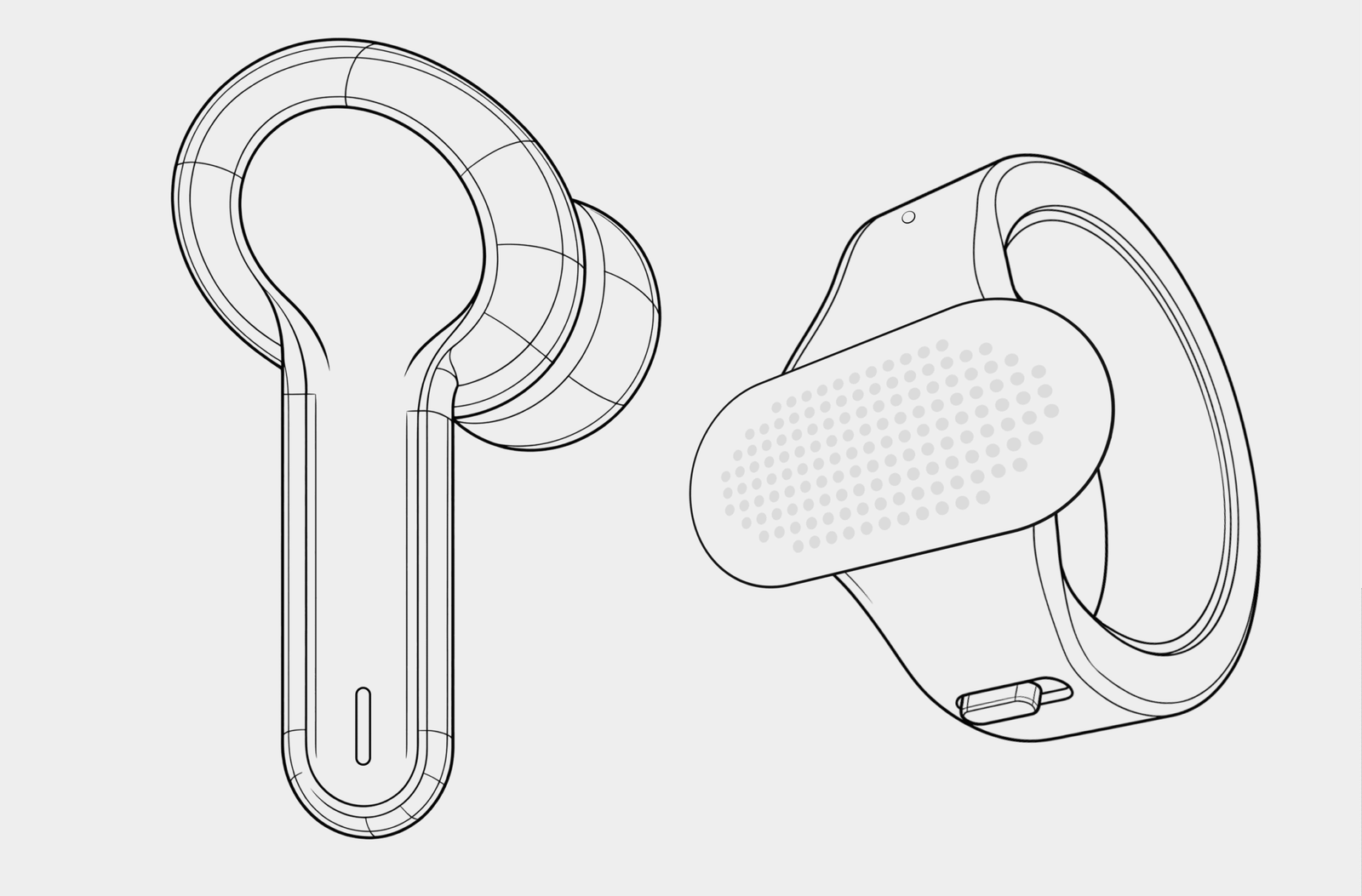
Both devices work with iOS, Android, Windows and macOS, and the system is built for the agents people already use. The ring can nudge an agent that needs a human yes, and the earbuds make sure that yes is heard clearly the first time.
Private by design
Voice hardware that listens raises an obvious question, and antimattr answers it in the design: the devices are not always listening. They record only when the wearer deliberately triggers them. The company says it keeps the raw audio but never uses it to train a model, and it is pursuing SOC 2 and HIPAA compliance to bring enterprise-grade security to how the data is stored and handled.
More Read

That privacy-first instinct shapes the roadmap too. After Mnemosyne comes Project Soteria, a private, locally hosted AI computer, and then Project Athena, which the founders describe as the machine that defines how humans function. The long-term vision is an ecosystem of devices for natural human–machine interaction — with the intelligence living on the device, not in the cloud.
From a software shutdown to Y Combinator
antimattr was founded in 2025 by Sridipto Ghosh and Sirsha Chakraborty, friends since childhood who had already built a software business together — Snipe!, which reached 150,000 users and $250,000 in annual revenue serving Fortune 500 clients. They shut it down to build hardware, a move almost everyone advised against.
The early work happened at Scaler Innovation Lab, where 3D printers and soldering stations let the pair iterate fast. In April 2026 they met nearly 150 manufacturers in China before finding their production partners, and the first batch of Mnemosyne shipped in June — and sold out. The company says pre-orders have since passed 2,000, with a public beta expected in December 2026 and shipping planned for early 2027. Reservations are refundable, from $129 for the earbuds to $299 for the earbuds and ring together.
The momentum carried the pair to Y Combinator’s Fall 2026 cohort — the first India-origin wearable company the accelerator has backed — alongside a Rs 20 lakh equity-free grant from Nikhil Kamath’s WTFund, on top of about Rs 25 lakh the founders put in themselves.
Why it matters
AI agents can already book, send, remind and control. What they have lacked is a way in — a voice interface that works in the real world, not just in a quiet room. antimattr’s bet is that the fix is hardware, built ground-up for voice: earbuds that hear only you, and a ring that turns a tap into an action.
It is also a distinctly Indian hardware story: two founders who walked away from a working software business to build a device nobody told them a startup could build, and took it from a Bengaluru prototyping lab to Y Combinator and a sold-out first batch in under two years. The next time you dictate a message from a noisy street and it lands perfectly, the interface in your ear may well have started in India.
Keep reading: One Model, Seventeen Languages: Inside FrontiersMind’s NandiBERT, the Open Encoder Built for India · The Screen That Sees the Room: Inside Cybernetyx’s EyeRIS, the Indian Vision AI in 80 Countries · More Industrial Automation & Technology stories
Like stories like this? Add Exceptional Technology as a preferred source on Google to see more of our reporting in your search results and Discover feed.







