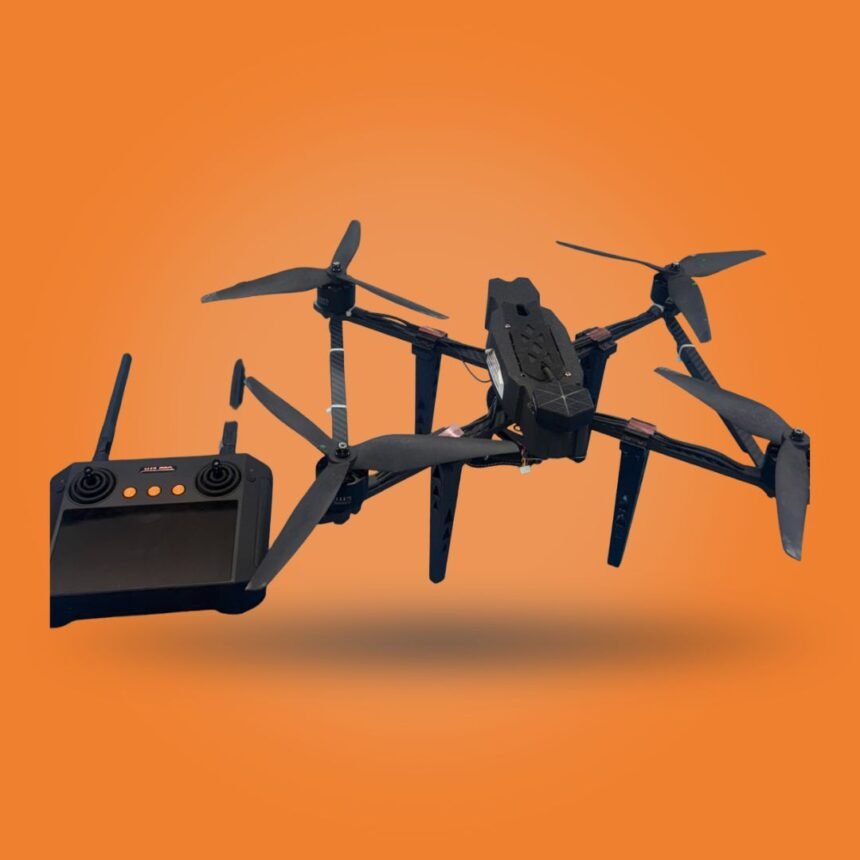
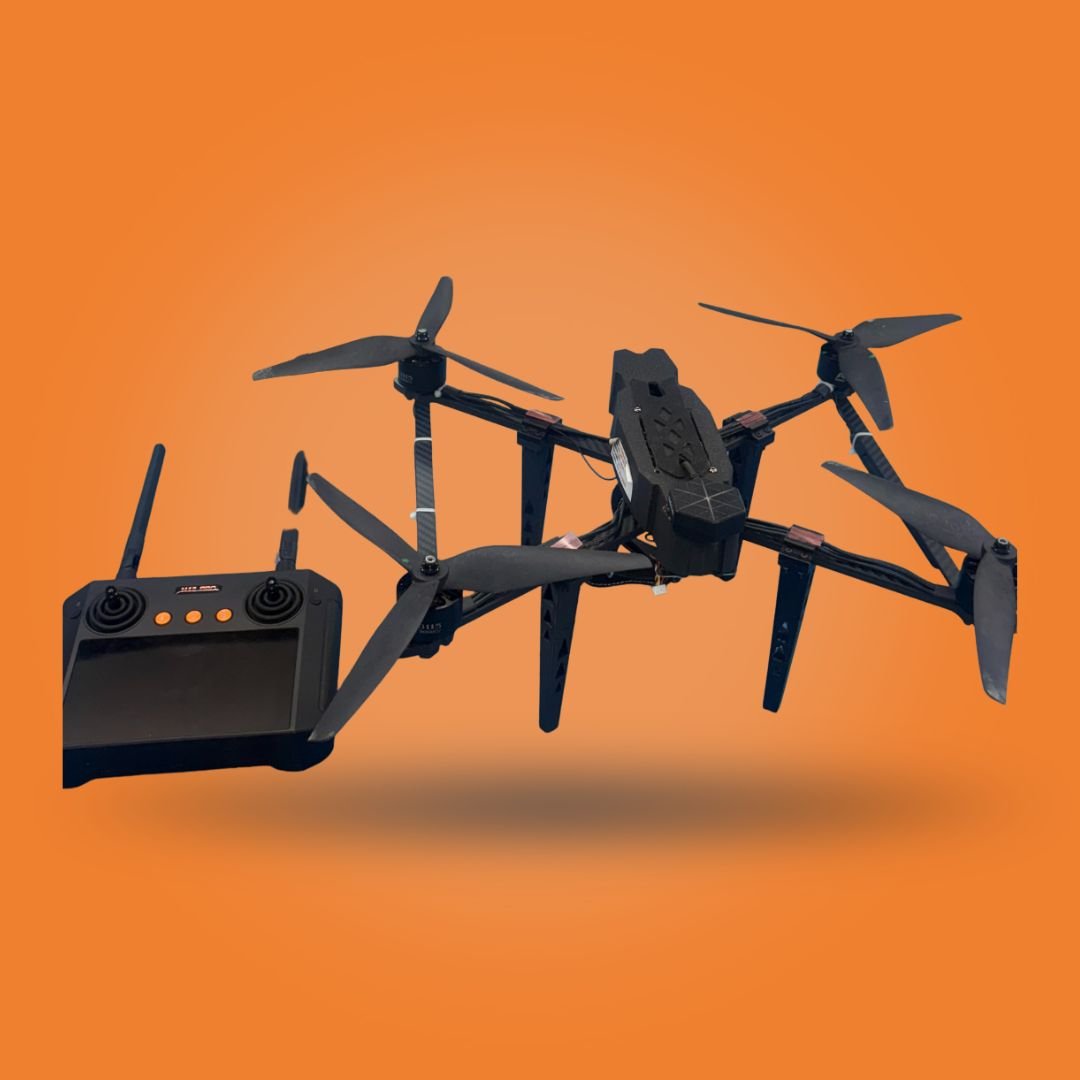
AeroDrone Robotics, a Gurugram-based drone technology company, has secured an Indian Army order for 225 seven-inch first-person-view (FPV) drones after a competitive evaluation that included field trials at altitudes of up to 17,500 feet, according to The Times of India. It is one of the clearest recent signals that the Army’s small-drone modernisation is moving from demonstrations to real contracts.
The trial that mattered
The procurement was processed on the Government e-Marketplace under the Department of Military Affairs: the GeM bid closed on 20 July 2026, and the result declared on 1 August listed AeroDrone Robotics as the lowest-priced (L1) bidder at approximately ₹1.97 crore for the 225 drones, per a detailed breakdown of the GeM record. The company’s listed parent, Innovision Ltd, disclosed the exact order value as ₹1,97,48,450.25 with a six-month execution period, the order having been granted on 26 September and received on 8 October 2026.
What separates this order from a routine catalogue purchase is how it was won. The company’s drones were assessed for endurance, accuracy, speed and overall battlefield performance through competitive evaluation and field trials reaching up to 17,500 feet, per The Week. That matters more than it sounds: at altitudes around 15,000 feet, air density is 40 to 50 per cent lower than at sea level, which robs small multirotor propellers of lift and thrust while batteries, flight stability and radio links all degrade in the cold. Indian troops routinely serve between 12,000 and 18,000 feet along the northern borders — including Siachen — so a small drone that actually flies well at altitude is a different machine from one that merely flies.
The company behind the drones
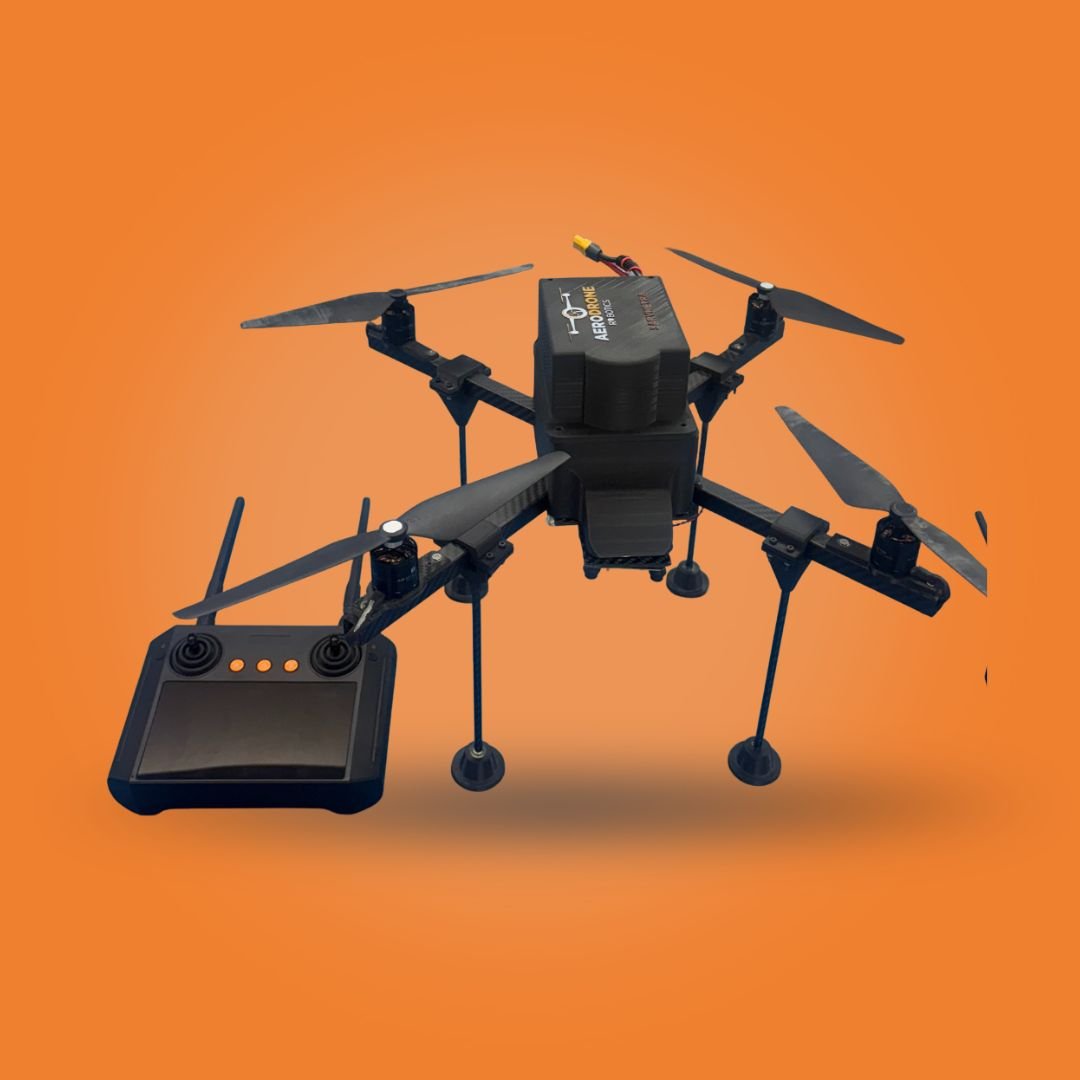
AeroDrone Robotics Pvt Ltd, headquartered at Udyog Vihar in Gurugram, is a subsidiary of the listed Innovision Ltd. According to the company’s profiles, Lt Col Randeep Hundal (a retired Army officer) is its chairman and managing director and Uday Pal Singh its CEO; the company was incorporated in March 2021. It is a DGCA-approved Remote Pilot Training Organisation, and its work spans four divisions: defence and industrial drone manufacturing, drone components, DGCA-approved pilot training, and drone-as-a-service operations, per the company’s official site, which lists flagship platforms including Vikraal, Sarvnetra, Kamikaze, AeroAbhyas and Vyomnetra.
The Week reports that the company describes its systems as military-hardened with software capabilities developed in-house — a claim that, if accurate, is operationally significant, since it gives the Army control over platform configuration rather than dependence on imported, locked-down flight stacks. Its integrated pitch — platforms plus operator training, assembly, maintenance and technical support — is exactly what a force trying to absorb new drone types at scale needs.