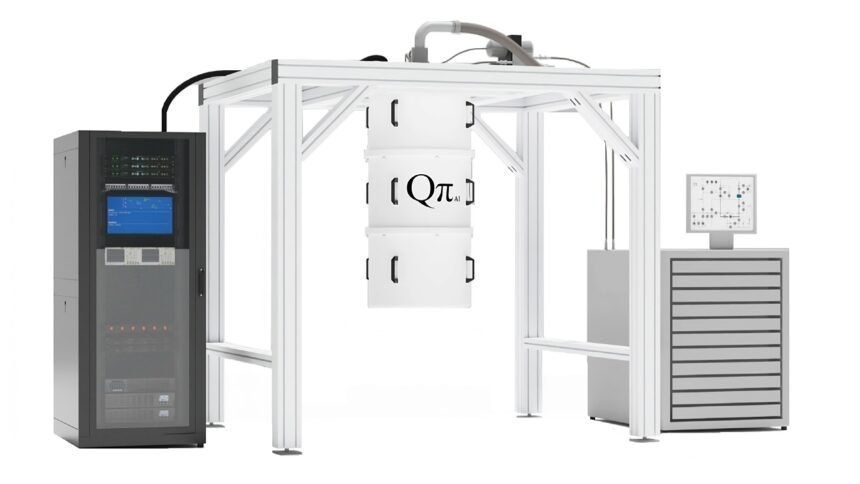
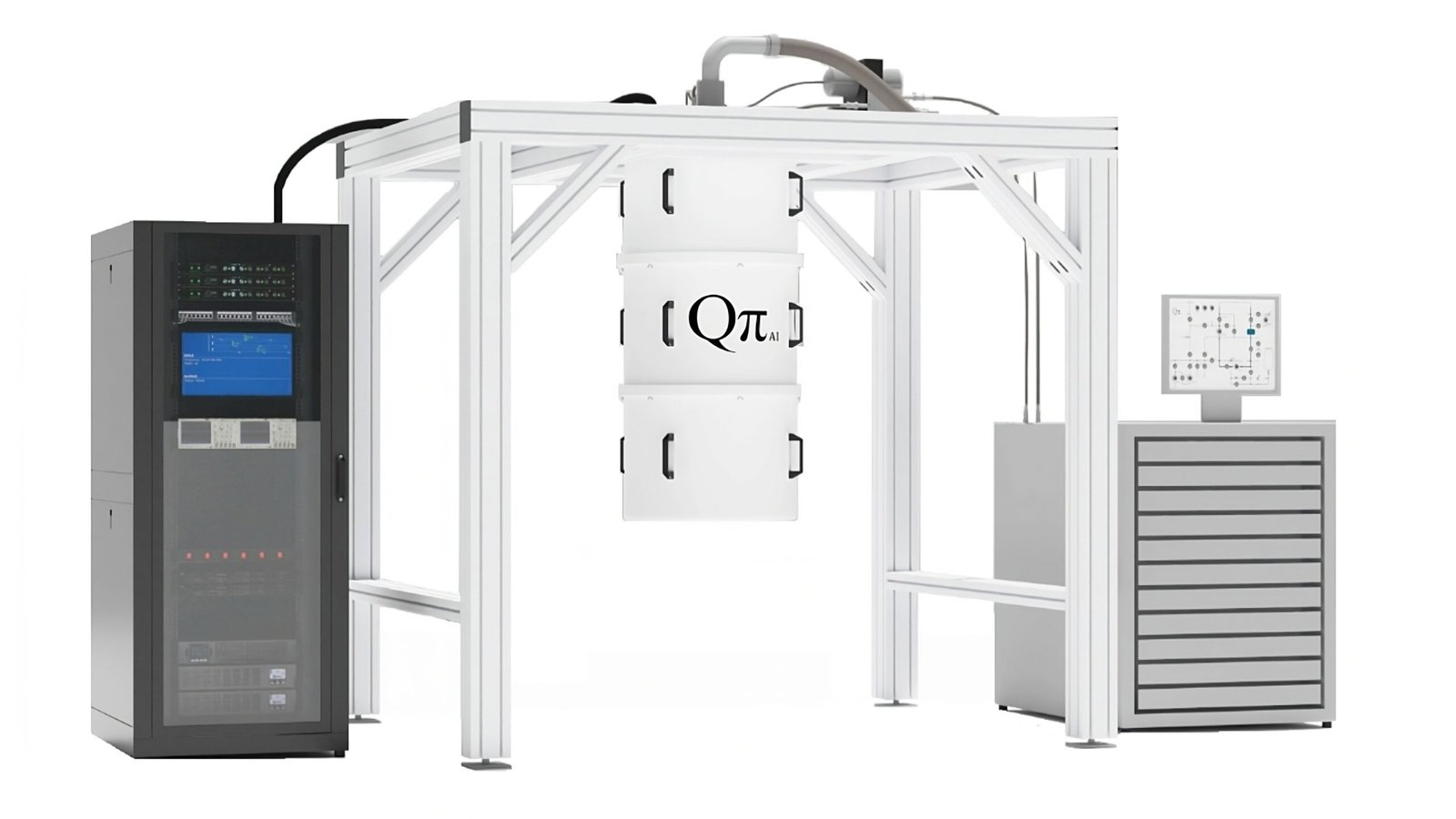
The hardest part of building a quantum computer in India is not the physics — it is the supply chain. Cryogenic refrigerators, microwave control electronics, vacuum systems and qubit fabrication each come from different countries, and the chips that actually do the computing were, until recently, never made here at all. A Bengaluru startup decided to stop waiting for someone else to build the stack. QpiAI, founded in 2019 by Nagendra Nagaraja, calls itself a full-stack quantum computing company — hardware, software and AI products under one roof — and in April 2025 it launched QpiAI-Indus, which the company describes as India’s first full-stack superconducting quantum computer, a 25-qubit system, per TechCrunch.
What the machines are
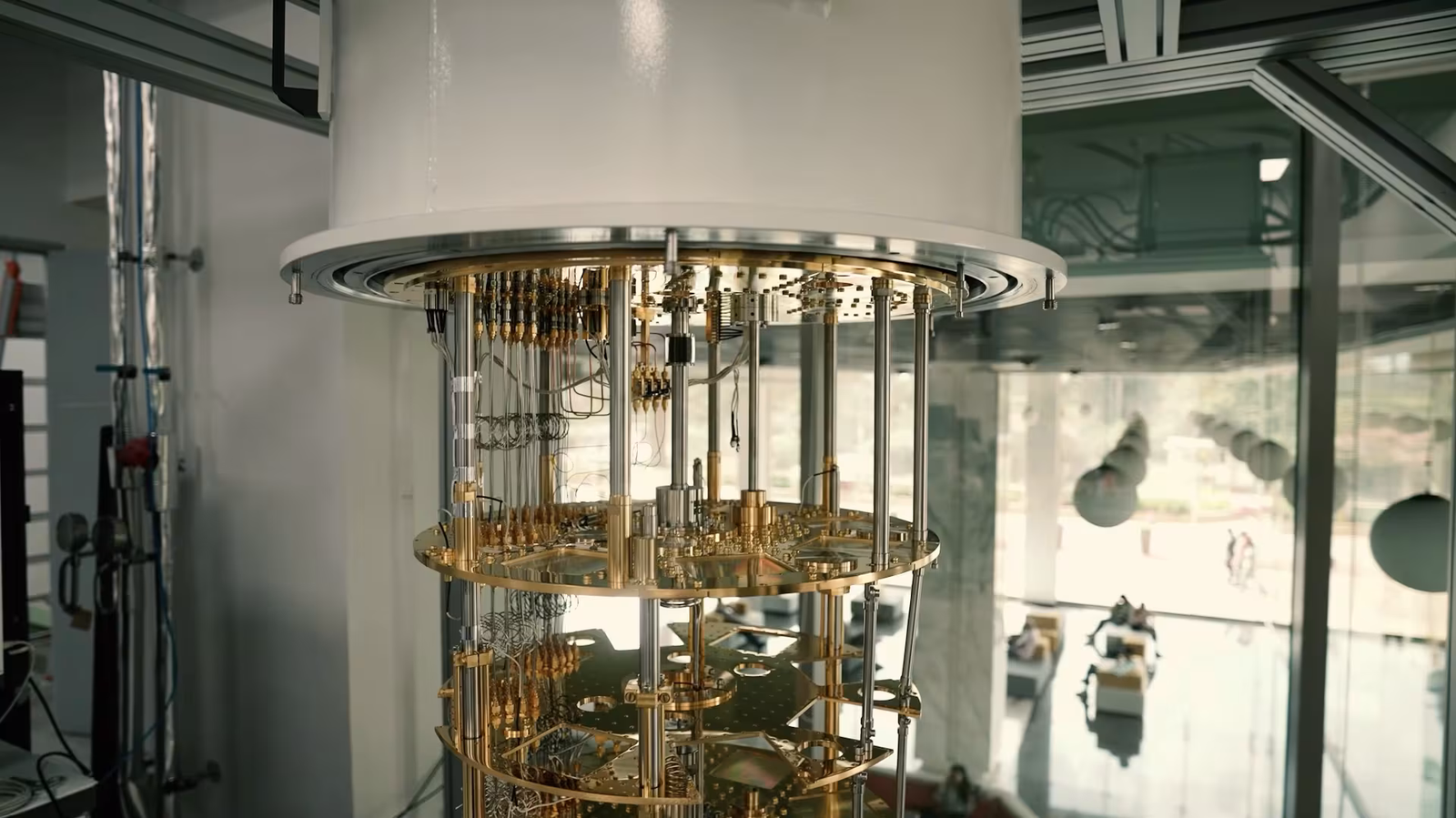
Indus is the Gen-1 system: a 25-qubit superconducting machine the company says is scalable to 300 qubits, built around long-coherence-time qubits with single and multi-QPU integration. But the roadmap did not stop there. In November 2025 the company unveiled Kaveri, a 64-qubit superconducting quantum processor chip, at the Emerging Science, Technology and Innovation Conclave in New Delhi — an event attended by Prime Minister Narendra Modi and Union Minister Dr. Jitendra Singh, per Tech Times. Kaveri uses the company’s proprietary flip-chip integrated technology, separating qubit and interconnect layers for wafer-scale fabrication and high qubit density, per the company’s own site. The processors that follow are named after Indian rivers and peaks: Ganges at 128 qubits, scaling toward an eventual 1,000-qubit Everest system.
The full stack, not just the chip
A quantum chip alone does not sell. QpiAI’s pitch is vertical integration: the QpiAI-Quantum developer platform with SDKs, compilers and simulators, QCaaS and a quantum cloud for hybrid quantum-classical workloads, plus industry products — QpiAI-Opt for optimisation, QpiAI-Logistics for route planning, QpiAI-Pharma for drug discovery and molecular modelling. The company says it has around 20 customers in India and the US, including the Indian government, which uses its infrastructure to test algorithms, per TechCrunch. A NASSCOM case study featured on the company’s site credits its quantum-AI stack with accelerating automotive design simulations by up to 96x while cutting compute needs 10x. And real hardware is leaving Bengaluru: the Karnataka government announced the installation of QpiAI-Indus at the Quantum Computing Centre of Excellence at IIIT-Dharwad and IIIT-Raichur in March 2026, the company’s second deployment in the state, per The Hindu BusinessLine.
Money, margins and a chip foundry
Quantum hardware is a capital-intensive game, and QpiAI has raised accordingly. It closed a $32 million Series A in July 2025 co-led by Avataar Ventures and the National Quantum Mission at a valuation of roughly Rs 2,050 crore — the first company backed through the mission’s startup programme, per StartupFox. Earlier this month it added a Rs 50 crore institutional debt line from InnoVen Capital at a 13.85% coupon, maturing December 2028. The company has said it is considering a public listing in 2026 or 2027 that would potentially make it Asia’s first listed quantum firm, and it reports profitability at EBITDA level for the past three years with roughly 60% gross margins, per TechCrunch and Tech Times. Perhaps the most concrete signal of intent: in August 2026 QpiAI opened its own quantum chip foundry in Bengaluru — lithography through assembly and packaging — after concluding that no existing foundry could make the devices it needs, with about $20–25 million invested so far.
More Read

Whether Kaveri’s commercial deployment, targeted for late 2026, keeps pace with the roadmap will be the real test. But the hardware milestones are physical, not promised: a deployed 25-qubit system, a fabricated 64-qubit processor, and a foundry that exists. In the race for quantum sovereignty, QpiAI is not arguing about the future — it is machining it.