Cleaning a manhole in India has long been one of the country’s most dangerous jobs. Workers descend into confined, toxic chambers filled with hazardous gases — and despite laws banning the practice, the deaths continue. A Rajya Sabha report recorded more than 300 such deaths between 2018 and 2023, a figure cited by The Better India. A Kerala startup decided the answer was not a better rope or a better mask, but a robot that never has to breathe.
Genrobotics, from Thiruvananthapuram, describes itself as an AI-driven robotics company designing and manufacturing robots for sanitation, healthcare, oil and gas, defence and aerospace. Its journey began with four engineers — Vimal Govind MK, Arun George, Nikhil NP and Rashid K — from MES College of Engineering in Kuttippuram, Kerala, who seeded the idea in 2015 while still students; the company itself was incorporated in 2017, per Forbes India. Their first mission was a single, hard problem: end manual scavenging.
The robot that ends manual scavenging
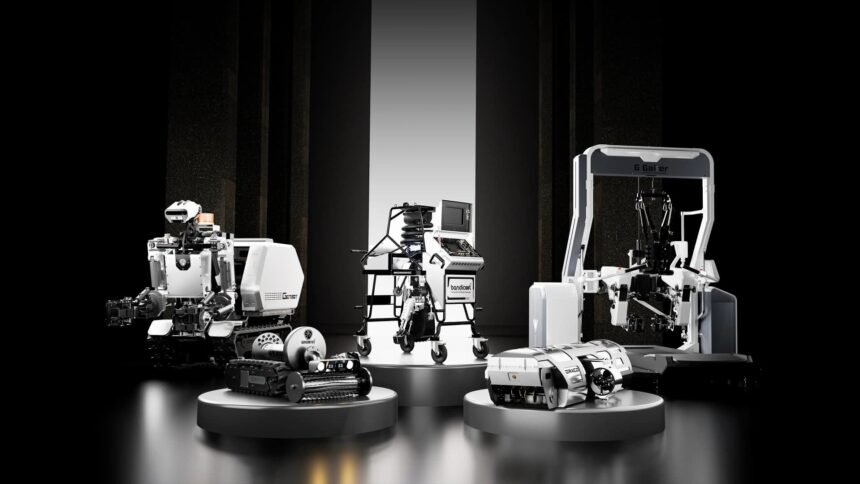
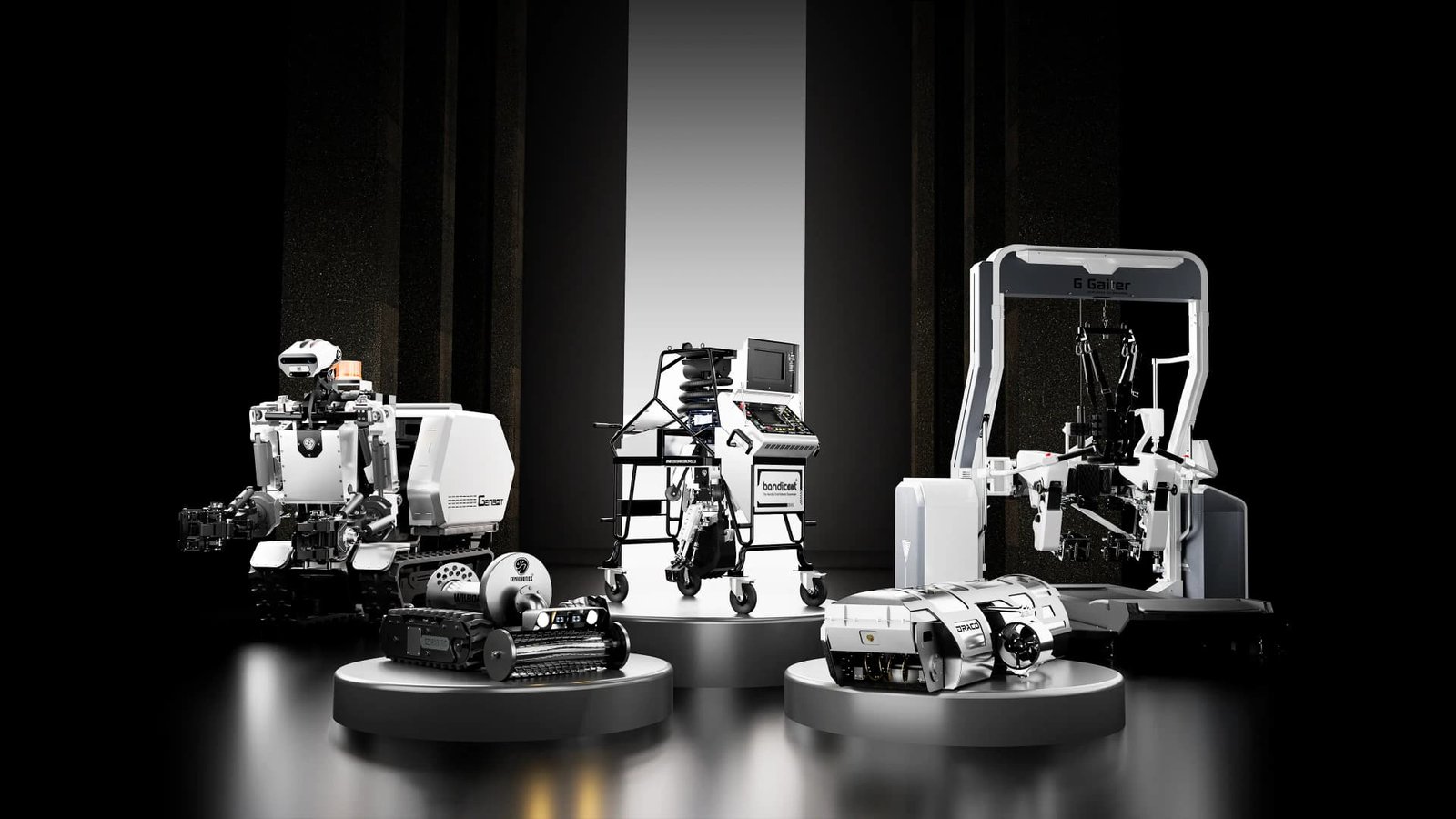
The result was Bandicoot, which Onmanorama described as the world’s first sewer-cleaning robot. The spider-shaped machine descends into the manhole while its operator stays safely above ground, using robotic arms, legs and 360-degree cameras to unclog and clean what used to require a human body. Built-in gas-sensing systems detect the hazardous gases that have killed so many workers inside manholes. The company’s tagline is that it turns manholes into “roboholes” — and the former manual scavengers themselves are retrained as robot operators, trading a lethal job for a dignified one.
The deployments back up the claim. Kerala Water Authority was the maiden client, and Genrobotics’ Bandicoot systems have since been deployed across 23 Indian states and more than 100 cities, per reporting from March 2026. The machine has been lauded by Prime Minister Modi, won the Swachhata Startup Challenge organised by the Ministry of Housing and Urban Affairs, and picked up the Infosys Foundation’s Aarohan Social Innovation Gold Award. Anand Mahindra, who invested in the company alongside Sridhar Vembu, Rajan Anandan, Unicorn India Ventures and Sea Fund, has called it his #MondayMotivation — evidence, in his framing, that purpose and profits can travel together.
Beating 600 rivals for Singapore
The strongest validation so far came from abroad. In March 2026, Genrobotics secured an infrastructure contract worth roughly ₹80 crore from PUB, Singapore’s National Water Agency, after outperforming more than 600 companies in a global evaluation. Under the agreement, the company will deploy about 44 robotic units over two years to inspect, clean and maintain Singapore’s underground water infrastructure — sewer wells, stormwater drains and industrial tanks. The contract was finalised after an 18-month international assessment of technological capability, reliability and operational performance in hazardous environments, OrissaPost reported.
One of the key technologies in the Singapore deployment is the Wilboar, a robotic rover built for confined and hazardous environments where human access is difficult or unsafe, fitted with advanced cameras and sensors that clean and inspect while streaming real-time data about underground infrastructure. The company has also won a ₹17-crore tender from the Ahmedabad Municipal Corporation to deploy its Bandicoot Mobility+ systems, and its CEO Vimal Govind MK has said expansion into South Africa and the UAE could help double revenue to ₹100 crore by FY27.
A robot that teaches people to walk again
Sanitation was only the first vertical. Genrobotics’ medical and mobility division built the G Gaiter, an AI-powered robotic gait trainer that helps patients with stroke, traumatic spinal cord injury, cerebral palsy and Parkinson’s recover their walking ability. The machine’s AI-generated natural gait pattern guides a patient through 900 to 1,000 steps in 20 to 45 minutes; Moneycontrol reported that with conventional gait training, achieving even 100 steps is difficult. The government’s IndiaAI portal records more than 2,500 sessions and 1.5 million robotic-assisted steps completed over a year.
The G Gaiter is deployed at KIMSHEALTH in Thiruvananthapuram and in Hyderabad’s stroke-rehabilitation centres, while its first public-sector installation — at the Noolpuzha family health centre in Wayanad, built under a ₹2.5-crore state allocation — offers the therapy free of cost to patients, including children and adults from neighbouring districts of Tamil Nadu and Karnataka.
From sewers to humanoids
The company’s own site now lists five divisions — sanitation tech, medical and mobility, oil and gas, defence, and robotics and AI research — and says it is investing in next-generation humanoid and semi-humanoid systems. It has signed a memorandum of understanding with the Territorial Army, and CEO Vimal Govind told the New Indian Express that semi-humanoid robots for the defence sector are on the roadmap: fast, heavy-lifting machines for automation, inventory movement and weapon handling. The company holds 14 patents, employs about 300 people, and runs two manufacturing facilities — a 10,000-square-metre R&D centre in Thiruvananthapuram and a 50,000-square-metre plant at Kanjikode in Palakkad capable of producing around 100 robots.
What’s next
The New Indian Express reported in March 2026 that Genrobotics made ₹32 crore in revenue in FY25 and expects around 30% growth this year, with an IPO targeted for FY28 or FY29 and an ambition to become a ₹500-crore organisation. Those are company-stated goals, and the Singapore contract is the first real proof that the technology can win head-to-head against the world’s best. But the arc is what makes this one exceptional: a student project from Kerala that started with the ugliest job in India now sells robots to Singapore’s water authority, teaches stroke patients to walk, and is prototyping humanoids. Few Indian hardware startups can point to a trajectory that steep.
Sources: Forbes India, Onmanorama, New Indian Express, OrissaPost, Firstpost, Moneycontrol, IndiaAI.gov.in, NDTV, Newsbytes, and company statements on the Genrobotics website (genrobotics.com).