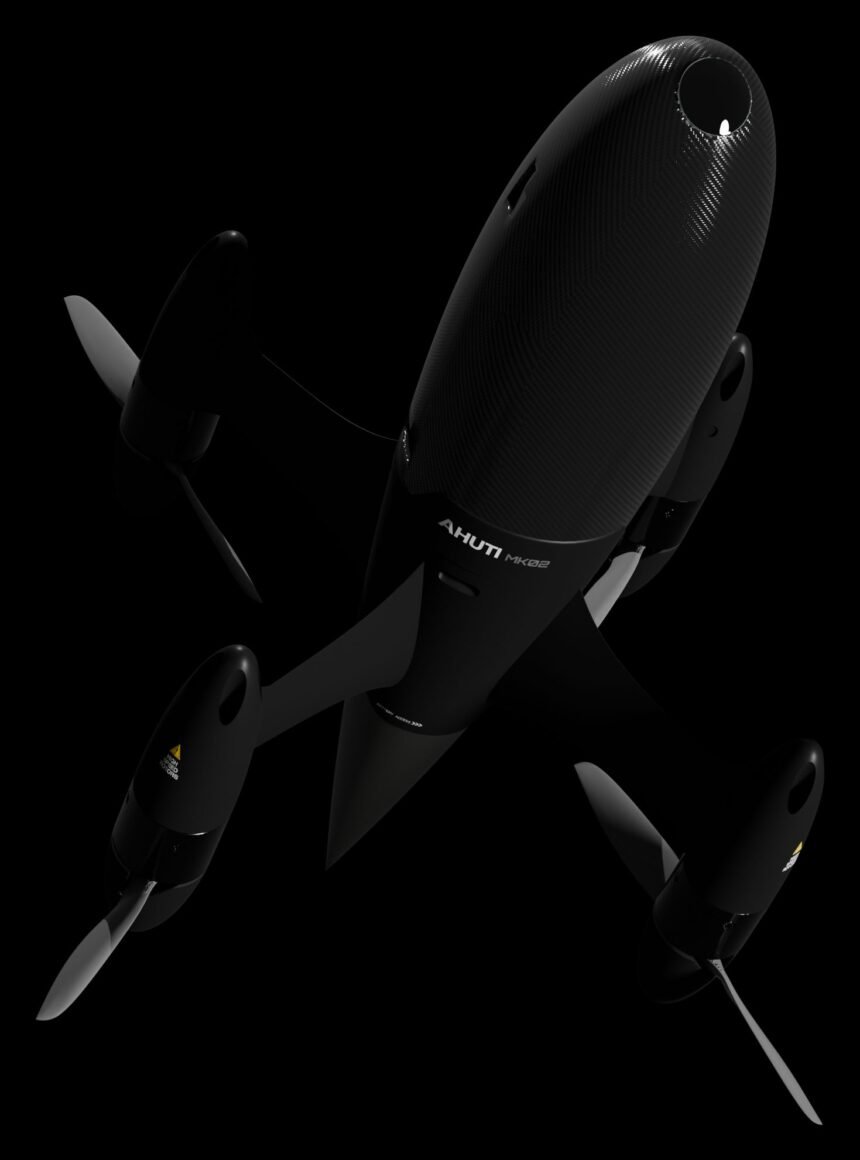
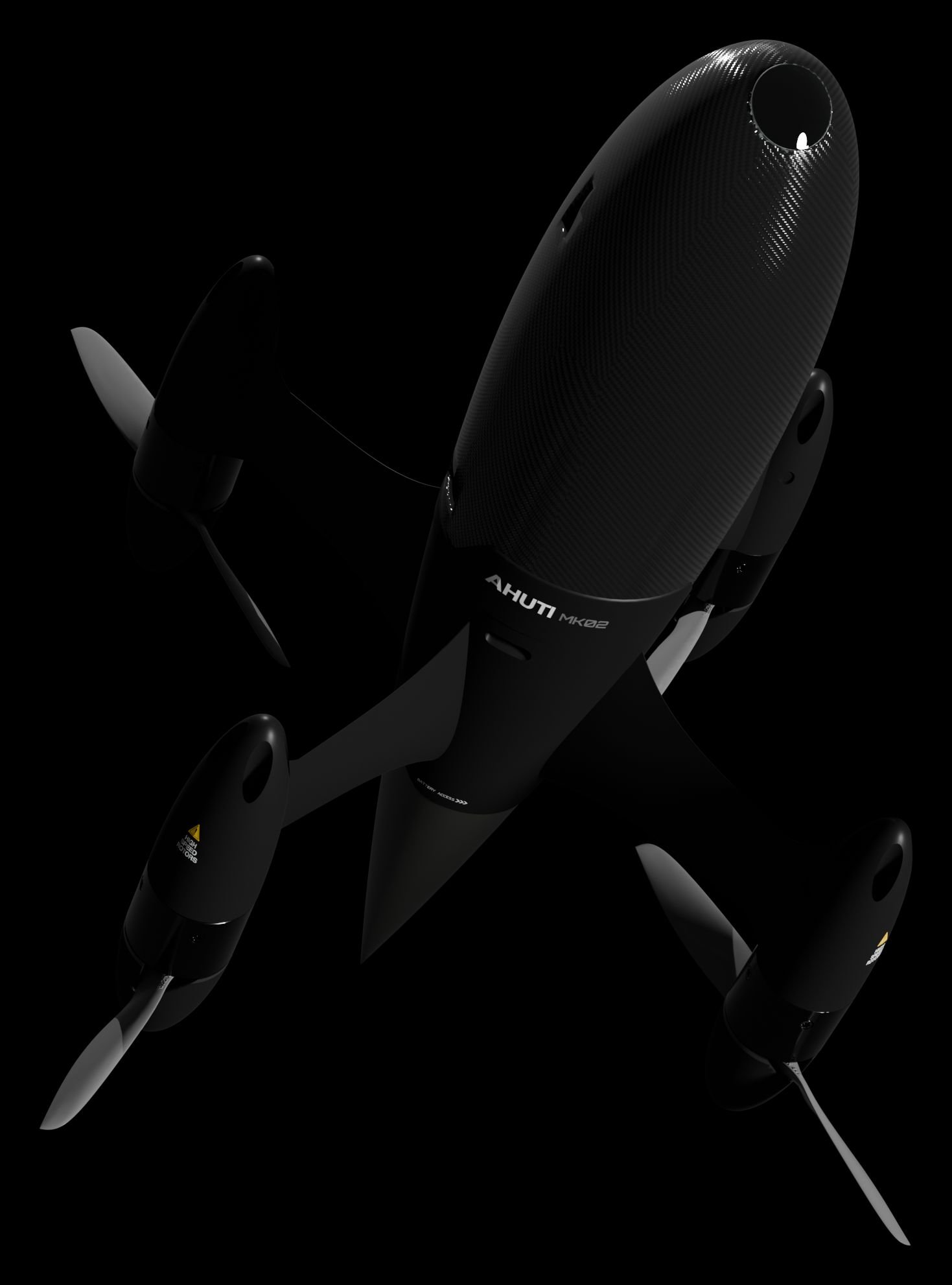
Most multirotor drones are built to hover. This one is built to hunt. In September 2026, Hyderabad defence startup Apollyon Dynamics announced that its Ahuti Mk II interceptor had recorded a certified top speed of 498 km/h — a figure recognised by the India Book of Records as the fastest multirotor UAV ever recorded in India.
The company behind it was founded in 2025 by two BITS Pilani Hyderabad students, Jayant Khatri and Sourya Choudhary, and is incubated at the institute’s Hyderabad campus. The two began by building kamikaze drones — high-speed unmanned aircraft capable of flying over 300 km/h — which the company supplied to Indian Army units within months of starting, according to the company and independent coverage. Their operating philosophy, carried on the company website, is “Precision is mercy”: removing humans as the first point of contact in a fight.
From 300 to 498 in under a year
The leap from the original Ahuti to the Mk II took less than a year and, according to co-founder Khatri, about ten full iterations of the airframe, propulsion system and motor configuration. Rather than modifying the earlier design, the team rebuilt the aircraft around a single requirement: closing the distance on an incoming threat as fast as possible. The electric interceptor draws a burst current of 400 amperes — what Khatri credits for the speed — and the 498 km/h figure is about 66 per cent faster than the original Ahuti’s roughly 300 km/h in 2025, and well past the 325 km/h the company cites as the previous Indian multirotor benchmark.
The design is a response to how wars are now fought. Cheap, mass-deployed loitering munitions — Shahed-class systems, for example — are a defence problem that cannot be solved with expensive, one-to-one interceptors. Apollyon’s answer is to make counter-drone capability cheap: the company judges its systems by an internal metric it calls “strike envelope per rupee”, measuring the capability delivered for a given cost. Its systems have been tested at military firing and operational ranges, including Babina and Gopalpur, and Khatri credits the Indian Army’s cooperation for enabling those trials.
The strike programme: Nightshade ADX-1
Ahuti is the defensive half of the portfolio. The offensive half is Nightshade ADX-1, an autonomous, terrain-following strike platform the company has been developing through 2026. In August 2026 the company confirmed initial test launches of the ADX-1 from a vehicle-mounted platform under controlled conditions — a step toward mobile, dispersed deployment rather than fixed-base launches. The company states a target strike velocity of up to 700 km/h for the Nightshade family, which should be read as a design target rather than a demonstrated figure. In early October the startup showcased Ahuti Mk II to Defence Minister Rajnath Singh at DEFCON 2026, and Apollyon was named to YourStory’s Tech30 2026 cohort of India’s most promising deeptech startups.
What the record does and doesn’t prove
A certified top speed is a real engineering benchmark, but it is not the same as a demonstrated interception under operational conditions — how the aircraft handles targeting, navigation and terminal engagement is a separate question that only further testing can answer. Nightshade is likewise still a development programme, not a deployed system. But the trajectory is remarkable: a hostel-room racing-drone project, founded in 2025, fielding systems with the Army within its first year and setting a national speed record in its second. The company now talks of building a power cruise-missile platform by 2030. Whether that arrives or not, Apollyon has already demonstrated the one thing the counter-drone problem needs most — speed.