Every satellite carries an expiry date, and it is rarely the hardware that fails first — it is the fuel gauge. A perfectly healthy spacecraft becomes very expensive debris the moment its propellant runs out. An Indian startup founded in 2021 has spent the last five years betting the fix is as simple as the one on every Indian highway: refuel it instead of replacing it. OrbitAID Aerospace builds on-orbit refuelling technology, and this week founder and CEO Sakthikumar R confirmed the next milestone to IndiaToday: a 30 kg satellite called AayulSAT-1A will fly on ISRO’s SSLV this November to test docking, internal refuelling and inspection capabilities in orbit.
What AayulSAT-1A is
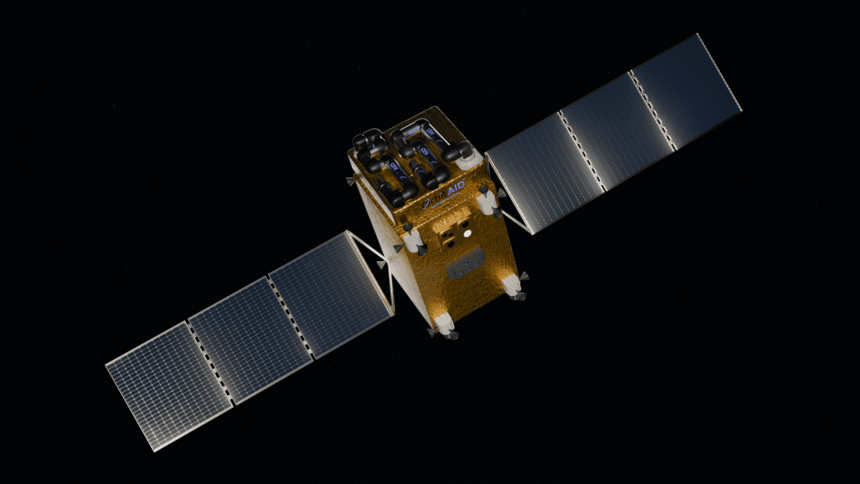
AayulSAT-1A is the comeback flight of OrbitAID’s tanker-satellite programme. The company says the satellite is ready, final tests will be conducted next week, and it then ships to Sriharikota for launch preparations. The mission carries two satellite busses, two tanks and the interfaces and mechanisms needed for the experiments — through it, OrbitAID hopes to validate its docking and refuelling mechanisms in space. “AayulSAT-1A is our next step toward building a fuel station in space,” Sakthikumar said, in comments reported by NewsBytes from the IndiaToday interview.
Why it matters: the dead-satellite problem
Propellant exhaustion is the single most common reason a functioning satellite dies young. Refuelling it in orbit extends mission life, avoids a costly replacement launch, and keeps dead mass out of already-crowded orbits — which is why OrbitAID describes its tanker satellites as serving life extension, debris reduction and long-duration commercial and human spaceflight. The company also positions the mission as directly advancing India’s Debris-Free Space Mission 2030 — and as the foundation of an on-orbit economy in which satellites are serviced, refuelled and sustained rather than discarded.
SIDRP: the socket that makes refuelling possible
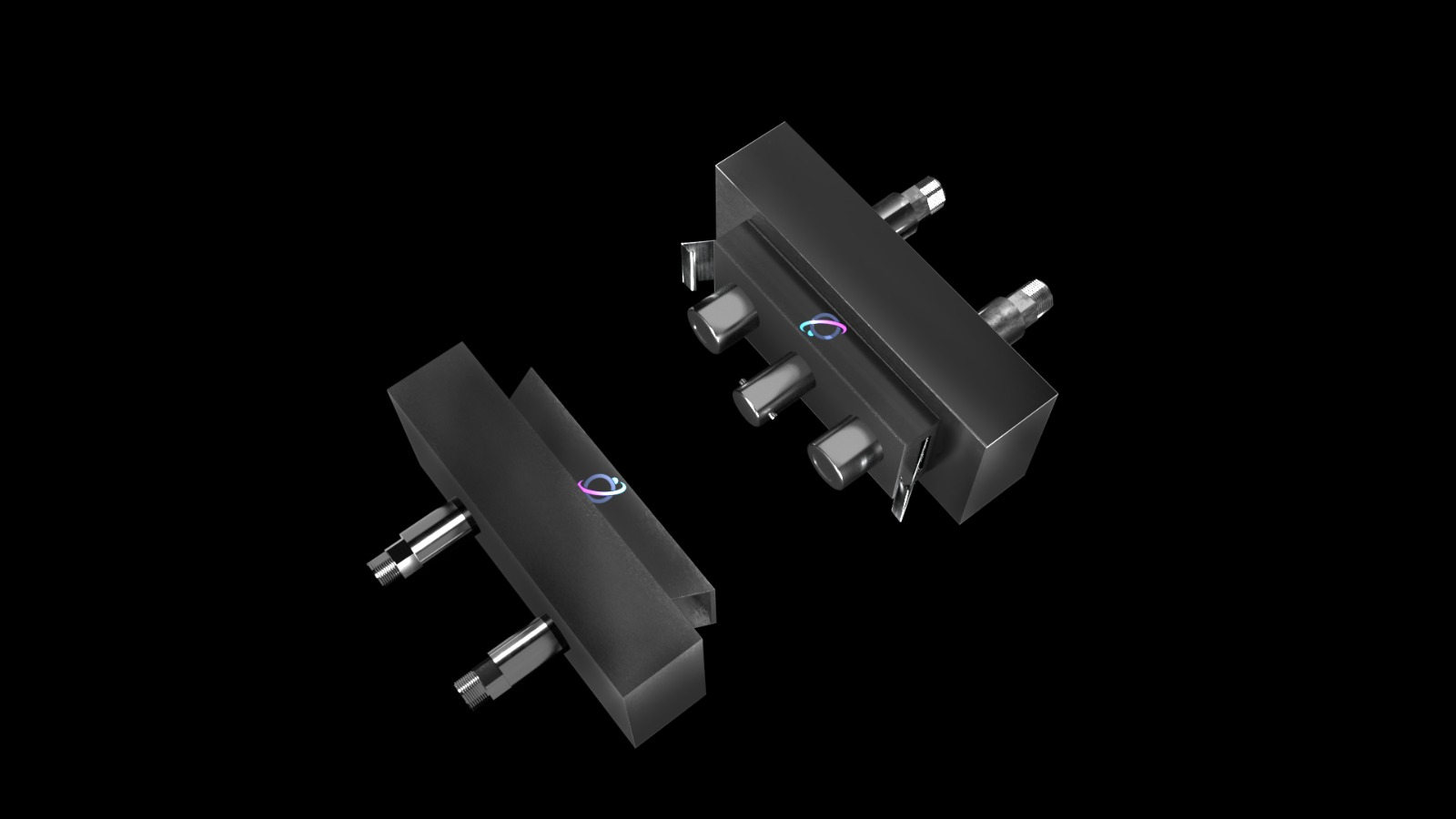
The centrepiece of OrbitAID’s technology is SIDRP — the Standard Interface for Docking and Refuelling Port — a patented docking interface the company wants to turn into the standard “socket” on which an in-orbit refuelling ecosystem runs. The port has already been validated off-Earth: the company’s Zero-G1 mission in November 2024 — billed by the company as India’s first zero-gravity mission for rendezvous and propellant transfer — demonstrated docking and fluid transfer under microgravity conditions, and Zero-G2 in May 2025 validated autonomous docking and fluid-transfer mechanisms with a focus on fluid-slosh dynamics. The January 2026 AayulSAT mission, the company said, would have been India’s first commercial docking-and-refuelling interface deployed in orbit.
The team behind the tanker
OrbitAID was founded in 2021 by IISc alumni Sakthikumar R, Nikhil Balasubramanian and Mano Balaji K. In January 2025 the company raised a $1.5 million pre-seed round led by Unicorn India Ventures, with participation from the Tamil Nadu Startup and Innovation Mission, with the funds earmarked for the in-space docking-and-refuelling demonstration and advancing SIDRP to commercial readiness, per The Economic Times.
The hard part is still ahead
OrbitAID is candid that this is a second attempt: the founder confirmed to IndiaToday that the earlier AayulSAT mission never reached its demonstration stage because of a launch anomaly — AayulSAT-1A is the rerun. Beyond November, the company is planning an advanced mission in Q1 2027 with two satellites, a chaser and a target, to demonstrate rendezvous and proximity operations, docking and refuelling — the full ship-to-ship loop. The milestones to watch: final tests next week, the November SSLV flight from Sriharikota, and whether the Q1 2027 mission turns internal transfer into an actual in-orbit refuelling of one satellite by another.