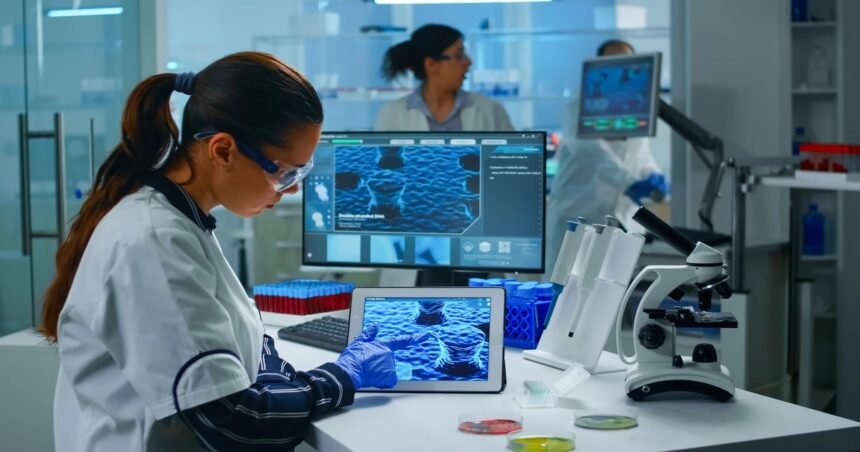
For a patient with a serious infection, the most dangerous thing in the hospital is often not the disease itself — it is the wait. For decades, identifying a resistant infection meant growing bacteria in a lab culture, a process that takes 48 to 72 hours. In that window, doctors must often guess, prescribing broad-spectrum antibiotics while the real culprit stays unnamed. Bengaluru-based BioCipher Labs has built its whole company around closing that gap — reading the pathogen’s own genetic signature and letting artificial intelligence turn it into an answer in hours, not days.
BioCipher Labs, founded in 2023, specialises in AI-powered molecular diagnostics for infectious disease. Its platform combines multiplex PCR, RT-PCR, next-generation sequencing and CRISPR-based techniques to detect pathogens directly from clinical samples, the company says — no waiting for organisms to grow, no second-guessing from a blurry culture plate.
Reading the signature, not growing the germ
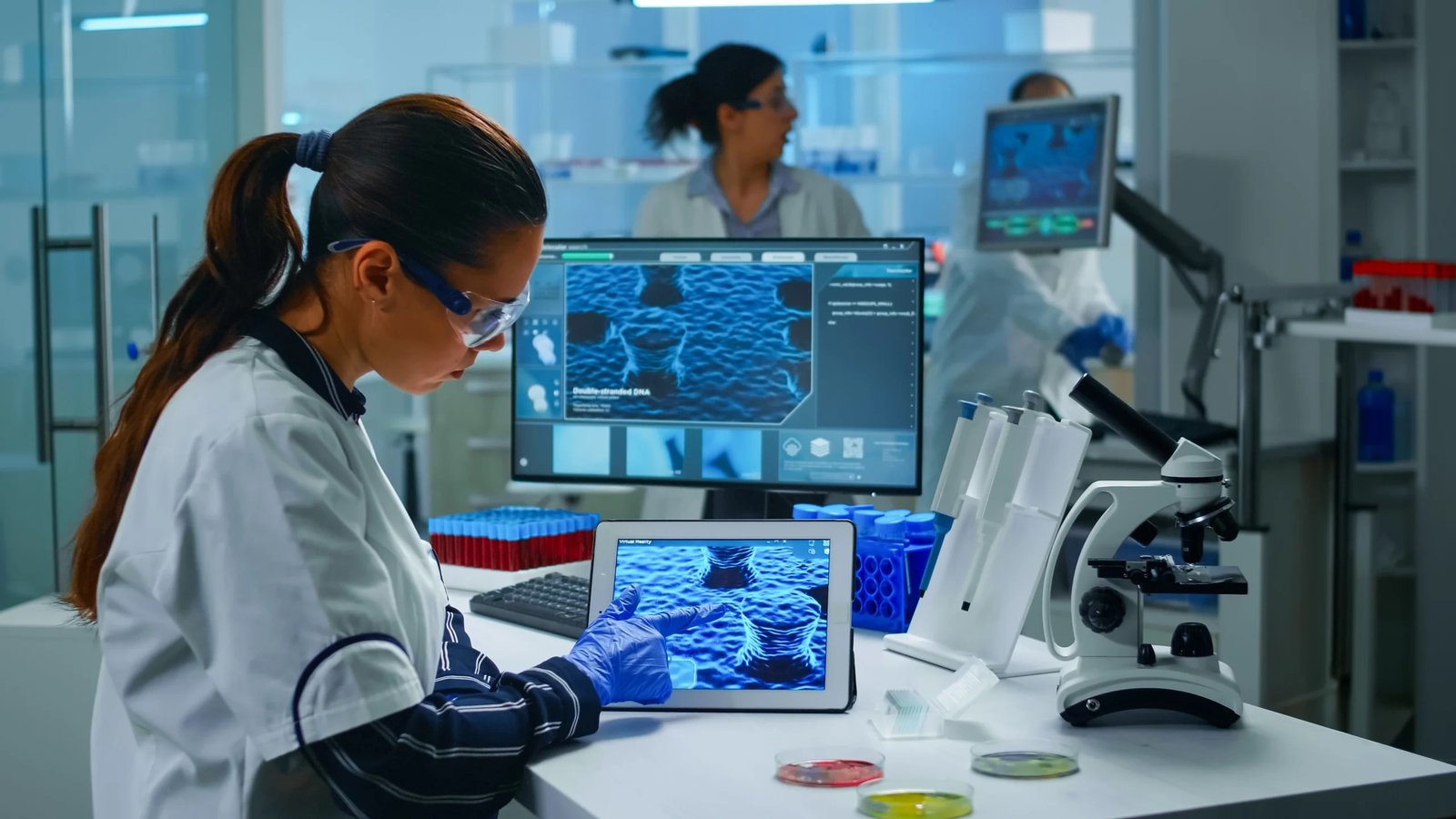
The core idea is elegantly simple. Conventional cultures need living, replicating bacteria before they can say anything. Molecular assays work differently: they hunt for pathogen-specific DNA and RNA signatures straight from the sample. That means the test can identify the organism even when cultures come back negative — a common frustration in recurrent infections, where bacteria hide in biofilms or linger in forms that refuse to grow in the lab, the company explains.
BioCipher’s multiplex PCR platform takes that principle further. A single assay can screen for many pathogens at once, with high sensitivity and specificity, and — crucially — with built-in reflex testing for antimicrobial resistance markers. Instead of only naming the bacterium, the test can flag the resistance genes it carries, such as mecA and carbapenemase genes, so clinicians can anticipate which antibiotics will fail before the first dose is chosen.
AI that turns genomes into decisions
Molecular data is dense, and that is where the company’s AI layer comes in. BioCipher’s algorithms analyse microbial genomics data in real time, the company says — spotting subtle patterns that correlate with drug resistance, automating assay interpretation, and returning actionable insights while the clinical window is still open. The promise is practical, not abstract: the right antibiotic the first time, earlier de-escalation from broad-spectrum drugs, and a live picture of resistance spreading through hospitals and communities.
The stakes behind that promise are enormous. The company points to a landmark Lancet study finding that 1.27 million deaths in 2019 were directly attributable to antimicrobial resistance — and that 73% of those deaths were caused by just six bacterial pathogens, the so-called “Big Six”: E. coli, Staphylococcus aureus, Klebsiella pneumoniae, Streptococcus pneumoniae, Acinetobacter baumannii and Pseudomonas aeruginosa. When the enemy is that concentrated, faster identification is not a convenience; it is the intervention.
More Read

Panels across the whole hospital
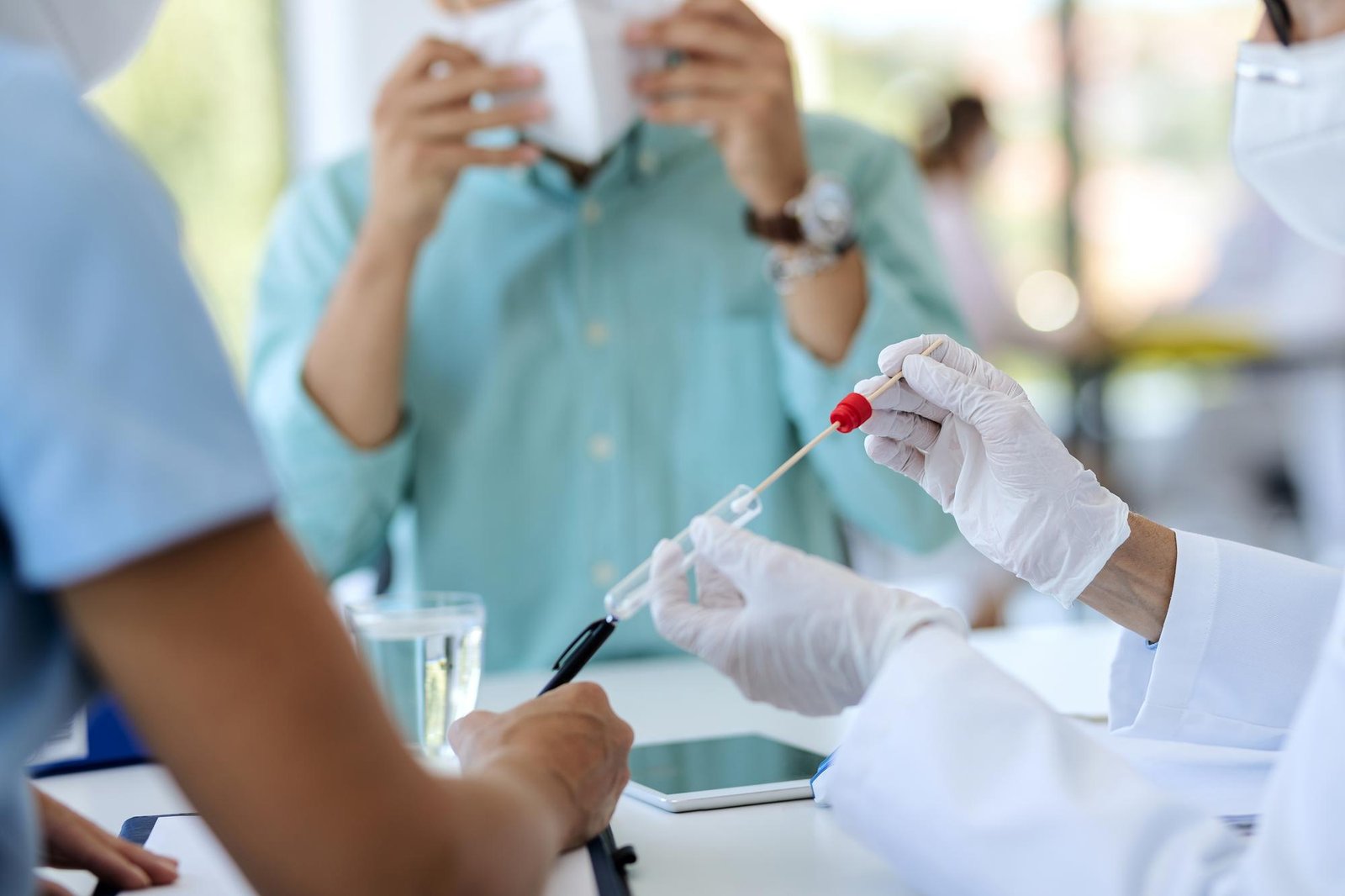
BioCipher’s catalogue spans the wards where infections hit hardest: critical-care infections, an AMR panel, transplant panels, and specialty panels covering pulmonology, nephrology and urology, oncology, neurology, neonatology, reproductive health and more. Its cervical-cancer screening panels use real-time PCR to detect 14 high-risk HPV genotypes — including HPV 16 and 18, the primary causes of cervical cancer — with a comprehensive panel covering 28 genotypes for broader risk assessment.
The breadth matters because infectious disease is rarely a single-department problem. A transplant recipient, a newborn in intensive care and a patient with a recurring urinary infection all need the same thing: a precise answer, fast, from one sample. BioCipher’s bet is that multiplex molecular testing, read by AI, can give every one of them that answer on the same platform.
From Bengaluru to Israel’s innovation ecosystem
That bet has already earned international attention. In 2026, BioCipher Labs was named one of three winners of HealthSprint 2026, a joint initiative of the Consulate General of Israel in Bengaluru and Bengaluru-based accelerator GINSERV, chosen from 175 applications with 15 startups shortlisted for final pitches. The prize is a fully funded week-long immersion in Israel’s healthcare innovation ecosystem — a launchpad for clinical validation, partnerships and global expansion.
For Indian diagnostics, the recognition lands at a telling moment. India has world-class clinical talent and a vast infectious-disease burden, yet much of its advanced testing still leans on imported platforms and slow, centralised workflows. BioCipher is building the alternative at home: Indian molecular biology, Indian AI, and results fast enough to change what a doctor prescribes on the same day the sample is taken.
The war against drug-resistant infections will not be won by a single test. But every hour shaved off a diagnosis is an hour a patient is not on the wrong antibiotic — and an hour resistance does not get to spread. BioCipher Labs is making those hours count, one decoded genome at a time.
Keep reading: A Robot That Fits a 2×2-Foot Corner: Inside Articulus Surgical’s Pulsar · The Robot That Teaches Patients to Move Again: Inside Rymo Technologies’ Mobi-L · More Chemicals, Materials & Life Sciences stories
Like stories like this? Add Exceptional Technology as a preferred source on Google to see more of our reporting in your search results and Discover feed.