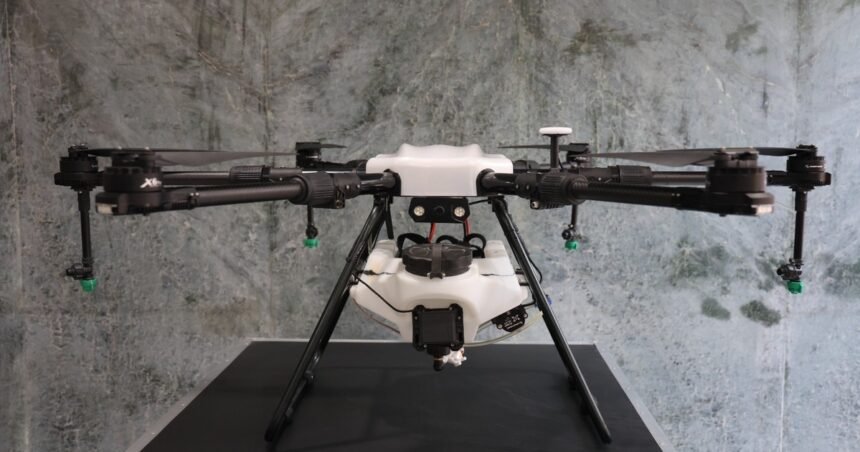
For generations, spraying a field in India has meant a worker walking the rows with a tank on his back, breathing in the mist he is paid to spread. Kothari Industrial Corporation, the Chennai company best known for fertilisers and plantations, has spent the last few years building a machine to change that picture — and in October 2026, India’s aviation regulator gave it the formal all-clear.
The company’s KOAIR-10L agricultural drone has received a Type Certificate from the Directorate General of Civil Aviation (DGCA), the company announced to the Bombay Stock Exchange on 9 October 2026. The certificate clears the way for commercial manufacturing, sale and deployment of the drone across India.
A certificate that unlocks the market
A DGCA Type Certificate is the key regulatory approval for any drone model sold in India. It certifies that the design meets the safety and operational requirements laid out under the Drone Rules, 2021, after technical evaluation by an authorised certification body — in this case, TQ Cert Services. The KOAIR-10L’s certificate, numbered T09260000127/00, was issued on 9 October 2026.
With it, Kothari can now manufacture, sell and deploy the drone commercially, with each unit accompanied by a certificate of conformity. For farmers, that matters: a certified, made-in-India spraying drone they can buy through regular channels, backed by a company with a service network across southern India.
Built for the field
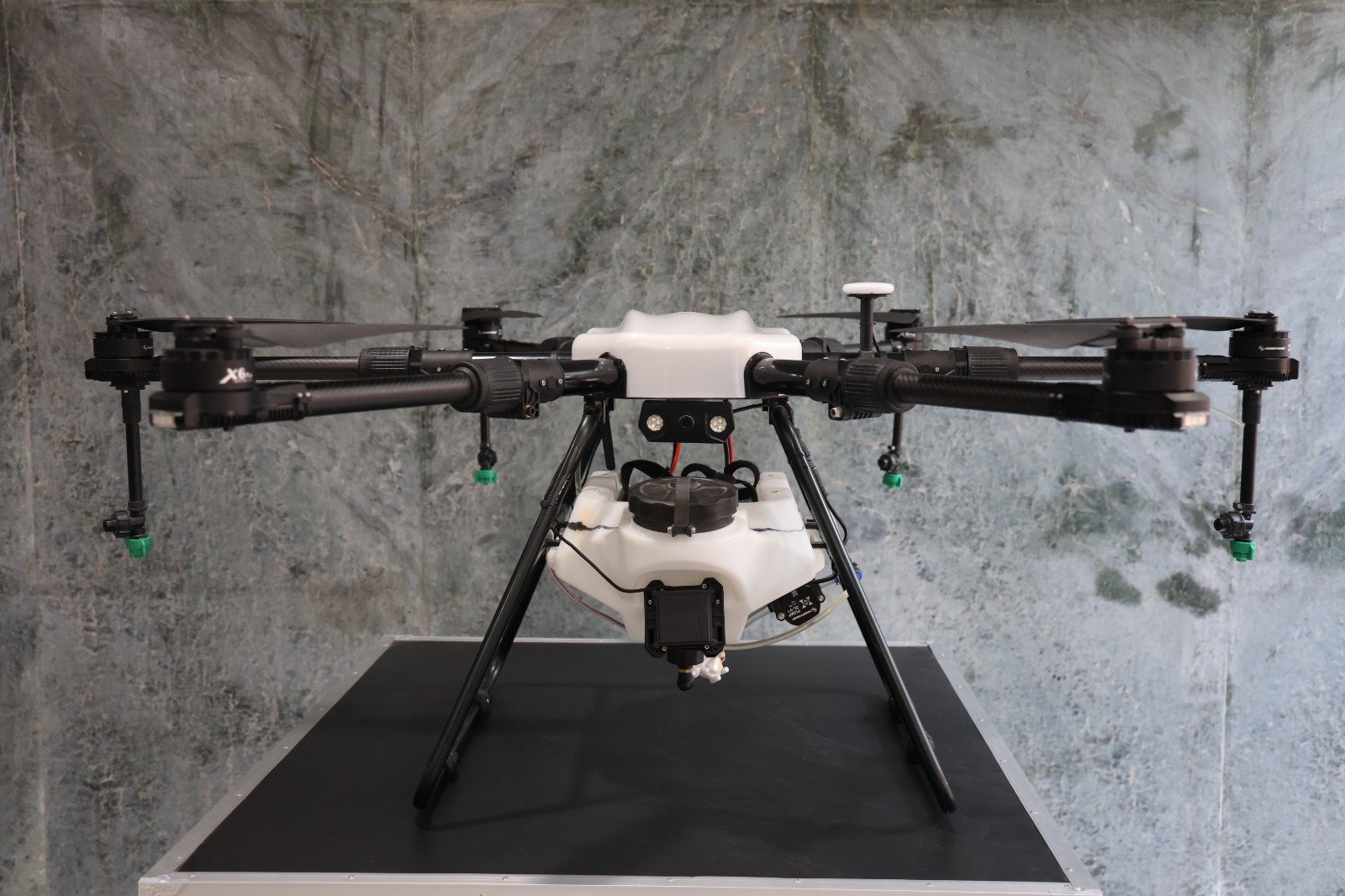
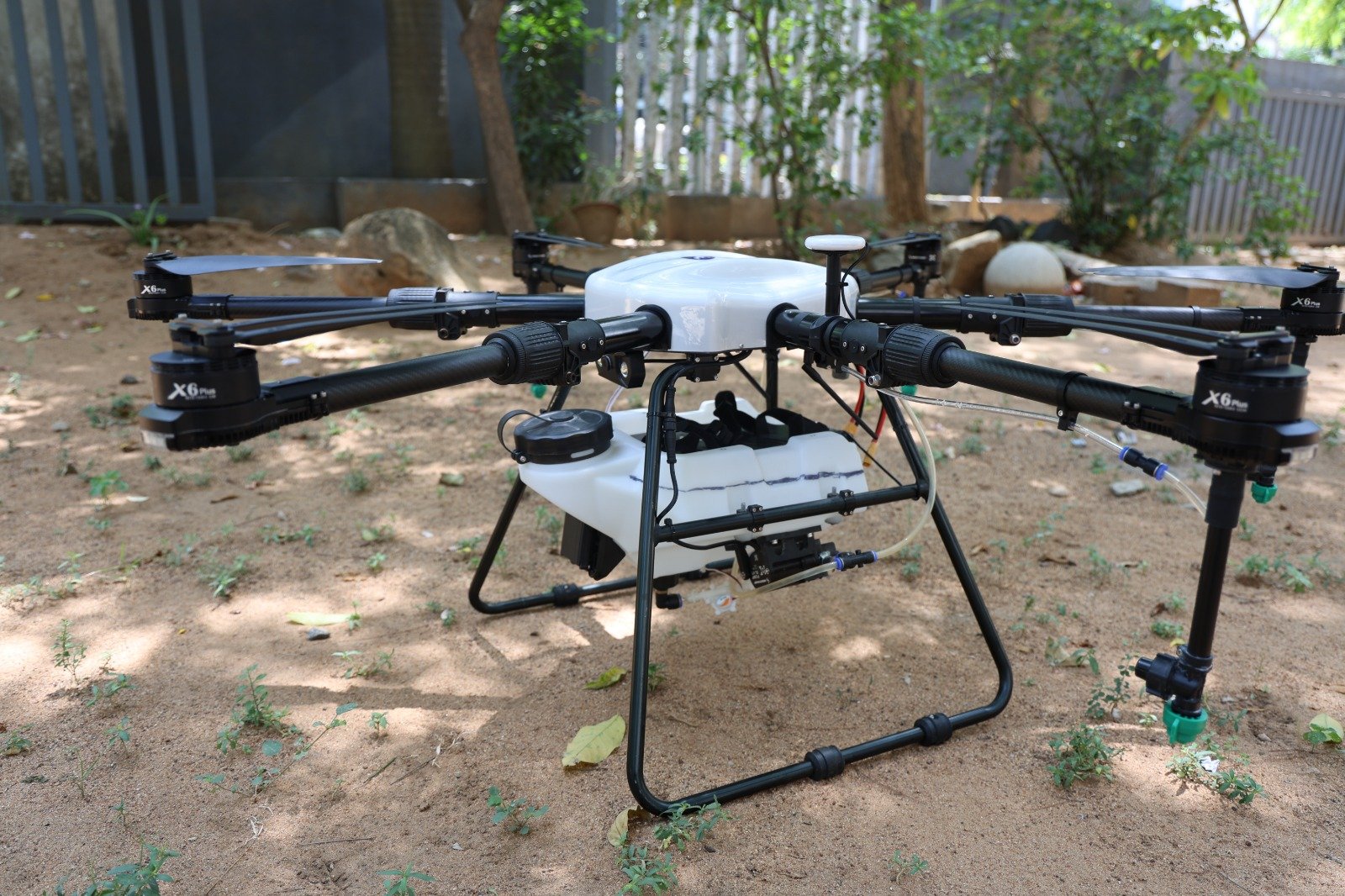
The KOAIR-10L is a medium-class hexacopter — six rotors carrying a 10-litre tank — designed specifically for spraying pesticides, fertilisers and plant nutrients. Flat-fan nozzles spread the spray evenly across the crop, the company says, giving uniform coverage that a hand sprayer struggles to match.
Drone spraying keeps the operator out of the chemical mist, covers ground far faster than manual labour, and puts exactly the dose the crop needs where it is needed. “We ventured into agri-drone technology with the concept of giving back to society, especially to the farming fraternity,” says Jinnah Rafiq Ahmed, Executive Chairman of Kothari Industrial Corporation. “We felt it would be the need of the hour — to make farming smarter and safer, cost-effective, a lifesaver for farmers, and a driver of the nation’s progress.”
More Read

A drone division with a bigger plan
The KOAIR-10L is not a one-off experiment. Kothari set up a dedicated drone division in 2023, with plans to invest over ₹150 crore in it over the coming years, and has already flown spraying fleets dispensing nano-urea over farmland in Tamil Nadu. Alongside manufacturing, the company has also secured authorisation to operate a Remote Pilot Training Organisation — training the pilots who will fly these machines, not just building them.
The drone work sits naturally alongside the rest of the company. Kothari’s fertiliser and agri-inputs business already reaches farmers through a distributor network across the southern states, and its drone and geospatial division offers LiDAR surveys, photogrammetry and GIS mapping — the same aerial skills, applied to fields, mines, ports and waterways.
The company behind the drone
Kothari Industrial Corporation is the flagship company of the D.C. Kothari group, incorporated in 1970 as Kothari (Madras) Limited and headquartered in Chennai. A diversified company spanning fertilisers, plantations, textiles, hotels and footwear, it has spent five decades building brands farmers and households recognise — and the KOAIR-10L is its bet that the next chapter of Indian farming will be flown, not walked.
For a country where agriculture still employs nearly half the workforce, a certified, homegrown spraying drone is a quiet but real step forward: safer work for the sprayer, sharper application for the crop, and one more piece of farm technology designed and built in India.
Keep reading: The Ponds That Breathe on Their Own: Inside Bariflo, the Odisha Startup Giving Fish Farms a Nervous System · No Ladder, No Rope: Inside Cocobot, the Kerala Robot Climbing 20-Metre Palms to Pick Coconuts · More Food Processing & Agri-Tech stories
Like stories like this? Add Exceptional Technology as a preferred source on Google to see more of our reporting in your search results and Discover feed.