For years, the most important part of an Indian electric scooter was the one part India did not make: the battery cell. Cells arrived from overseas, were packed into battery packs here, and bolted into scooters. Ola Electric has spent years working to change that equation — designing and manufacturing its own lithium-ion cell, the 4680 Bharat Cell, at its gigafactory in Krishnagiri, Tamil Nadu. The company says it is now the first company in India to fully own both the cell and the battery pack manufacturing process in-house, and its Bharat Cell-powered scooters are now rolling out across the country.
The name tells you the shape: 4680 is a large-format cylindrical cell, 46 millimetres across and 80 millimetres tall, a format built for high energy density and efficient manufacturing. Ola Electric’s cell programme turns that global format into an Indian product — cells engineered, produced and packed into battery packs by the company itself, rather than bought in from abroad.
The scooter leading the charge
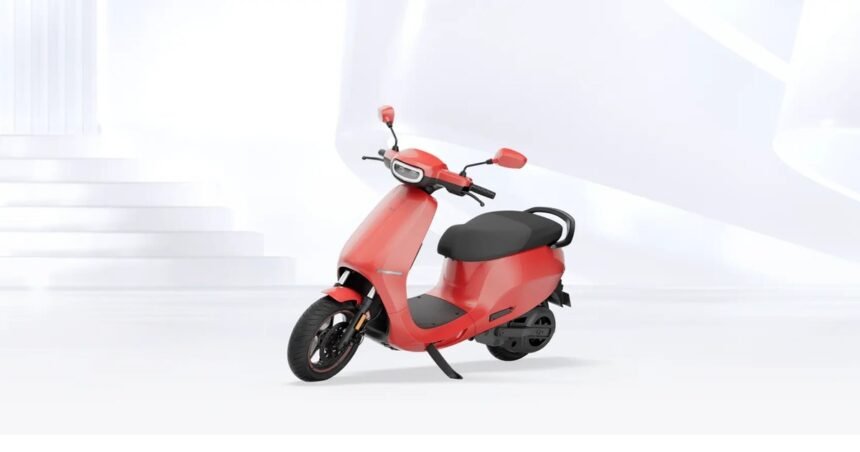
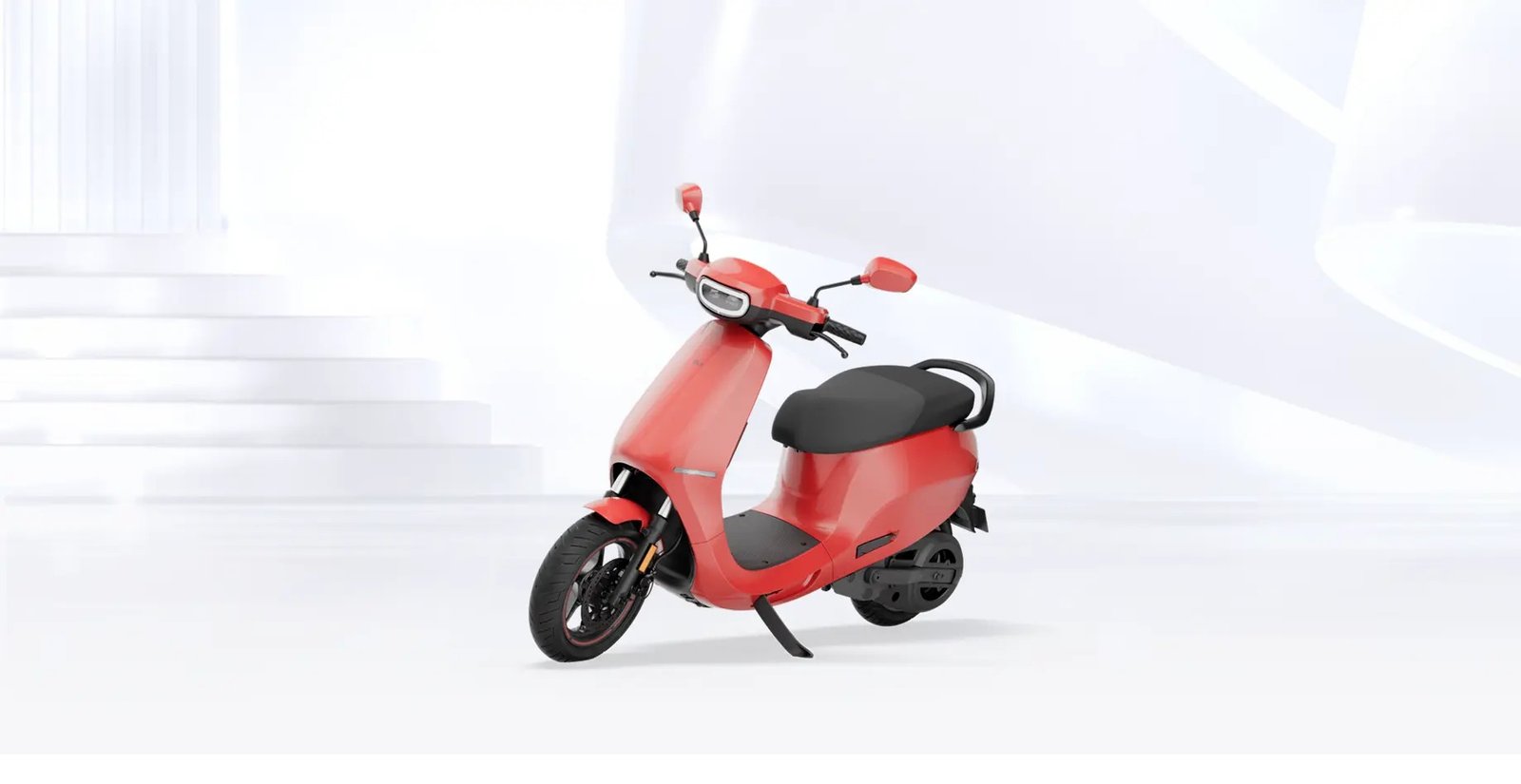
The first vehicle to carry the Bharat Cell is the S1 Pro+ (5.2 kWh), the flagship of Ola Electric’s Gen 3 S1 range. The company lists a 13 kW motor, acceleration from 0 to 40 km/h in 2.1 seconds, and an IDC-certified range of 320 km in DIY mode, with four riding modes — Hyper, Sports, Normal and Eco — for everything from city traffic to open highways. The Bharat Cell has also received ARAI certification under AIS-156 Amendment 4 standards, the safety benchmark for electric-vehicle battery packs in India.
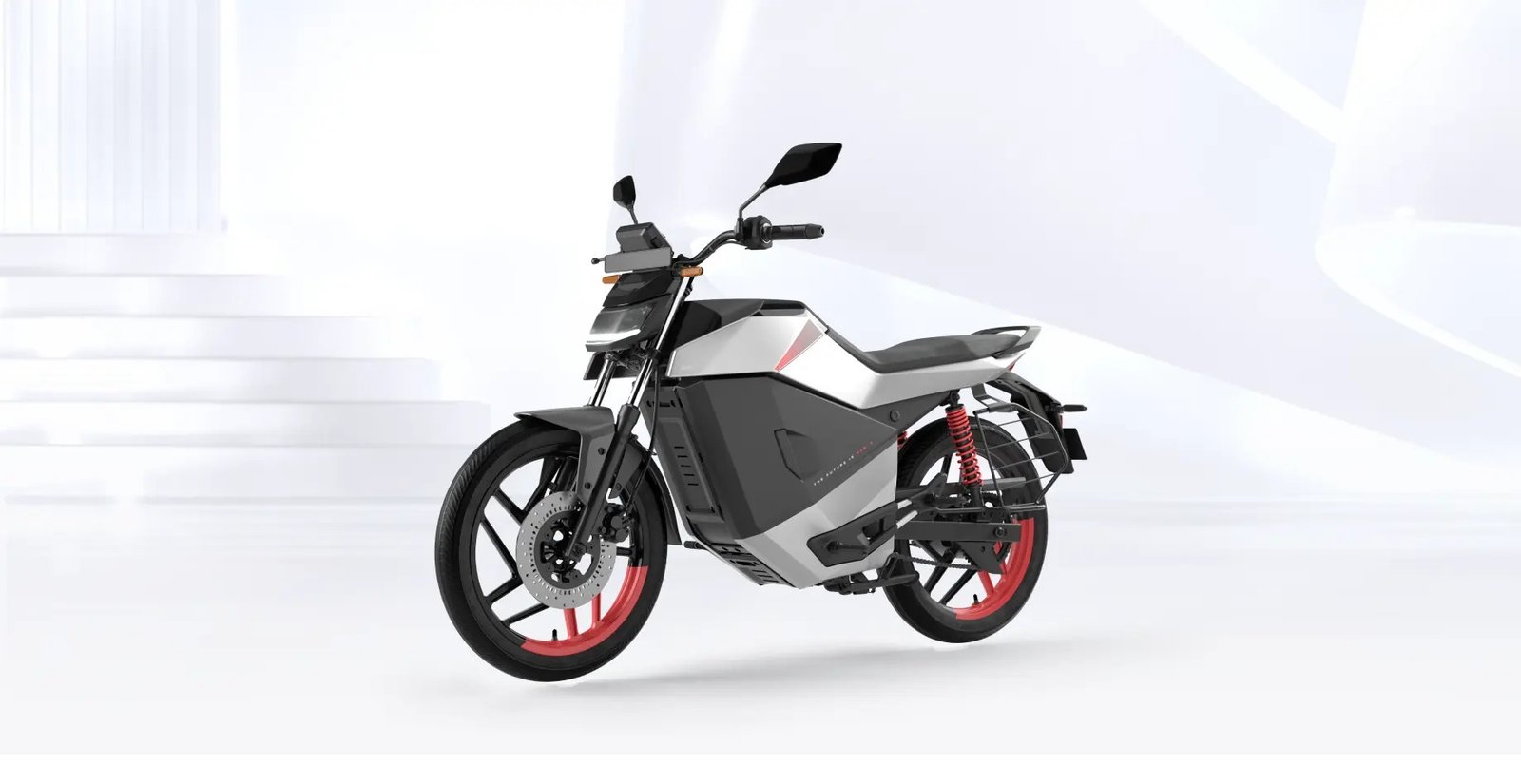
The rollout has been deliberately staged. Mass deliveries of the Bharat Cell-powered S1 Pro+ began in December 2025, expanded across Tamil Nadu, Kerala, Telangana and Karnataka in the months that followed, and the company now says the rollout is going nationwide. The same cell technology is spreading across the range: the mass-market S1 X+ (5.2 kWh), certified under the Central Motor Vehicle Rules by ICAT Manesar, brings the Bharat Cell to a wider audience, while the flagship Roadster X+ motorcycle pairs a 9.1 kWh Bharat Cell pack with a claimed range of up to 500 km (IDC).
Why building the cell matters
Owning the cell changes what a scooter company can control. Range, charging behaviour, thermal management and safety all start at the cell, and building it in-house means those decisions are made by the same team that builds the vehicle around it. For India’s EV industry, it also means one fewer critical component that has to be imported — a step towards a supply chain that starts and ends in India.
Ola Electric’s own film on the programme tells the story from the factory floor:
More Read

A scooter is only as Indian as its hardest part. With the Bharat Cell, the hardest part — the cell itself — is now designed and built in India, and it is reaching riders in every corner of the country. That is the kind of quiet manufacturing milestone that turns an import-dependent industry into one that can stand on its own.
Keep reading: From 3.5 Tonnes to 55: Inside Qucev, the Hyderabad Company Electrifying India’s Heaviest Freight · City Streets to Dirt Trails: Inside Royal Enfield’s Flying Flea S6, the Electric Scrambler Built for Both · More Automotive & Mobility stories
Like stories like this? Add Exceptional Technology as a preferred source on Google to see more of our reporting in your search results and Discover feed.