


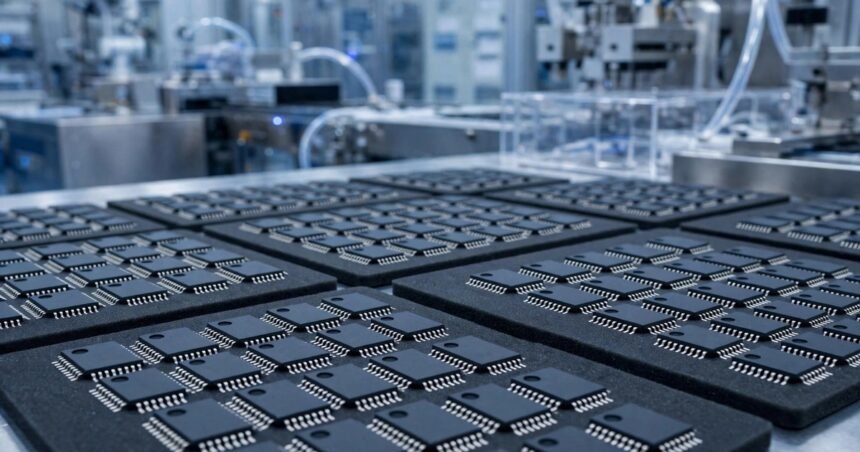
Surat is famous for its textiles — looms, embroidery and sarees that travel the world. Now the city is threading something far smaller: wafers. Suchi Semicon, a company born out of one of Surat’s biggest embroidery businesses, has built one of India’s first semiconductor packaging plants, and it is already shipping chips to customers in Asia, the United States and Japan. Its plant in Palsana packages 300,000 chips a day, and the company says it will reach three to four million a day within three years.
What an OSAT actually does
Most of the attention in India’s semiconductor push goes to fabs, the giant plants that print circuits onto silicon wafers. But a chip is not finished when it leaves the fab. It still has to be cut from the wafer, wired into a package that protects it and connects it to a circuit board, and tested to prove it works. That back-end work — assembly, testing, marking and packaging — is what an OSAT does, and it is the part of the chain Suchi Semicon has chosen to master.
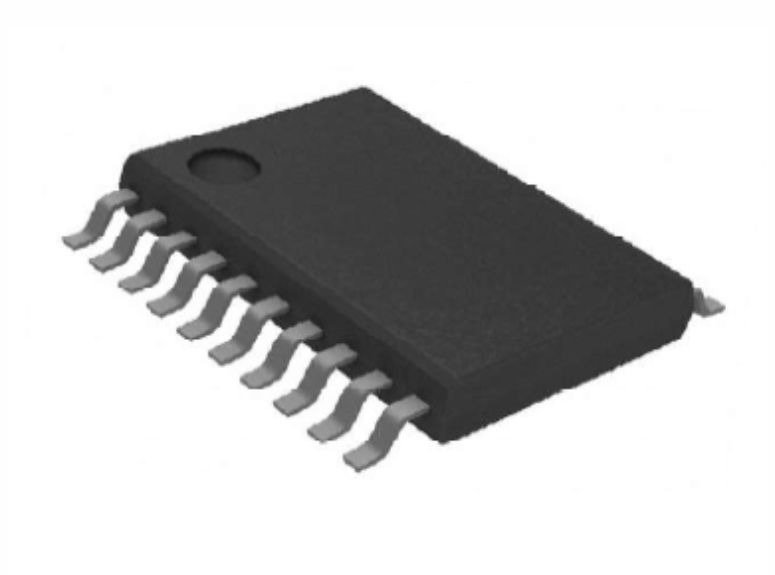
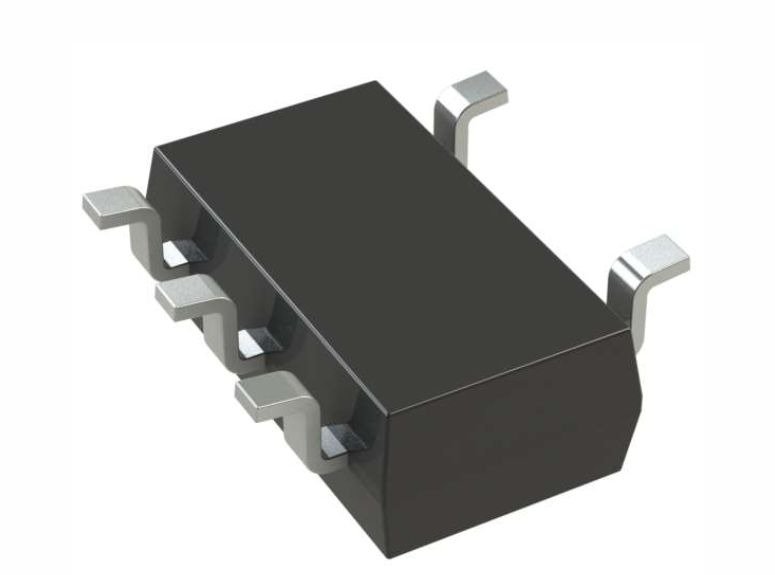
The Surat plant handles discrete semiconductor devices, the workhorse components inside power electronics, cars, consumer gadgets and industrial machines. Its lines cover small-outline and QFN package families and power packages, and the company says it can process wafers from 4 to 12 inches, with wafer back-grinding, dicing, packaging, laser marking and final testing all done in-house in Class 10K and 100K cleanrooms. The chips it packages end up in air conditioners, televisions, laptops, battery management systems and electric vehicles.
Three years from idea to shipping chips
The speed of the journey is the story. Suchi Industries, the parent company, was founded in 2004 and grew into one of India’s largest embroidery businesses. Its founder, Ashok Mehta, set up Suchi Semicon in July 2023, hired a technical team whose senior members each carry 25 to 35 years of semiconductor packaging experience, and brought in engineers from IIT Bombay and SVNIT Surat. Gujarat’s first OSAT plant, a 30,000-square-foot facility, was inaugurated in December 2024, and the company shipped its first chip to a US client in April 2025.
Then the milestones came quickly. In March 2026 Suchi Semicon signed a strategic partnership with Japan’s ROHM Semiconductor, which now outsources back-end processes for its power devices and integrated circuits to the Surat plant. On 5 May 2026 the Union Cabinet approved the ₹868 crore project under the India Semiconductor Mission, with the Centre providing half the funding. And on 17 September 2026, Prime Minister Narendra Modi virtually inaugurated commercial production at the plant during Semicon India 2026, making it one of the first Mission-approved OSAT projects to move from approval to commercial operations — and India’s fifth commercial semiconductor plant.
The Japanese vote of confidence
The ROHM partnership is the detail that says the most about the plant’s quality. ROHM is a Japanese semiconductor major, and its decision to entrust back-end work for power devices and integrated circuits to a three-year-old Indian company is a vote of confidence in the Surat lines. The two companies also work together on technology, so the plant keeps pace with the quality standards global customers demand. The company says it has qualified multiple customers around the world, and in September 2026 it delivered its first batch of commercial devices to eInfochips, an Arrow company. A month later it began shipping small-outline QFN and power packages to customers in Asia, the US and Japan.
More Read

The product range keeps growing too. In December 2025 the company unveiled a new QFN series — QFN, uQFN, DFN and XFN — alongside advanced power packages, built for better heat management and tighter, more compact designs.
What’s next
The roadmap is ambitious. The plant’s approved capacity is 1,033 million chips a year, and the company says it will scale from 300,000 chips a day to three to four million a day within three years, growing its workforce from around 80 people to 1,000 and its customer base to at least 10 global names. It has also launched a sister company, Suchi Logic, to take the next step up the value chain into chip design.
Surat spent two decades dressing the world. Now, in a cleanroom on the edge of the city, it is learning to package the tiny engines inside the world’s electronics — and the orders are already coming in from three continents.
Keep reading: Drive In, Walk Away: Inside Relipark, the Pune Company Teaching Robots to Park Your Car · Robots on the Hospital Floor: Inside Alphadroid, the Noida Startup Putting Service Robots to Work · More Industrial Automation & Technology stories
Like stories like this? Add Exceptional Technology as a preferred source on Google to see more of our reporting in your search results and Discover feed.







