Most spacecraft that come home from orbit end their journey with a splash. AnduraX wants its spacecraft to end theirs with a touchdown — rolling down a runway like an aircraft, carrying medicines and materials made in space, ready to be collected within the hour. The Andhra Pradesh startup is building ARES, a reusable spaceplane designed to turn orbit into a factory floor — and to bring everything it makes safely back to Earth.
The spaceplane that comes home like an aircraft
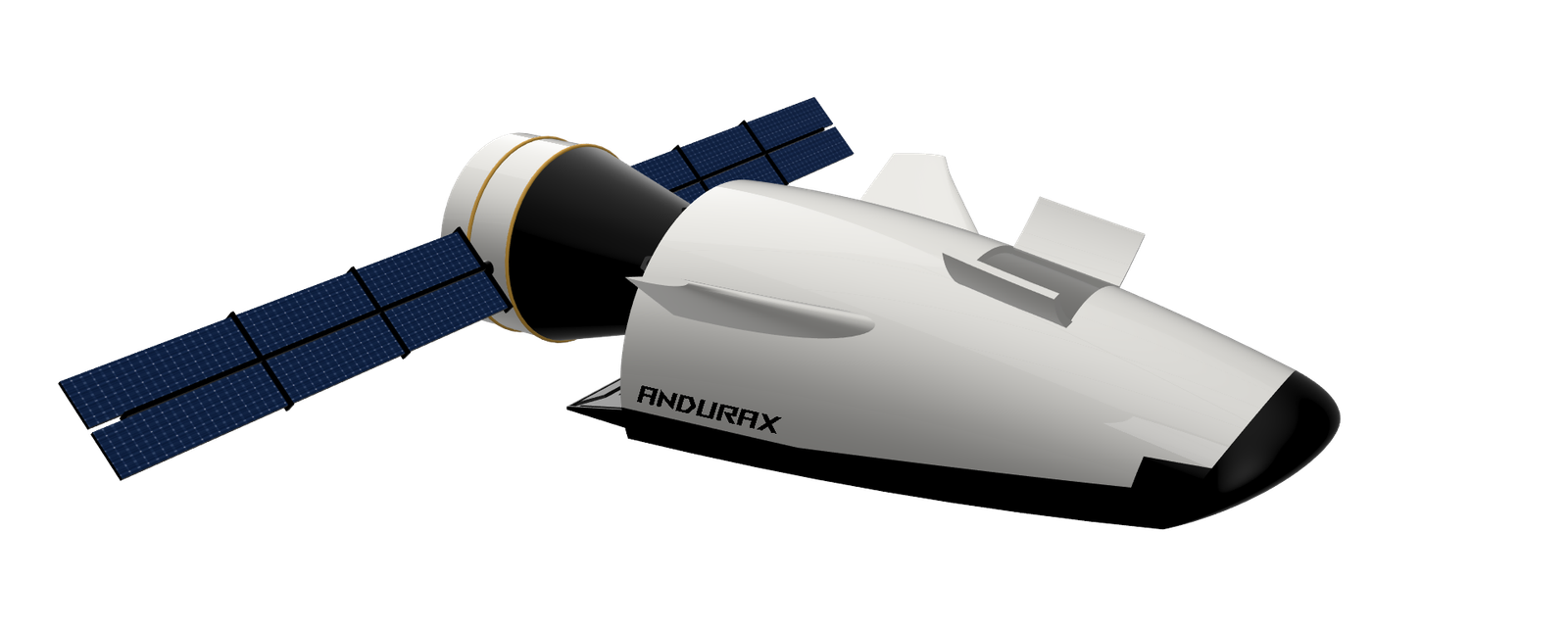
ARES is an autonomous, reusable spaceplane built for microgravity experiments, in-space manufacturing and payload return. Instead of a capsule splashing down in the ocean, ARES is designed for a gentle, low-G re-entry and a precise horizontal landing on a runway — a much kinder homecoming for the delicate things it carries. The company says the unmanned vehicle will carry up to 120 kilograms of payload and stay in orbit for up to 90 days at a time.
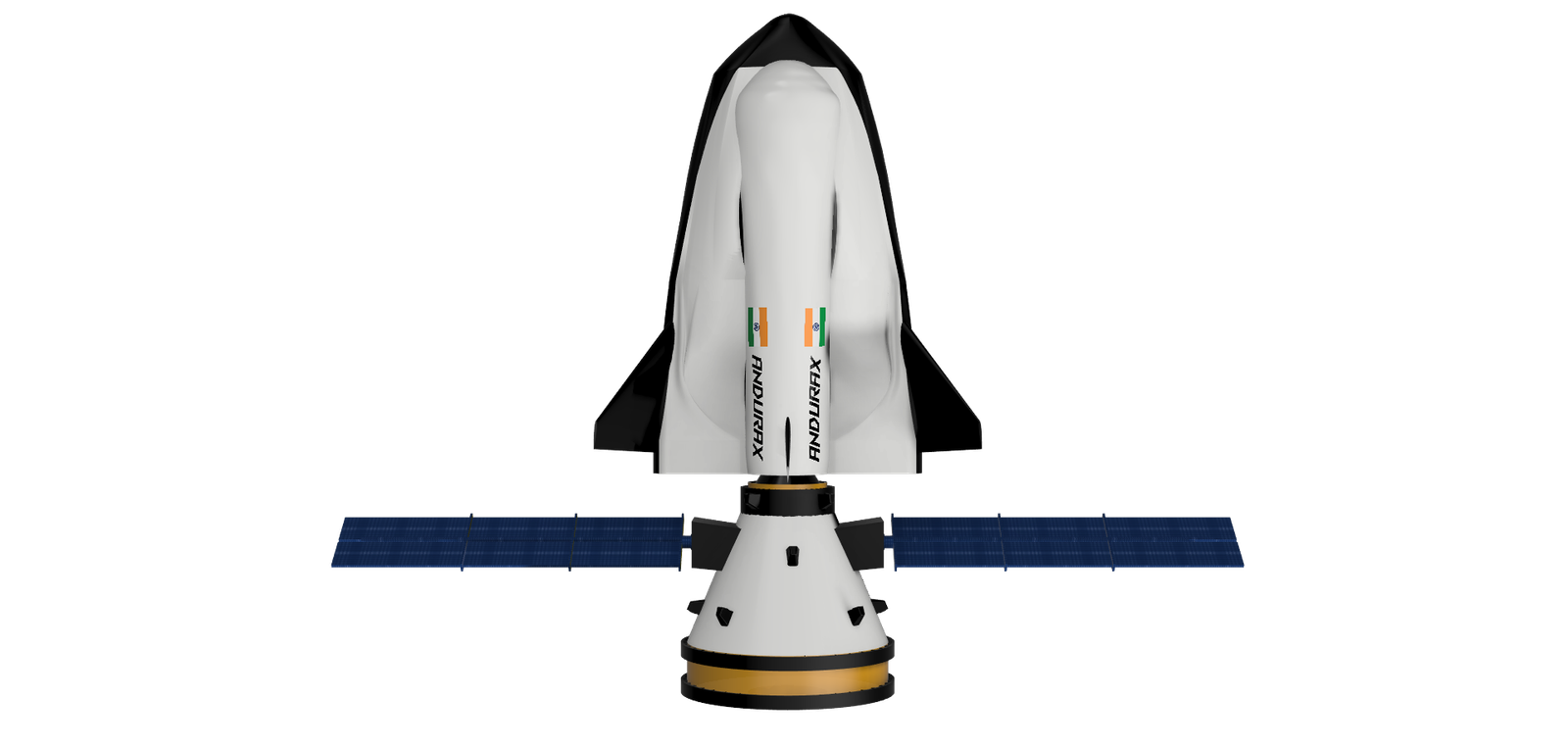
What ARES carries matters as much as how it lands. In the weightlessness of orbit, materials can be made purer and protein crystals can grow larger and more perfectly than gravity ever allows on Earth — the raw material of better medicines, sharper semiconductors and advanced materials. AnduraX is aiming squarely at that market: pharmaceuticals, semiconductor research and advanced-materials manufacturing in microgravity, with the finished products flown home on a runway instead of fished out of the sea.
A first flight, dropped from the edge of space
The road to orbit started with a balloon. On 27 May 2026, AnduraX flew its first major test — ADM-01, the ARES Drop Mission — from Vijayawada, lifting an experimental vehicle to around 25,000 metres on a high-altitude balloon and releasing it in near-stratospheric conditions. The flight validated the guidance, navigation and control architecture that will one day steer ARES home, and the vehicle was recovered with its flight data intact.
The next step is bolder still: autonomously steering a vehicle from high altitude to a designated landing point using a parafoil, a key rehearsal for the runway landings ARES is built for. The company is targeting a small-scale orbital re-entry demonstration in 2028, with a first commercial spaceplane mission around 2030 — and cargo runs for India’s planned Bharatiya Antariksh Station in its sights after that.
Two founders, one very long runway
AnduraX was founded in June 2024 by Sree Supranayi Kanamarlapudi and Nirvik Choudhury, two aerospace engineers who had already spent years working on reusable launch vehicles. Supranayi, the company’s chief executive, studied aerospace engineering and spent three years at a reusable launch vehicle startup before deciding to build the return leg of the journey herself. The name says it all: “Andura” comes from endurance, and “X” stands for expeditions to space.
More Read

The young company has gathered serious backing for such an audacious goal. AnduraX is a graduate of KickSky Space Lab’s second cohort, the space-focused accelerator backed by Riceberg Ventures, E2MC Ventures and Aniara Space, and its early work has been supported by government grants including NIDHI PRAYAS, the Startup India Seed Fund Scheme and MeitY’s TIDE programme.
From a balloon drop over Vijayawada to a runway landing with a factory’s worth of space-made medicine on board, AnduraX is building the missing half of India’s space story — not just how we get to orbit, but how we bring its rewards home.
Keep reading: The Drones That Mapped 65,000 Villages: Inside Aereo, the Bengaluru Company Drawing India’s New Map · The Drones That Hunt in Packs: Inside Kadet Defence, the Bengaluru Company Building India’s First Loitering Munitions · More Aerospace & Defense stories
Like stories like this? Add Exceptional Technology as a preferred source on Google to see more of our reporting in your search results and Discover feed.