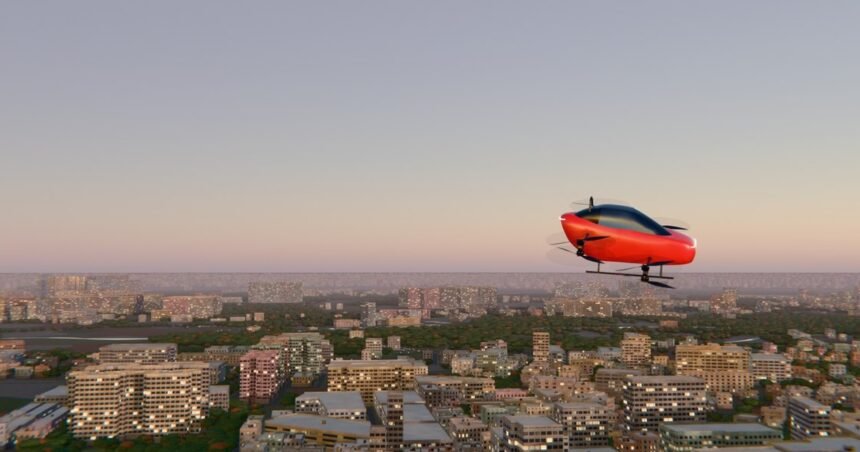
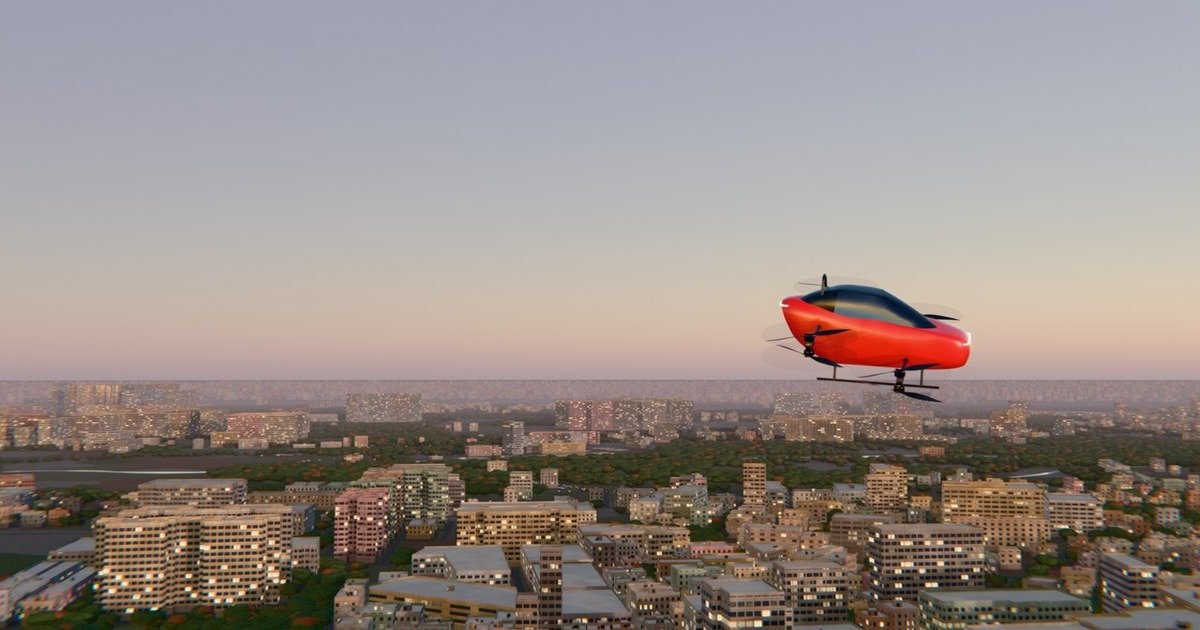
Bengaluru writes software for the world, and still waits in its own traffic. The ground is full. The sky above the city is almost empty. Zephyra Dynamics, a Bengaluru startup founded in 2025, is building an aircraft to use that space — the Kestrel X2, a single-seat electric aircraft that flies itself from one rooftop to another, with no pilot on board.
One seat was the whole point
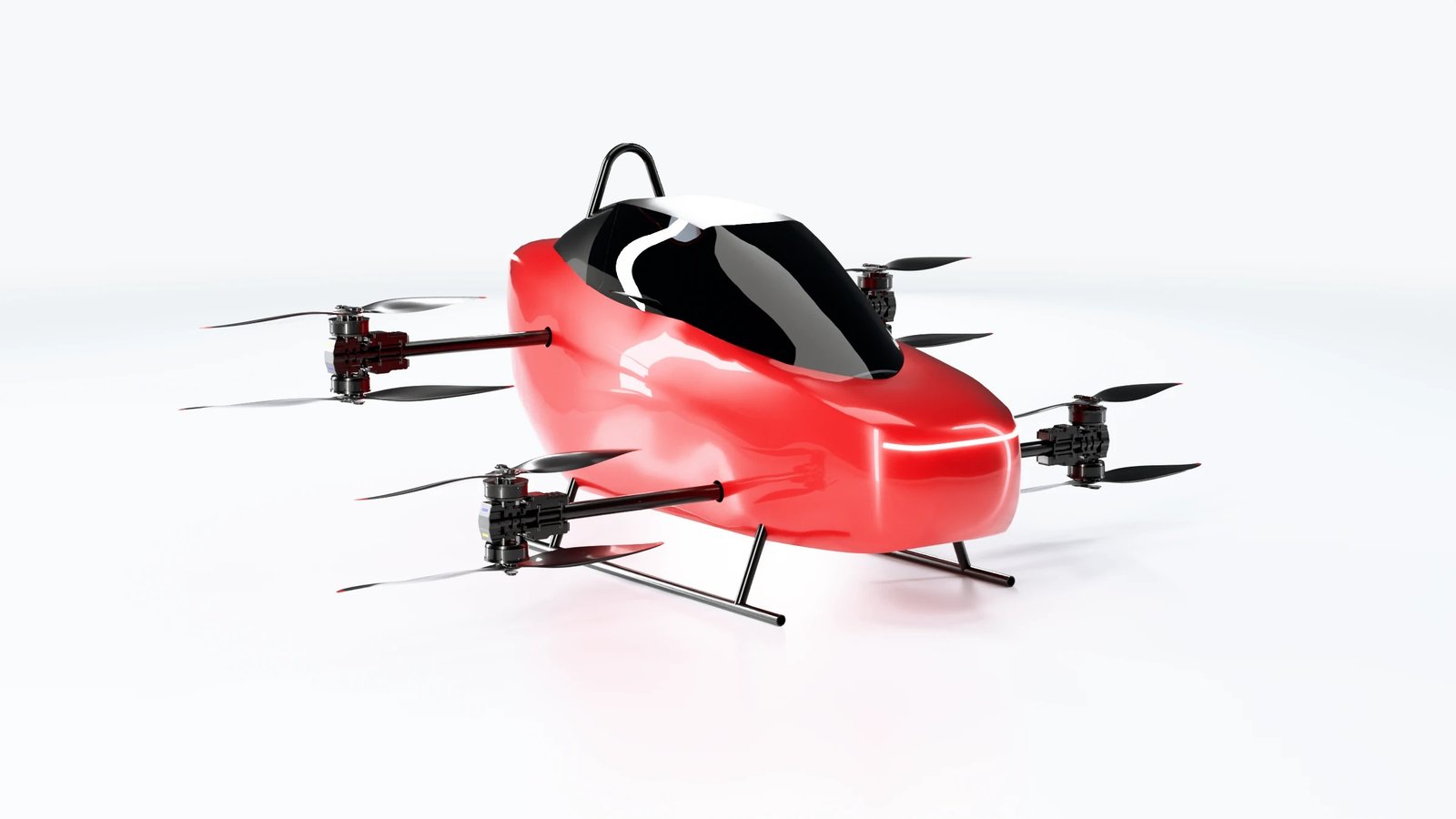
The first thing most people say when they see the Kestrel X2 is that it is smaller than they expected. That is deliberate, and the company says it is probably the most important decision it has made. Every extra seat adds weight, and weight adds everything else: larger rotors, a heavier battery, a bigger footprint on the landing pad. Keeping the aircraft compact means it can use rooftops that already exist, instead of waiting for purpose-built vertiports on the edge of town.
The Kestrel X2 carries one passenger across the city on eight electric rotors arranged in four coaxial pairs, with backup systems built in from the start. It is flown by its own flight computers — the aircraft carries two of them — so the only seat goes to the person travelling. The company lists a range of 45 km and a cruise speed of 135 km/h, sized for exactly the trips Bengaluru hates most: Whitefield to Electronic City is about 17 km in a straight line, a flight of around ten minutes including take-off and landing.
Three things, built together
Zephyra Dynamics is not building an aircraft alone. It is building three things together: the Kestrel X2, LAMINAR — the airspace software that plans and separates every flight — and FlightLab, the virtual twin where every flight is tested in simulation before it happens for real. The company’s argument is simple: an aircraft without an airspace is a demo, so each part is designed around the other two from day one.
LAMINAR plans the route for every aircraft, keeps each one at a safe distance from the others and reserves every landing pad before take-off, all in real time. The company says the system has completed software-in-the-loop testing and is progressing through hardware-in-the-loop testing. FlightLab is a virtual twin of the Kestrel X2 built in NVIDIA Omniverse and NVIDIA Isaac Sim, where routes, sudden gusts and equipment faults are all flown first; Zephyra Dynamics is a member of NVIDIA Inception, and it has a technical collaboration with Dassault Systèmes.
That is how the aircraft is being proven: Kestrel X2 flies in simulation every day, and the road from there to carrying passengers runs through prototypes, flight testing and certification with India’s regulator, the DGCA. The aircraft is in the pre-certification process, and the company presented the Kestrel X2 at the BDTS Bengaluru Strategic Colloquium 2026.
More Read

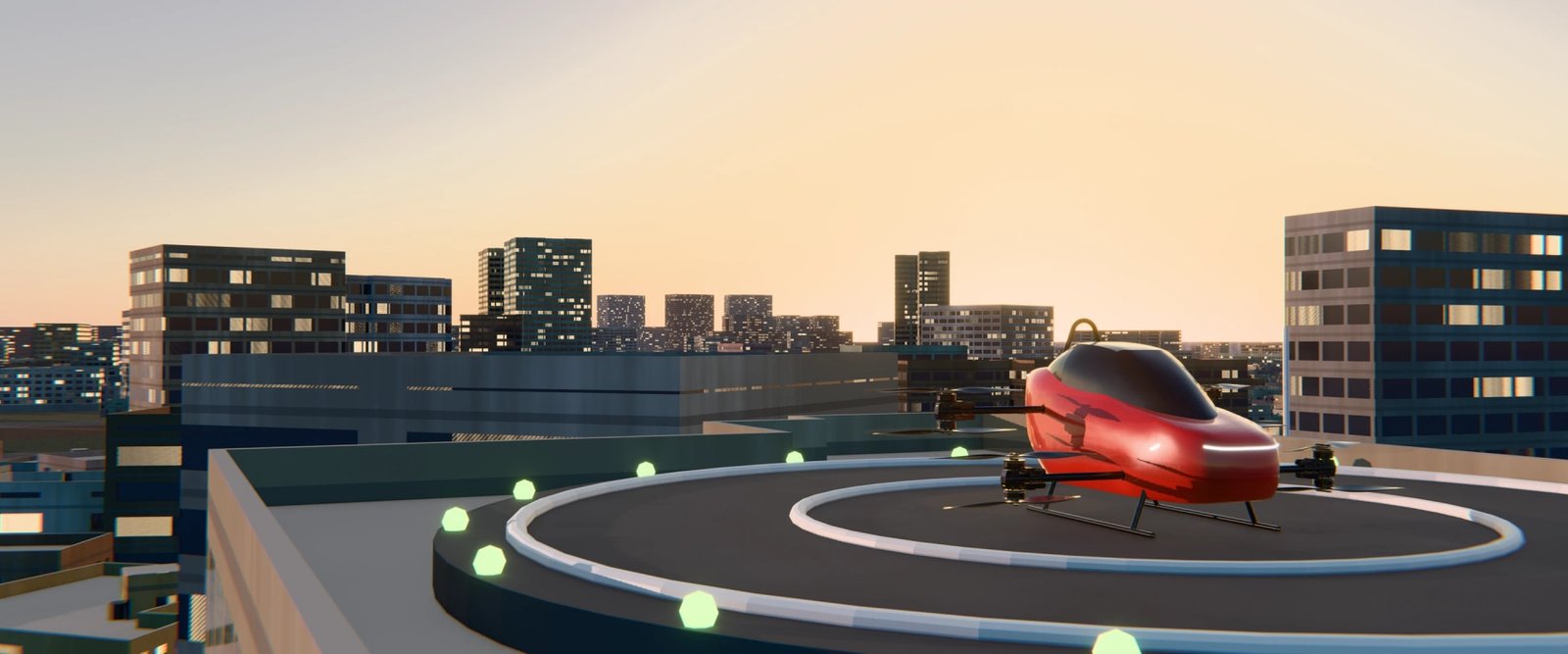
The Kestrel X2 on a city cruise. (Video: Zephyra Dynamics)
The 22-year-old from Budgam
Zephyra Dynamics was founded by Sadiq Ali Mir, a 22-year-old aerospace engineer from Labertal village in Budgam, Kashmir, who decided in Class 10 that he wanted to build aircraft after watching the International Space Station cross the winter sky. At RV College of Engineering in Bengaluru, he co-founded Team AeroAstro, a 40-member student team working on electric aircraft and space technology, and founded Zephyra Dynamics in his final year alongside his mentors, Dr Promio Charles F and Dr Ravindra S. Kulkarni. The team has since grown to more than 45 engineers.
Mir was recently named to the inaugural National Space Society 30 Under 30 Class of 2026, and he is also a Titans Space astronaut candidate preparing for a planned 2029 mission, alongside research at IIT Roorkee. His larger motivation, he says, is to turn ambitious ideas into useful, reliable technology built in India.
For a city that keeps adding flyovers and metro lines and keeps filling them, the idea lands close to home. The ground is full, and the sky above it is almost empty — and a small team in Bengaluru is building the aircraft, the airspace and the testing to use it, safely, from the start.
Keep reading: Built to Let Satellites Steer Themselves: Inside Kaara Space’s Hall-E Thruster · Built to Fly Faster Than Sound: Inside Green Aero, the Bengaluru Startup Building India’s Own Jet Engines · More Aerospace & Defense stories
Like stories like this? Add Exceptional Technology as a preferred source on Google to see more of our reporting in your search results and Discover feed.