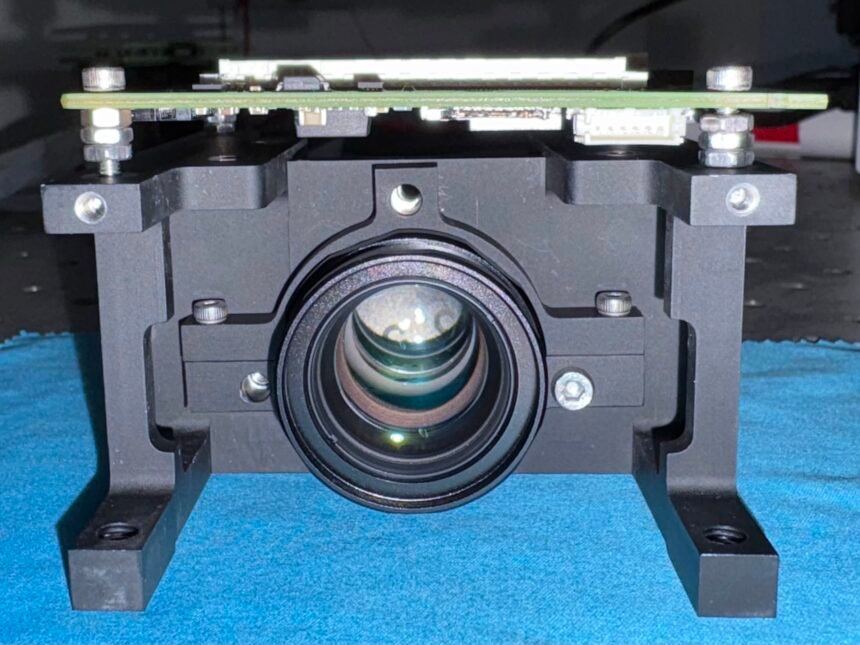
Every satellite image India buys, every infrared sensor it imports, has a price tag that goes beyond the invoice — it is a dependence on somebody else’s eyes in orbit. In Ahmedabad, a small team of engineers is quietly building the eyes themselves. SpectraGaze Systems designs and builds indigenous optical imaging sensors and electro-optical payloads — the delicate detector hardware that lets satellites, drones and telescopes see the world — and it is doing it with customers that include the Indian Space Research Organisation itself.
The company was founded in 2023 by Arup Banerjee, a former ISRO scientist, under the banner “Engineering India’s Vision in Space”. Its mission is precise: end India’s reliance on imported imaging detectors by building them at home, in-house, and qualifying them to space grade. On its capabilities page, the company describes four domains of work — imaging detectors characterised across the full electro-optical parameter space; integrated optical payloads for low-Earth and geostationary orbit spanning PAN, multispectral and hyperspectral imaging; satellite-system integration and mission engineering; and the calibration pipelines and ML-driven hyperspectral analytics that turn raw orbital data into decision-ready intelligence.
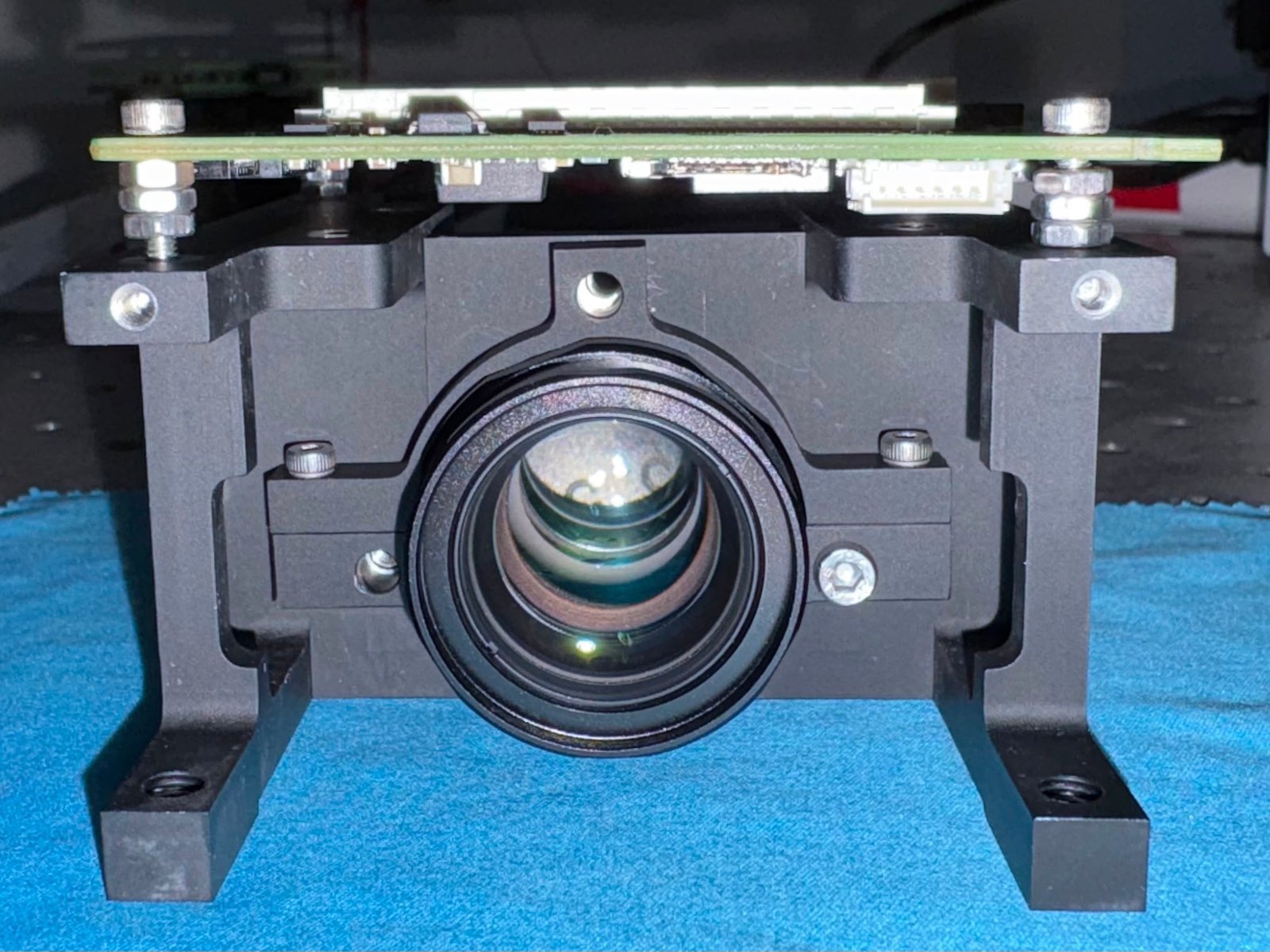
The traction is real and verifiable. According to the company’s own projects page, SpectraGaze completed the supply of a test system and a fully characterised infrared imaging detector for inter-satellite communications to ISRO in 2024, along with a fully characterised infrared detector for a hyperspectral payload the same year. YourStory reports that the company’s customers include ISRO, the Physical Research Laboratory and Kaynes Technology India, and that it has secured an image-sensor development contract for ISRO’s HRSAT programme. Dealroom reports that SpectraGaze also won an iDEX PRIME challenge to build an indigenous Infrared Detector Dewar Cooler Assembly — the cryogenic housing that lets infrared sensors work in the cold of space.
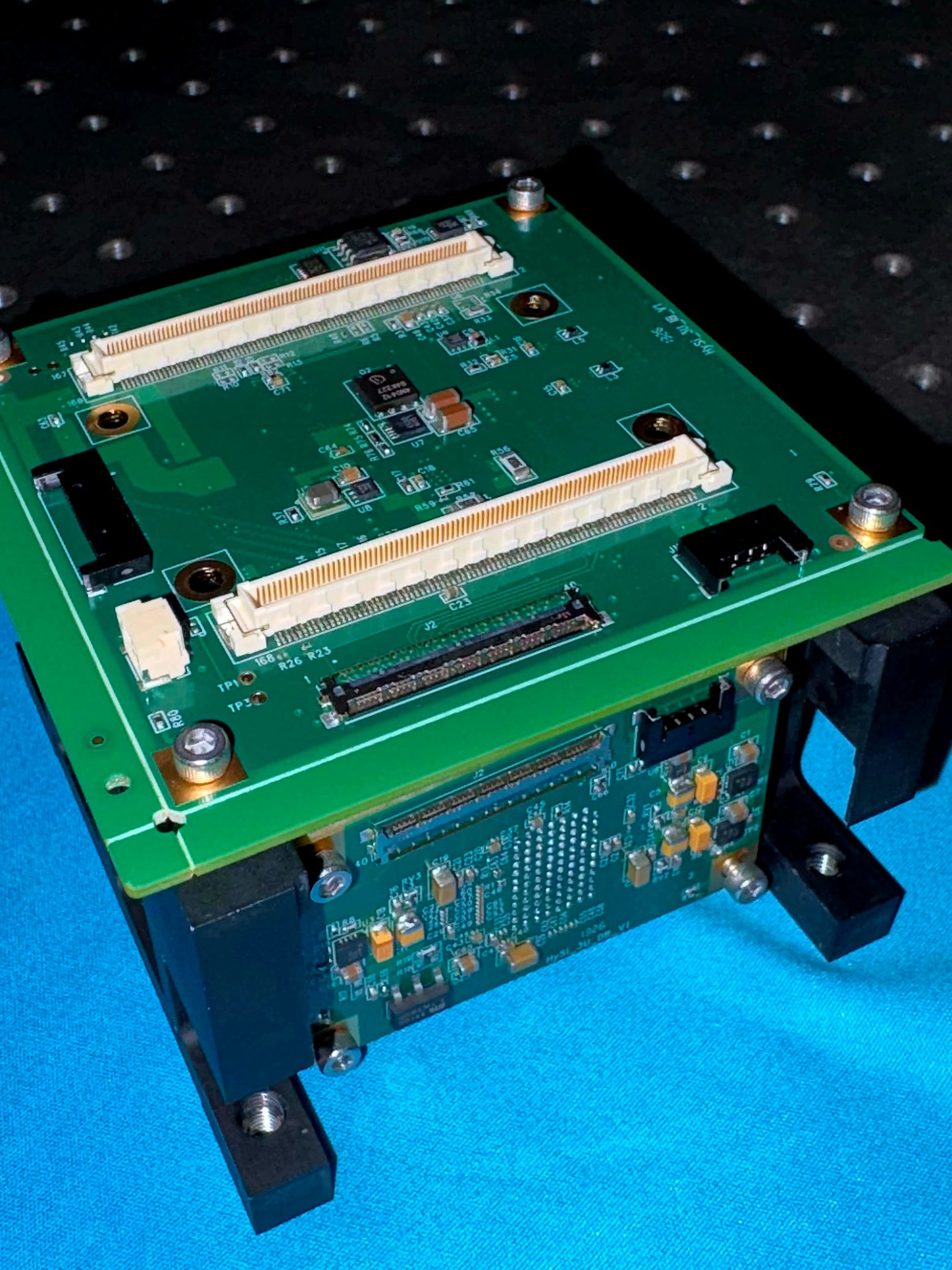
The current order book reads like a tour of India’s imaging ambitions. A 3U HySI hyperspectral payload is being integrated with a Kaynes Group satellite, with the engineering model delivered in July 2026, the flight model due this November, and flight scheduled for December 2026. An sCMOS sensor with camera electronics is heading to the Physical Research Laboratory’s Mount Abu observatory this October. A daytime star-tracking system for naval navigation is under development for delivery in September 2027. The company is also building IamInsight, its own indigenous analytics platform for orbital data.
The momentum is accelerating. On 23 October 2026, YourStory reported that Gujarat-based venture firm GVFL led a Rs 3.7 crore seed round in the company, with angel investors participating — its first external funding after three years of customer-funded operations. The capital will fund product development, engineering hires and testing infrastructure, and the roadmap stretches from Earth observation and space-based surveillance to greenhouse-gas mapping and drone-based imaging. For a country learning to see from space, the eyes are finally being made at home.
Keep reading: A Peacock Made of 3,473 Drones: Inside BotLab Dynamics, the IIT-Delhi Startup That Just Set Its Eighth Guinness World Record · Half a Tonne, Zero Runway: Inside Sarla Aviation, the Bengaluru Startup Flying India’s Heaviest Electric Aircraft · More Aerospace & Defense stories
More Read

Like stories like this? Add Exceptional Technology as a preferred source on Google to see more of our reporting in your search results and Discover feed.