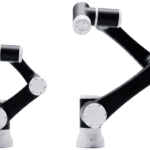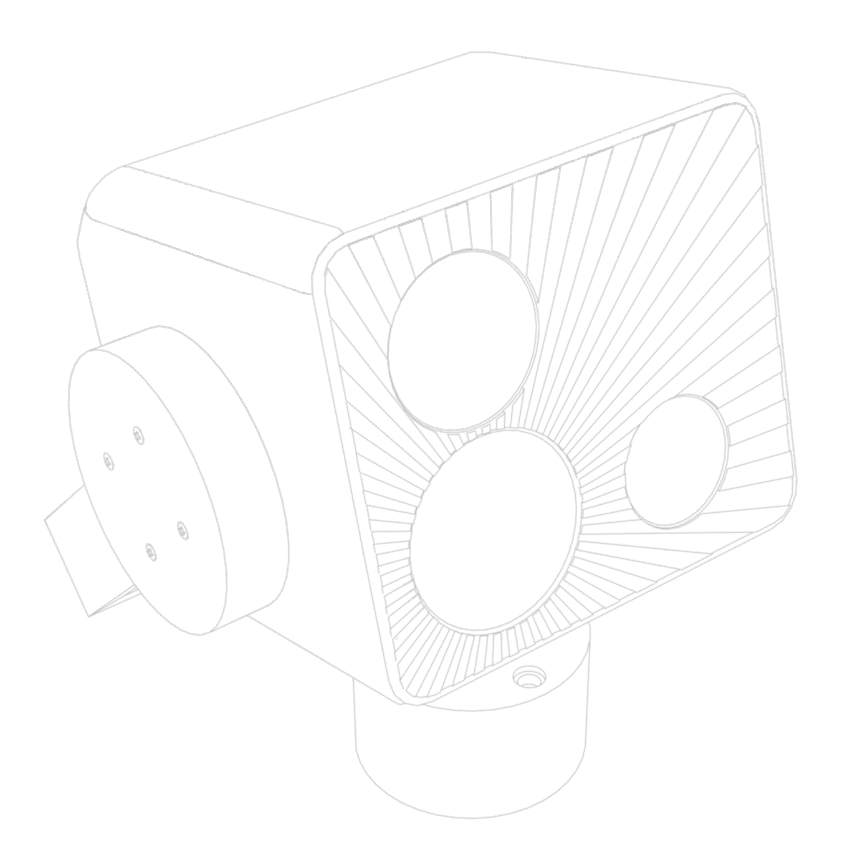
Every drone, rover and unmanned boat has the same blind spot: take away its satellite signal, and it loses its bearings. Jam the GPS, cut the radio link, fly into a valley where the signal cannot reach, and the machine that could see everything suddenly cannot tell where it is. In Bengaluru, a young deep-tech company called Paar Autonomy is building the eyes — and the brain behind them — that keep these machines flying, driving and sailing anyway.
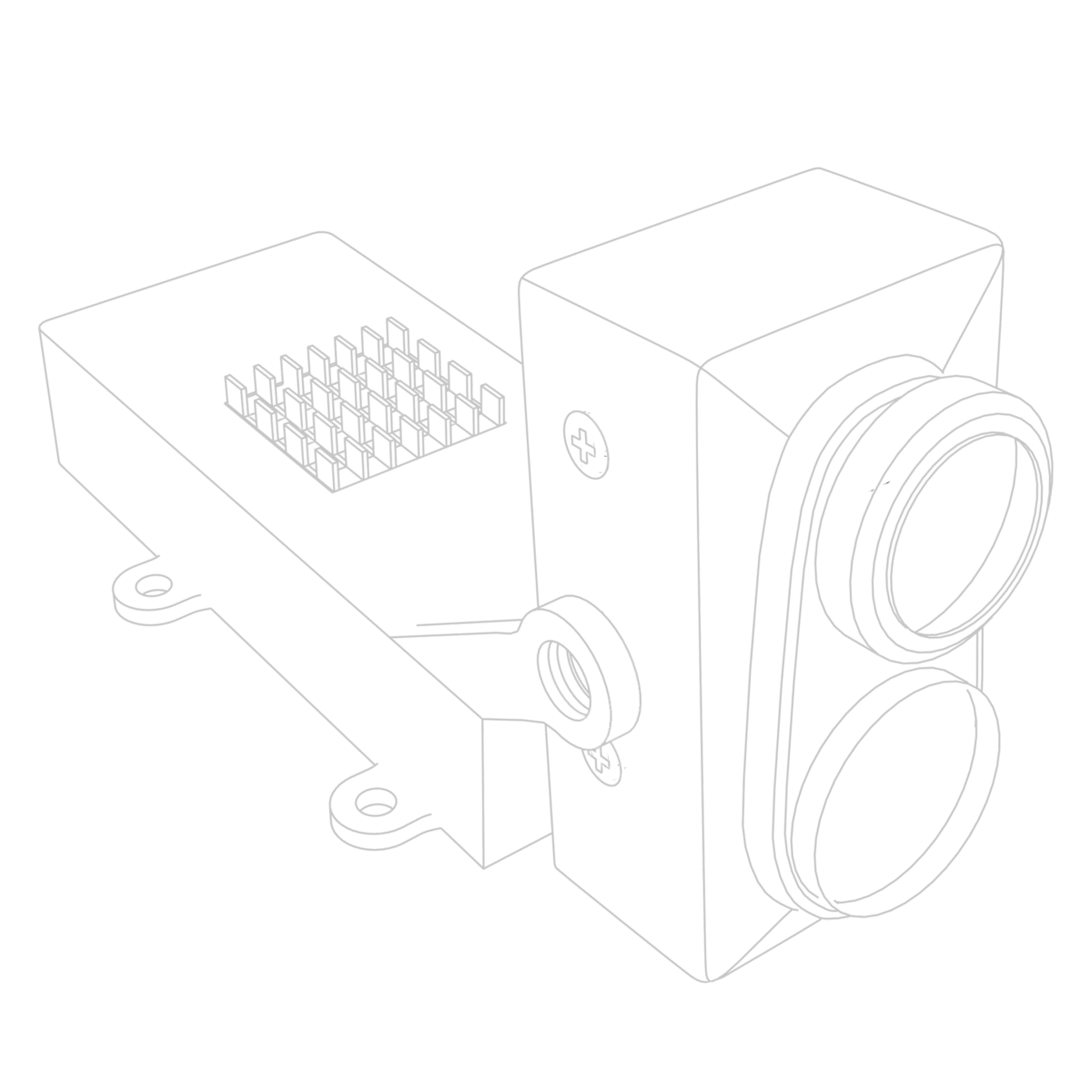
Paar Autonomy was founded in June 2024 by robotics engineer Vignesh Sivaram Jayaraman, who previously led product at a leading Indian drone company. The Bengaluru startup builds multi-sensor, gyro-stabilised gimbal cameras and pairs them with proprietary agentic AI models — software that lets a machine interpret a complex scene, track what matters in it, and work alongside a human operator in real time. The company describes the result as super-human sight for unmanned vehicles: cameras that do not just record the world, but understand it.
Paar Autonomy’s multi-sensor camera system. (Image: Paar Autonomy)
That combination of hardware and software is designed for every kind of unmanned machine: drones in the air, rovers on the ground and boats at sea. The company says its systems serve defence, policing and industrial inspection — the jobs where a machine has to keep working in places too dangerous, too remote or too contested for a person to go. Its official site sums up the approach in three ideas: edge-based embodied AI, GNSS-independent visual-inertial navigation, and collaborative man-machine teaming across multi-domain systems.
The GNSS-independent navigation is the heart of it. Instead of depending on satellite signals that can be jammed, spoofed or simply blocked by terrain, Paar Autonomy’s technology lets a vehicle navigate by what its cameras see, fused with inertial sensing. The machine reads the ground below, the structures around it and the motion of its own body, and works out where it is going from that — so a drone can finish its mission even when the sky goes silent.
More Read
Paar Autonomy is building for the real world, not the laboratory. Its roadmap includes direct collaborations with defence establishments, public-sector undertakings and international manufacturers, supplying both complete gimballed payloads and licensable AI models that can retrofit existing fleets of drones, rovers and unmanned boats. A vehicle already in service does not need to be replaced to gain the new sight — the intelligence can be fitted to it.
The company’s progress has drawn steady backing. In September 2025, Venture Catalysts led a Rs 3.5 crore pre-seed round to commission Paar Autonomy’s first manufacturing line, deliver pilot units to defence and public-sector customers, and grow its engineering team. On 23 October 2026, the company raised a further Rs 10 crore in a round led by AdvantEdge Founders, to scale up production of its AI-powered camera systems and develop its GPS-denied navigation technology further.
It is a distinctly Indian answer to a problem every modern military and industrial operator now faces. The world’s unmanned fleets are growing fast, and the contest over who can keep them seeing, navigating and deciding when signals fail is only getting sharper. Paar Autonomy, built in Bengaluru and proudly Made in India, is betting that the winning edge will belong to the machine with the best eyes — and it is building those eyes at home.
Keep reading: A Power Bank in Orbit: Inside Aule Space, the Bengaluru Startup Docking ‘Jetpacks’ to Dying Satellites · The Eyes India Couldn’t Buy: Inside SpectraGaze, the Ahmedabad Startup Building Indigenous Imaging Sensors for Space · More Aerospace & Defense stories
Like stories like this? Add Exceptional Technology as a preferred source on Google to see more of our reporting in your search results and Discover feed.