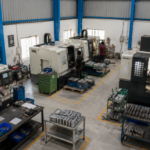
For most Indian factories, colleges and research labs, a robot arm has always meant an import: expensive, priced in foreign currency, and serviced from far away. Kikobot Robotics, a young Pune company, is building a different answer — robot arms designed, developed and manufactured in India, at prices Indian buyers can actually reach.
Kikobot began in 2024 as a first prototype, the idea of founder and director Raghvendra Sutar, and the company says its first products shipped in 2025. What started as a student project is now a team building robots for industry, research and the people shaping what comes next, with hardware, firmware, software and system integration all done in-house in India.
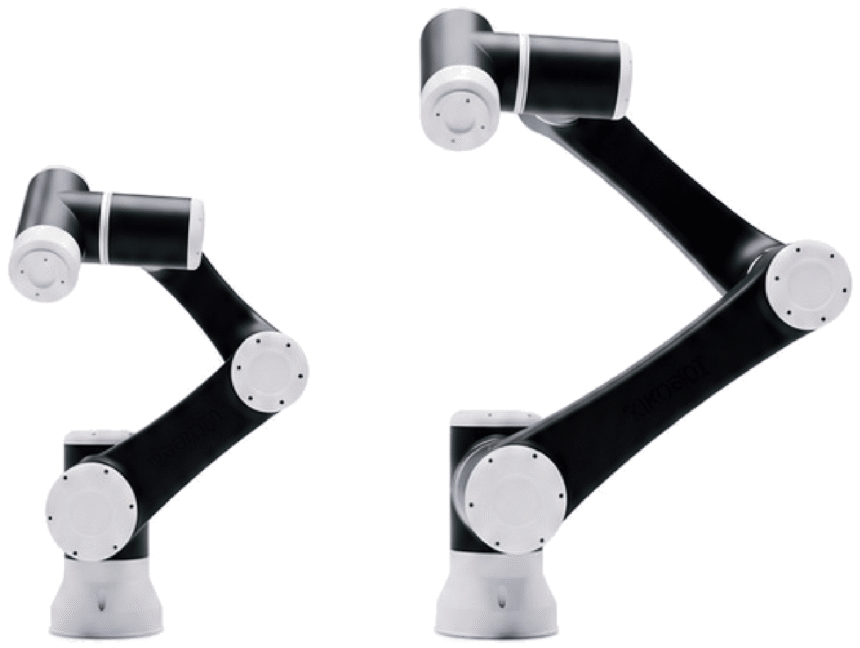
The lineup covers the workhorses of modern automation. The CI series of collaborative robots — cobots that work alongside people — sits at the centre, alongside delta robots built for fast pick-and-place work and gantry systems for larger, structured tasks. The company also builds its own actuators, the motion components at the heart of every arm, rather than depending on imported ones.
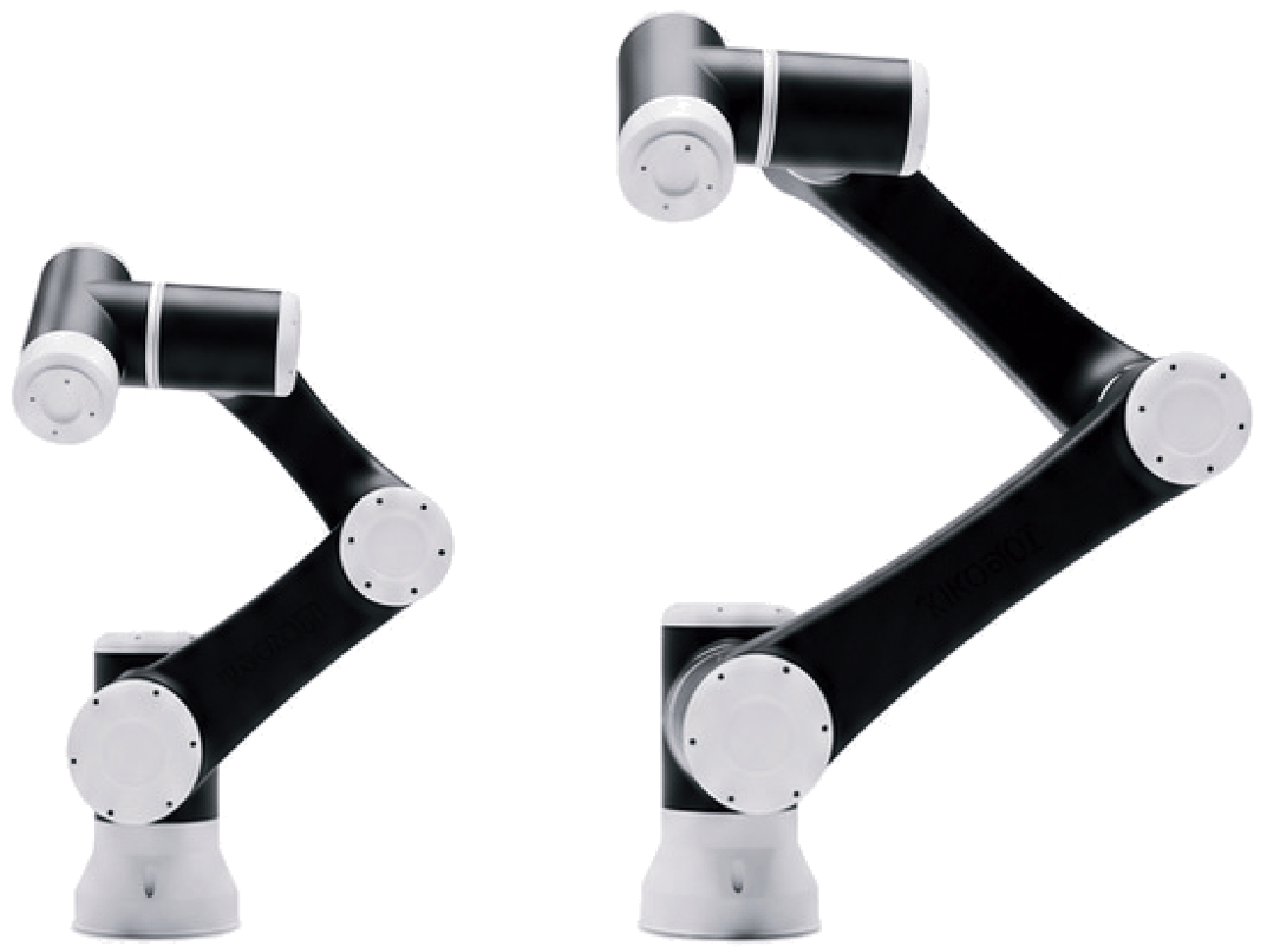
Kikobot CI series cobot arms. (Image: Kikobot Robotics)
The range of jobs the robots are built for is deliberately broad. On factory floors they handle assembly and material handling, packaging and logistics, sorting and machine tending, and welding. In classrooms and laboratories they give students and researchers real hardware to learn on and build with — the same arms, the company says, serve education, research and physical AI as well as industrial use.
More Read

That classroom-to-factory path is how Kikobot found its first customers. Engineering colleges, IITs and research institutions were among the earliest buyers, and the company says it made more than 55 sales in its first year. It sells directly and through integration partners across India, and it is now investing in its own manufacturing to build six-axis cobots and delta robots faster and to a higher standard.
Intelligence is built into the platform, not bolted on. Kikobot’s production-intelligence layer gives operators monitoring, diagnostics and insights across a fleet — robot status, runtime and cycle counts in one view — so a small team can keep many robots running without a control room of its own.
The mission behind it all is simple, in the company’s words: make advanced robotics easier to build, deploy and use. Advanced robotics should be accessible, practical and reliable, helping people solve real problems — and building the machines in India is how Kikobot plans to keep them affordable for the colleges, labs and factories that need them most.
From a first prototype in 2024 to robots shipping across India, Kikobot’s journey is still early. But every arm it puts on a factory floor or into a classroom is one less import — and one more piece of India’s automation story built at home.
Keep reading: The Robots That Climb Ships: Inside Octobotics, the Noida Startup Inspecting Hulls, Tanks and Pipelines · The Chips Behind the Chips: Inside Tessolve, the Bengaluru Company Engineering Silicon for the World’s Biggest Chipmakers · More Industrial Automation & Technology stories
Like stories like this? Add Exceptional Technology as a preferred source on Google to see more of our reporting in your search results and Discover feed.