On 2 April 2026, a small fixed-wing aircraft lifted off from its test strip, stayed in the air for more than six minutes, and touched down smoothly, ready to fly again. It sounds like an ordinary test flight. For LAT Aerospace, it was the moment a radical idea turned into proven engineering: an aircraft that can take off and land in just a few dozen metres, built to turn India’s hundreds of silent airstrips into a bus network in the sky.
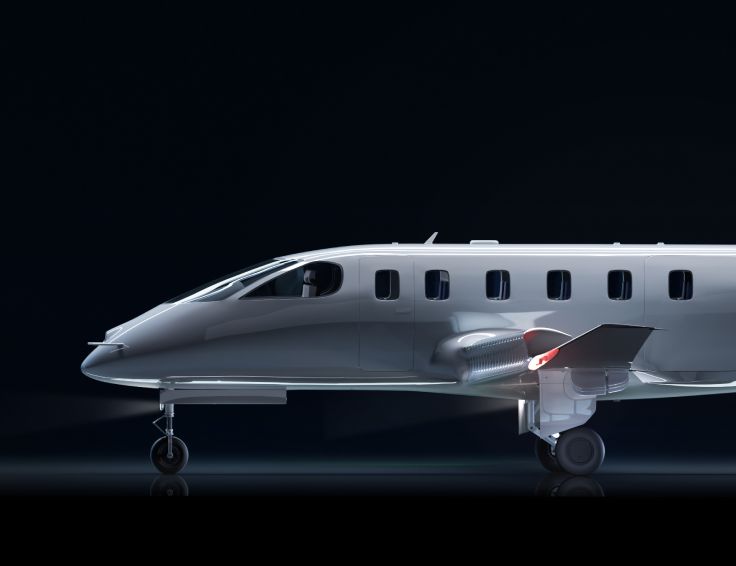
LAT Aerospace was founded in January 2025 by Deepinder Goyal and Surobhi Das, and is based in Gurugram. Its goal, in the company’s own words, is to build “a bus network in the sky” — high-frequency, low-cost, 8-seater hybrid-electric aircraft that operate from compact “air-stops” the size of a parking lot, instead of conventional airports. Of the 450-plus airstrips in India, the company points out, only around 150 see commercial flights today. LAT exists to change that.
The trick is a technology called blown wing. By forcing fast-moving air directly over the wing, the design generates far more lift at low speed than a conventional wing can manage, so the aircraft can lift off while it is barely moving — and land again in the same short distance. It keeps the efficiency and cruise speed of a fixed-wing aeroplane while offering something close to helicopter access, without a helicopter’s complexity or cost. The company’s demonstrator was designed around a lift coefficient of 5, which the company says is more than twice what most aircraft achieve, and the production goal is take-off and landing within just 20 to 50 metres.
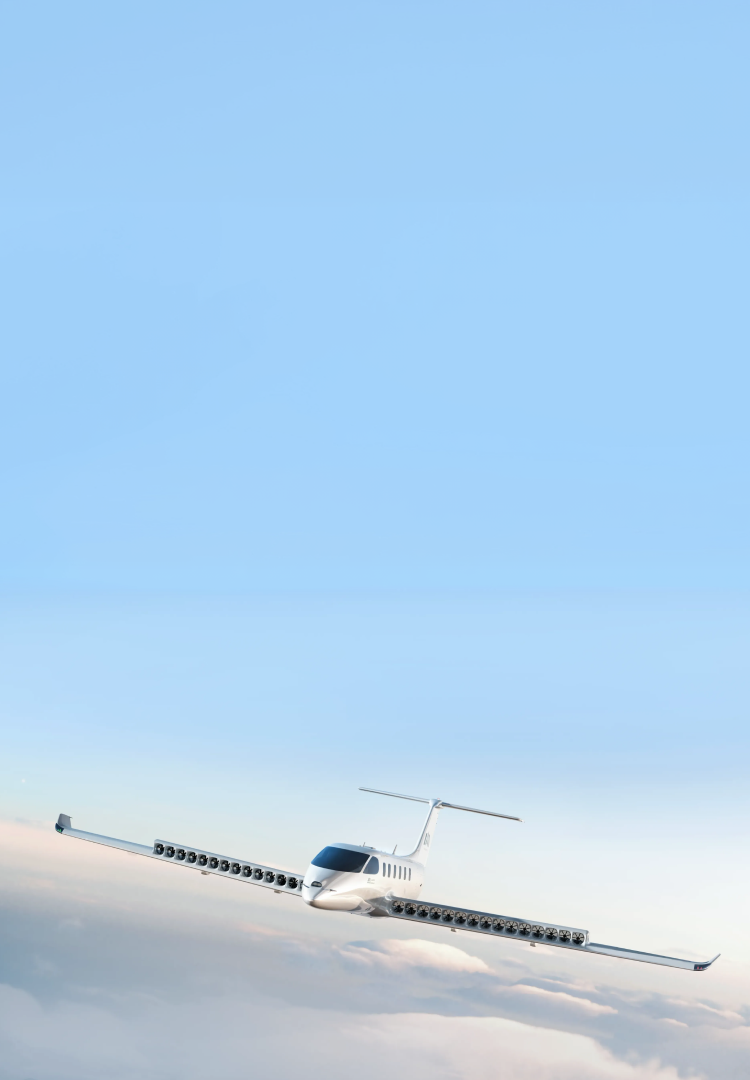
An earlier iteration had already proved the ultra-short take-off itself. The Lat One v0.2 flight was about something harder: completing the full mission. And it did. The blown wing concept worked in reality, the closed-loop control was validated, and the aircraft cruised comfortably at 33 metres per second against a predicted 30 to 32. There were no thermal issues despite a hot afternoon, and the quick-detach wings held through aggressive turns. As Goyal put it after the flight: “Our CFD studies, aerodynamic models, SIL simulations, and flight logs all match, almost perfectly. That’s what real engineering looks like. I am so proud of our team.”
That match between prediction and reality is the point of the whole programme. LAT built its entire flight lab from scratch — every bench, every tool, every fixture — so it could iterate fast on its own hardware, and it now works out of a 50,000-square-foot research facility in Gurugram. The aircraft is one of three programmes the company is building from scratch: alongside it sit a Defence programme, strengthened by the acquisition of Gurugram defence robotics startup Sharang Shakti in February 2026, and a gas turbine engine programme, because, as the company puts it, nothing real in aerospace gets built without one.
The first full-size aircraft in the plan is the 8-seater hybrid-electric machine: electric motors for the powerful short-field take-off, a generator for endurance, and a cabin designed to make regional hops as routine as a bus ride. If that network comes together, the map of Indian aviation changes shape — small towns, remote industrial sites and island communities connected directly, without waiting for a big airport to arrive first. LAT’s belief, stated on its own site, is simple: where you are born should not decide where you can go. The little demonstrator that flew for six minutes in April is the first proof that the idea can fly.
More Read

Keep reading: The Eyes That Keep Flying When GPS Goes Dark: Inside Paar Autonomy, the Bengaluru Startup Giving Drones Super-Human Sight · A Power Bank in Orbit: Inside Aule Space, the Bengaluru Startup Docking ‘Jetpacks’ to Dying Satellites · More Aerospace & Defense stories
Like stories like this? Add Exceptional Technology as a preferred source on Google to see more of our reporting in your search results and Discover feed.