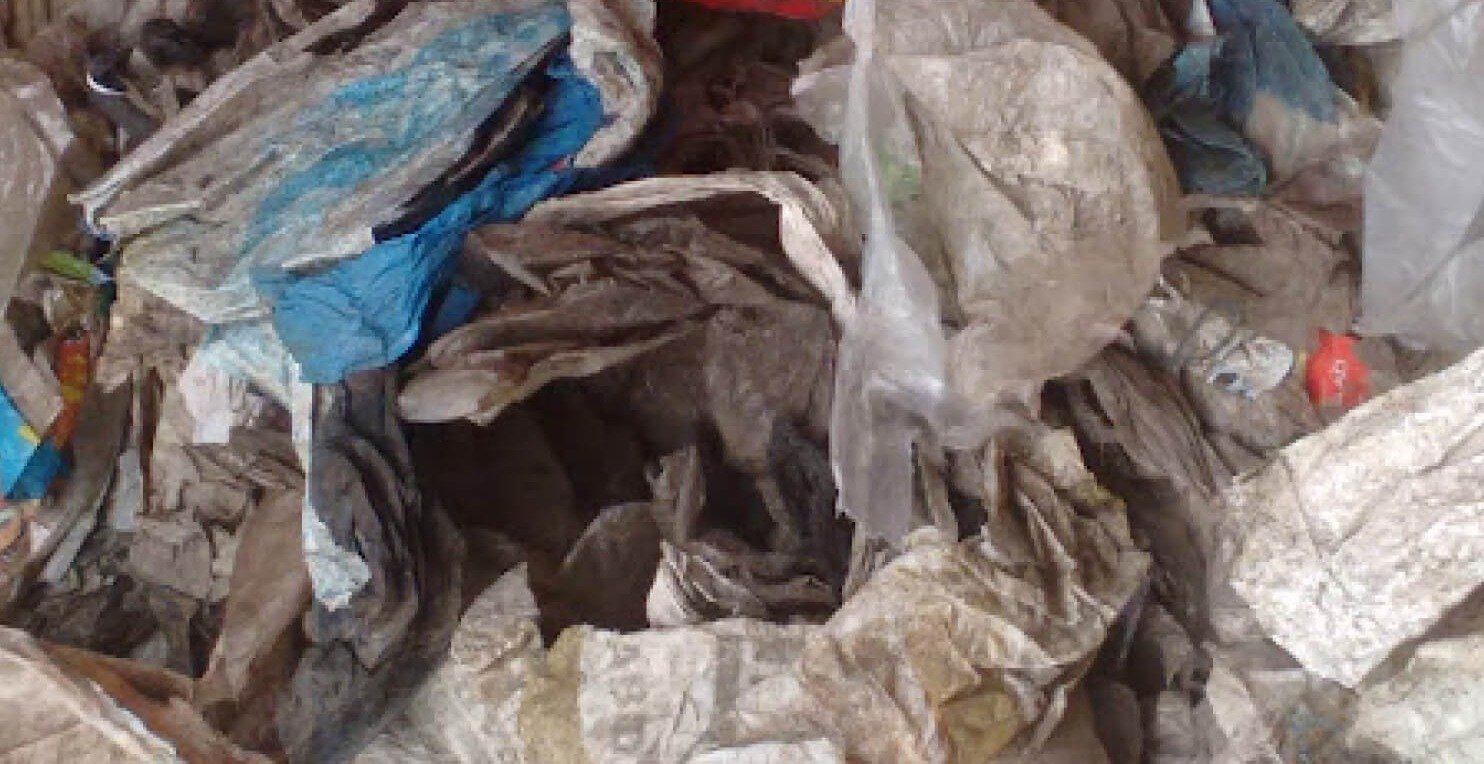
Every day, millions of Indians tear open a packet of chips, a pouch of shampoo, a carry bag from the corner shop — and within minutes, that plastic becomes a problem nobody wants. It cannot go back into the neat recycling loop that handles clean bottles. It is too dirty, too thin, too mixed. So it piles up in landfills, clogs drains, or gets burned. A Chandigarh company spent more than a decade asking a different question: what if that worthless plastic was never waste at all, but oil waiting to be recovered?
PolyCycl, founded in 2016 by Amit Tandon, builds chemical recycling technology that turns low-grade, hard-to-recycle waste plastics back into the building blocks of brand-new plastic. Its flagship system, the ContiFlow Cracker, does not melt plastic into a lower-grade copy of itself. It breaks it down to its molecular building blocks and rebuilds it — a plastic-to-plastic circular economy, in the company’s words, where a single-use bag can be reborn, endlessly, without losing quality.
The plastic nobody else can recycle
India generates around 9.3 to 10 million tonnes of plastic waste every year, and the hardest fraction is the flexible packaging that dominates daily life: polythene bags, pouches, films and food-contaminated wrappers. Mechanical recycling — sorting, washing, shredding and melting — works beautifully for clean, rigid plastics, but the company says it recovers only a small share of this flexible stream, and the output is usually down-cycled into lower-value products, never food-grade material again.
PolyCycl’s answer starts before the reactor. Its PolyOlefinExtract know-how segregates polyolefin plastics from mixed post-consumer and landfill waste streams using waterless, low-cost methods, pulling the usable fraction out of material that would otherwise be buried. That extracted feedstock — the crumpled films and bags most systems reject — is exactly what the ContiFlow Cracker is designed to eat.
A reactor that never stops
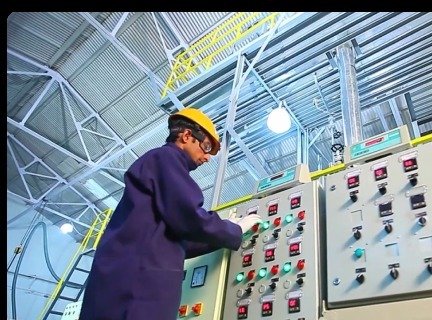
The heart of the system is a fully continuous thermo-chemical pyrolysis process. Where batch pyrolysis plants heat, cool, empty and restart, PolyCycl’s patented AutoCharRemoval technology continuously expels residual carbon char and solids from the reactor while it runs, keeping heat transfer high and the process going around the clock. The company says this continuous architecture is what makes the economics work at industrial scale — and what sets its Generation VI platform, launched in January 2025, apart from earlier generations.
The output is pyrolysis oil — liquid hydrocarbon oil carrying the same molecules that were locked inside the original plastic. But raw pyrolysis oil is dirty: it carries chlorides, hetero-atoms, wear metals and moisture that petrochemical plants cannot accept. That is where the second half of the platform comes in. PolyCycl’s proprietary PyOilClean refining technology purifies the oil through a multi-stage process that avoids expensive hydrogenation, stripping out contaminants until the result is a qualified petrochemical feedstock.
More Read

From waste bags to virgin plastic
The numbers tell the story of a technology that has moved past the laboratory. The company says its process delivers conversion yields of 65 to 75 per cent — roughly 600 to 820 kilograms of hydrocarbon oils from every tonne of plastic recycled — and that its feedstocks have been qualified by multiple petrochemical companies globally for manufacturing virgin-quality circular polymers. Its modular lines each process between 15 and 100 tonnes of waste plastic per day, so capacity grows by adding lines rather than betting everything on one giant plant. The company says capital costs run at one-half to one-fourth of comparable technologies in Europe and the US.
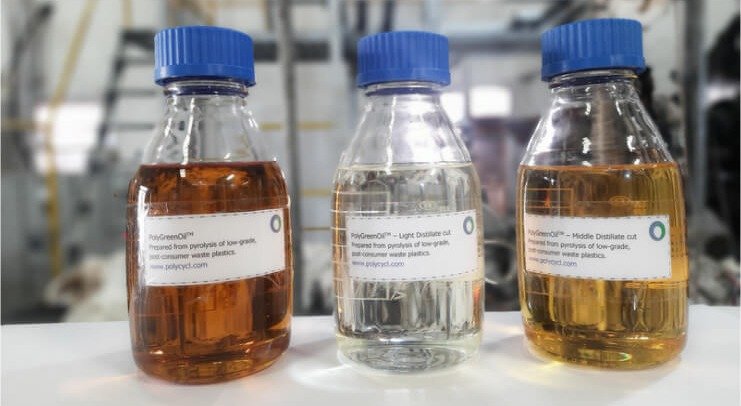
The refined oils, sold under the PolyGreenOil name, go back into the petrochemical chain as feedstock for new food-grade plastics, renewable chemicals and sustainable fuels — as well as drop-in diesel blendstock for industrial furnaces and boilers, and green-chemical building blocks such as BTX. In the company’s framing, the loop closes completely: the plastic you threw away this morning can become the plastic you buy tomorrow, without a single new barrel of crude.
A decade of engineering, now scaling up
The platform behind those numbers was not built overnight. PolyCycl says it represents more than a decade of research and over 150 man-years of development, protected by six international patent grants with more in the pipeline, and a US patent for the ContiFlow Cracker dating back to 2016. Its pilot-demo plant at Chandigarh converts low-grade municipal waste plastics into chemical feedstocks, and the Generation VI platform has been validated through extended continuous operations and product pre-qualification by petrochemical majors, reaching Technology Readiness Level 7.
That maturity is now turning into deployment. The company has a feedstock partnership with Re Sustainability, Asia’s largest integrated waste management company, to build a network of feedstock preparation facilities in India, and a feedstock agreement with UK-based Greenback Recycling Technologies. In January 2026, Rainmatter — the climate and sustainability investment arm of Zerodha — led a Series A investment of Rs 26 crore to fast-track commercial projects with industrial partners. The company says it is looking for deployment from 2026 and has already begun generating small revenue from the sale of hydrocarbon oils.
Beyond the flagship platform, PolyCycl’s research pipeline reaches into even tougher waste streams: solvent-based purification technologies for Tetra Pak packaging, multi-layered plastics and PET, recovering purified polyolefins, PET, polyethylene and aluminium from materials that today have almost no recycling route at all.
India’s plastic problem will not be solved by asking people to use less alone — the bags, pouches and wrappers of daily life are not going away. PolyCycl’s bet is more hopeful: that with the right chemistry, the most worthless plastic in the bin is actually a resource, and that an Indian company can build the machine that proves it, tonne after tonne, at a cost the world can afford.
Keep reading: The Insole That Listens to Your Walk: Inside Oreejoy’s INSTROLE, India’s AI-Powered Gait Lab You Wear · A Drop of Blood, an Answer in Minutes: Inside Rheoheme, the IIT Bombay Startup Screening Anaemia and Sickle Cell Disease · More Chemicals, Materials & Life Sciences stories
Like stories like this? Add Exceptional Technology as a preferred source on Google to see more of our reporting in your search results and Discover feed.