


Every light bulb in your home is already a transmitter waiting to happen. It flickers — far too fast for your eye to see — and in that flicker, a Delhi startup saw the future of the internet. While the rest of the world fights over crowded radio spectrum and digs trenches for fibre, Velmenni asked a simpler question: what if the light itself carried the data?
Velmenni, founded by Deepak Solanki, builds wireless communication systems that send data on beams of light instead of radio waves. Its two technologies — LiFi, which uses LED light indoors, and Free Space Optics (FSO), which uses laser-like optical links outdoors — turn light into a full-fledged alternative to fibre, licensed spectrum and millimetre-wave links. The pitch is disarmingly simple: where fibre is too slow to lay, radio is too interference-prone to trust, and licensed spectrum is too expensive to justify, light just works.
Internet from a light bulb
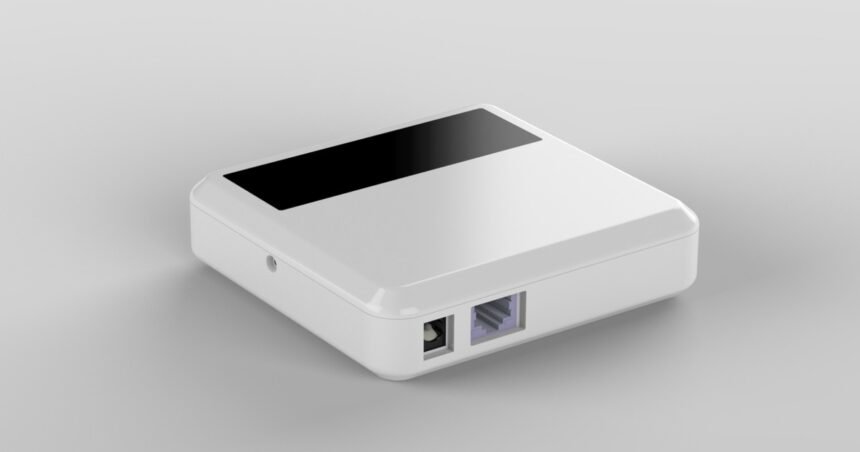
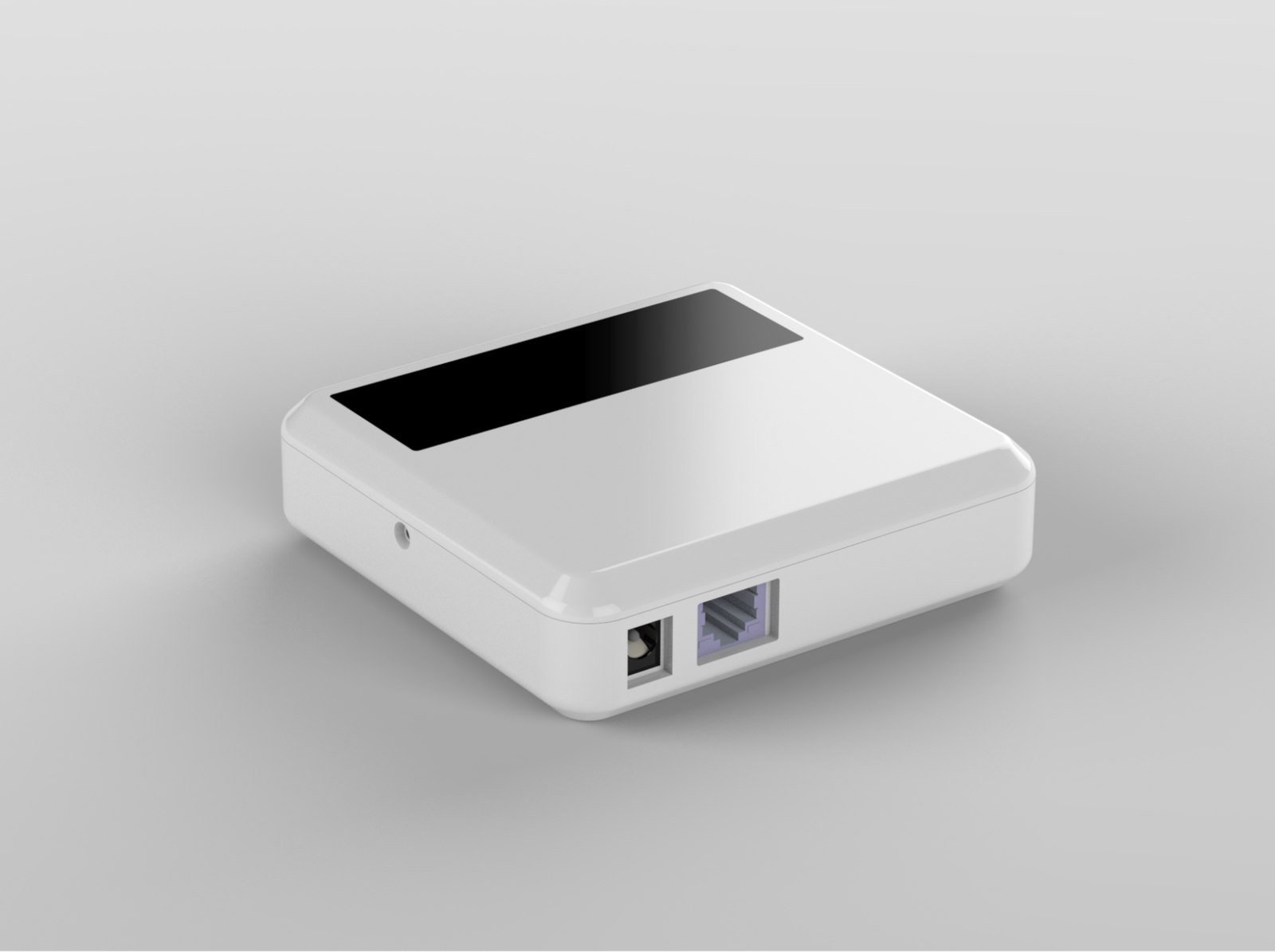
The indoor system is elegantly small. A LiFi access point plugs in between an LED light and its driver, turning an ordinary ceiling light into a wireless access point. A USB dongle on a laptop, desktop or smart device picks up the signal. The company says the indoor link delivers up to 1 Gbps of throughput, supports multiple users under a single light access point, and hands users over seamlessly as they move from one light to the next — just like WiFi, except the carrier is light itself.
Because light cannot pass through walls, a LiFi network is naturally contained: the signal stays in the room it belongs to. The company says that makes it a strong fit for offices, homes and medical environments, where radio interference is a genuine concern and security matters. In a hospital ward full of sensitive equipment, or an office handling confidential work, a network that literally cannot leak through a wall is a feature, not a limitation.
A beam that replaces a trench
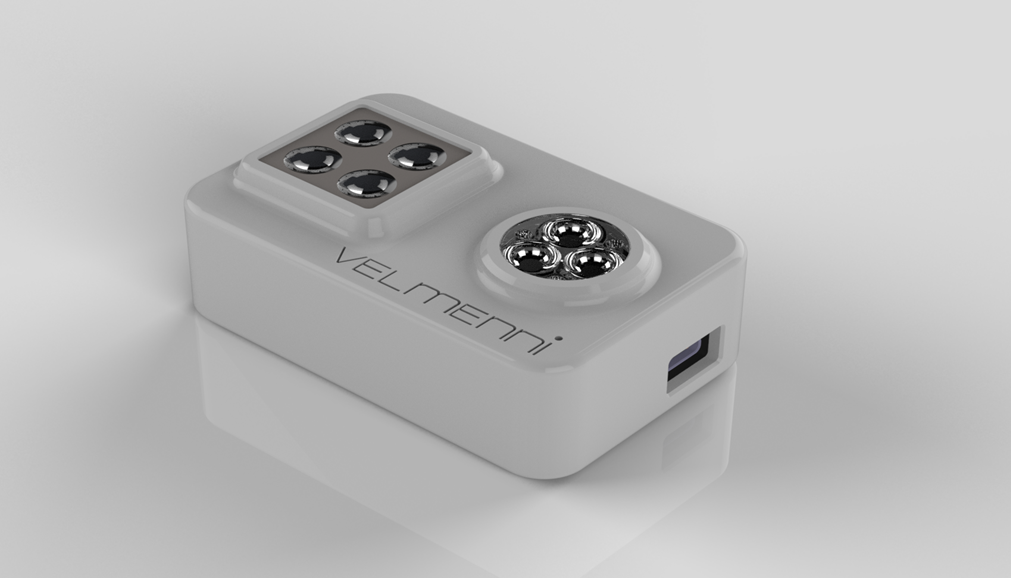
Outdoors, the same idea scales up dramatically. Velmenni’s FSO links fire a beam of light between two points — rooftops, poles, towers — carrying data without a single metre of cable in the ground. The company says its all-weather-tested, 100% Made in India design delivers more than 10 Gbps of seamless connectivity across distances of 1 to 25 kilometres.
More Read
That matters because India’s connectivity bottleneck is often not technology but civil works. Laying fibre means permissions, right-of-way negotiations, digging and delays. A light beam skips all of it: mount two units, align them, and the link is live. For telecom operators rolling out 4G, 5G and fibre-to-the-home broadband, the company says its backhaul links mean faster rollouts and a lower total cost of ownership than fibre, licensed spectrum or millimetre-wave alternatives — with no spectrum licence to buy at all.
Already carrying real traffic
This is not a laboratory curiosity. Velmenni says it has already deployed India’s first commercial carrier-grade FSO backhaul link, supporting a private 5G network at a GMR Group thermal power plant in Odisha. The company has also sold indoor LiFi solutions to the Indian Army, and says it has secured a multi-million-dollar defence deal to deploy FSO across Indian submarines, solving connectivity in harbour environments where conventional wireless struggles.
The government’s innovation arms have backed the work along the way. The company has received Rs 7 crore in grants from the Department of Telecommunications, through its Digital Communication Innovation Square and Telecom Technology Development Fund schemes, and from the Ministry of Defence’s iDEX programme for defence innovation.
The spectrum crunch, answered with light
The timing is no accident. As data demand surges, the radio spectrum that carries WiFi, 4G and 5G is getting crowded — and it is finite. The visible light spectrum, by contrast, is thousands of times broader and entirely unlicensed. Every LED already installed in a building, a streetlight or a factory is potential infrastructure. Velmenni’s bet is that the fastest way to add capacity to India’s networks is not to fight harder for spectrum, but to step outside it entirely.
In March 2026, investors backed that bet at scale. Velmenni raised Rs 30 crore in a pre-Series A round led by pi Ventures, with participation from MountTech Growth Fund-Kavachh and Apekso, to accelerate commercialisation of its patented FSO and LiFi solutions, build customised solutions for defence and enterprise customers, and expand into international markets. The company says the capital follows an earlier seed round of the same size.
From a light bulb in a Delhi lab to a 10-gigabit beam across a power plant, Velmenni has spent more than a decade proving that the most abundant wireless medium of all was hiding in plain sight — overhead, switched on, and waiting to carry the internet. The next time you flick a switch, remember: that light could be doing far more than lighting the room. It could be connecting it to the world.
Keep reading: No Driver, No Tracks, No Downtime: Inside Robonetics, the Chennai Company Teaching Forklifts to Drive Themselves · Built for the Love of Games: Inside ARC’s X1, India’s Own Gaming Handheld · More Industrial Automation & Technology stories
Like stories like this? Add Exceptional Technology as a preferred source on Google to see more of our reporting in your search results and Discover feed.







