Every Indian city knows the same daily ritual: a truck collects the waste nobody wants, drives it across town, and tips it into a landfill that was supposed to be temporary. The waste that cannot be recycled — sanitary waste, contaminated cloth, multi-layer packaging, biomedical consumables — is the hardest part of that journey, and it is the part most likely to end up burnt in the open or buried where it can leach into soil and water. A Bengaluru startup decided the journey itself was the problem, and built a machine that ends it at the source.
That startup is Neo San, founded in 2022 by Dhwaj Bagrecha after years working in urban planning and waste infrastructure. Its idea is disarmingly simple: instead of hauling reject waste away, destroy it safely right where it is made, in a compact machine that fits inside the building that produces it. The company calls it the world’s first decentralised reject-waste incinerator, and its flagship Neo-X is already working in offices, hospitals, schools and factories across India.
The engineering inside the Neo-X is built for speed and control. The company says its rapid, high-temperature electric heating system, based on induction principles, reaches 1,200 degrees Celsius within two minutes, while using just 0.2 units of electricity per burn cycle. At that temperature, the company says, reject waste is reduced to sterile, non-toxic ash, with emissions 98% cleaner than the alternatives it replaces. Every cycle is tracked by IoT monitoring, so each unit reports exactly how much waste it processed and what it emitted — data that feeds straight into a client’s sustainability reporting and carbon accounting.
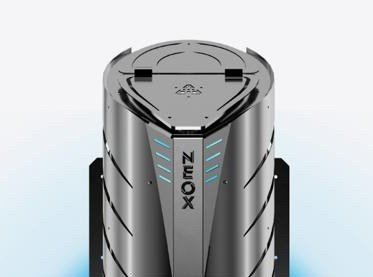 Neo San’s Neo-X, the wall-mounted unit that processes reject waste where it is generated. (Image: Neo San)
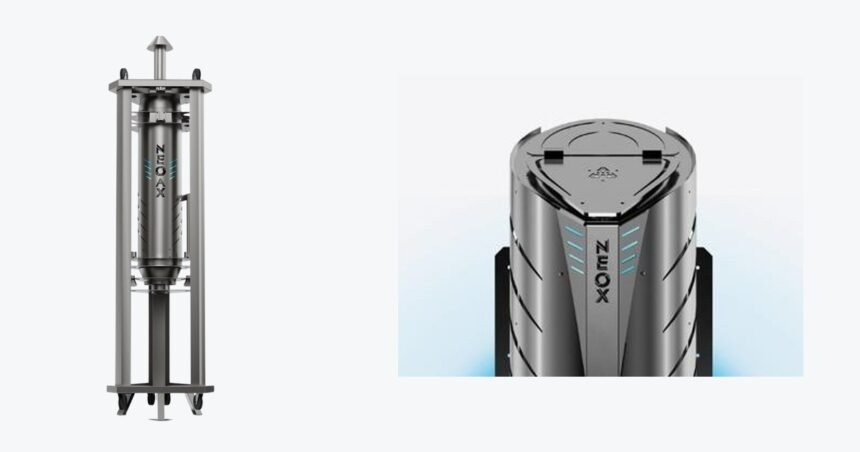
The range scales from a single washroom to a whole industrial estate. The wall-mounted Neo-X, designed for washrooms and standalone commercial buildings, processes up to 25 kg of waste a day. The Neo-XT, built for tech parks, small hospitals and commercial complexes, handles 150 kg a day. And the Neo-AX, the tall industrial unit in Neo San’s line-up, is designed for manufacturing plants processing 500 kg or more a day. Customers can buy the machines outright or take them as a managed service, with Neo San maintaining the equipment and sending regular tracking reports to sustainability teams.
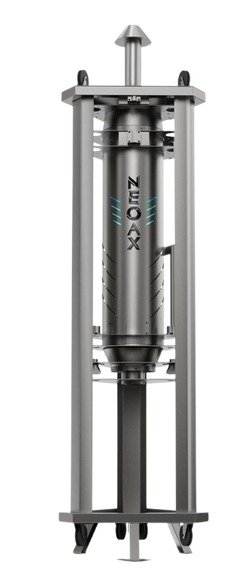 Neo San’s Neo-AX, built for industrial sites processing 500 kg or more of waste a day. (Image: Neo San)
More Read

The numbers behind the machines tell the story of a technology finding its market. The company says more than 200 Neo-X units are already deployed across more than eight cities and municipalities, handling over 235 tonnes of waste and offsetting more than 500 tonnes of CO2. Its clients include the Taj group, Embassy and the Government of Karnataka, alongside factories and data centres, and the company has raised Rs 26 crore in total funding. Two patents for its thermal processing technology have been granted, with 13 more applications pending.
The most human part of the story is playing out in Bengaluru itself. Under SafeDispose Bengaluru, Neo San’s Neo-X units are being deployed phase by phase across government schools, colleges, primary health centres, women’s hostels, government housing and other public buildings, in a World Economic Forum UpLink initiative run with the Greater Bengaluru Authority and the Government of Karnataka. The programme is designed to reach more than 5,000 women, ending the open burning and manual handling of sanitary and biomedical waste at these sites, and giving sanitation workers a dignified alternative to sorting hazardous waste by hand.
Neo San’s next steps stretch the same idea further. Over the next year, the company plans to expand its service operations into four additional states and launch a specialised version of the Neo-XT for biomedical waste processing. It is also developing hub facilities to collect the sterile ash residue and convert it into building briquettes, closing the loop on the last fraction of the waste stream. Named to YourStory’s Tech30 2026 cohort of India’s most promising startups, the Bengaluru company is showing what happens when a city stops asking where its waste should go, and starts destroying it, cleanly, exactly where it is made.
Keep reading: Grip Restored: Inside Anlon’s Cleanjet, India’s First Homegrown Runway Rubber Removal Machine · Printed, Not Built: Inside Tvasta, the Chennai Startup Teaching Robots to Print Houses · More Manufacturing & Engineering stories
Like stories like this? Add Exceptional Technology as a preferred source on Google to see more of our reporting in your search results and Discover feed.