Built for operating rooms as they actually are
Most surgical robots are built for the world’s largest, best-resourced hospitals — vast machines that need vast rooms, dedicated infrastructure and a budget to match. Articulus Surgical, a Bengaluru startup, started from the opposite observation: Indian hospitals, especially outside the biggest metros, work with smaller operating rooms, tighter budgets and very real space constraints, and they deserve robotics designed for that reality rather than adapted from someone else’s.
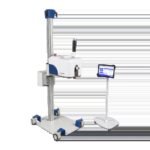
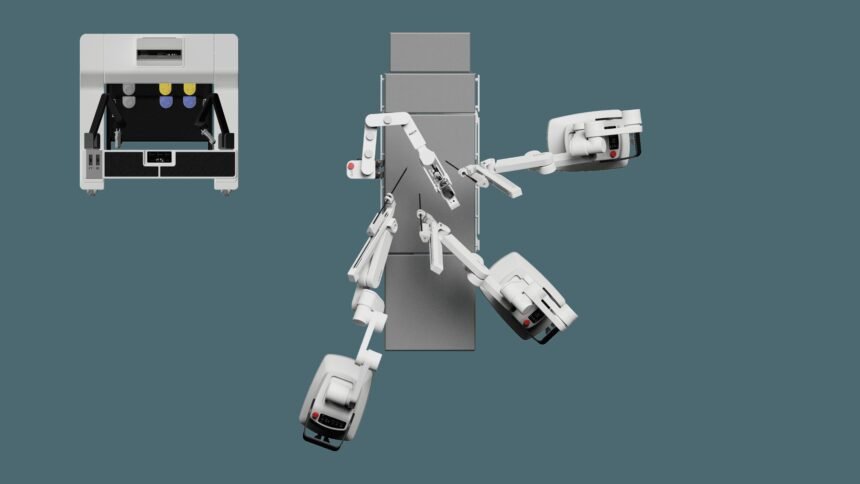
Its answer is Pulsar, a compact, modular surgical robotics platform for minimally invasive soft-tissue surgery. The system is built around three robotic units plus a Galaxi endoscope unit, and the whole setup fits a footprint of roughly two by two feet at the base, standing about four feet tall. It is portable, designed to move between operating rooms, and built to work with a hospital’s existing endoscopes, imaging systems and energy devices rather than demanding a rebuilt theatre.
Precision at millimetre scale
Pulsar is designed for high-volume minimally invasive procedures across general surgery, gynaecology, urology, gastrointestinal surgery and surgical oncology. The surgeon operates from a console away from the patient, guiding robotic arms through very small incisions with 5–8 mm instruments that replicate the movement of the human wrist.
The company’s “operate by wire” approach means the surgeon’s hand movements are translated into precise, stabilised robotic motion, with the system filtering out unintended movements in real time. Each hand controls a separate instrument, and the company says hand movements — orientation, speed and motion — are captured 10,000 times per second. The company says patients typically go home within 24–48 hours after procedures performed with the system, with minimal pain and scars of just a millimetre or two — the quiet payoff of surgery done through the smallest possible opening.
One ecosystem: Pulsar, Galaxi and Nebula
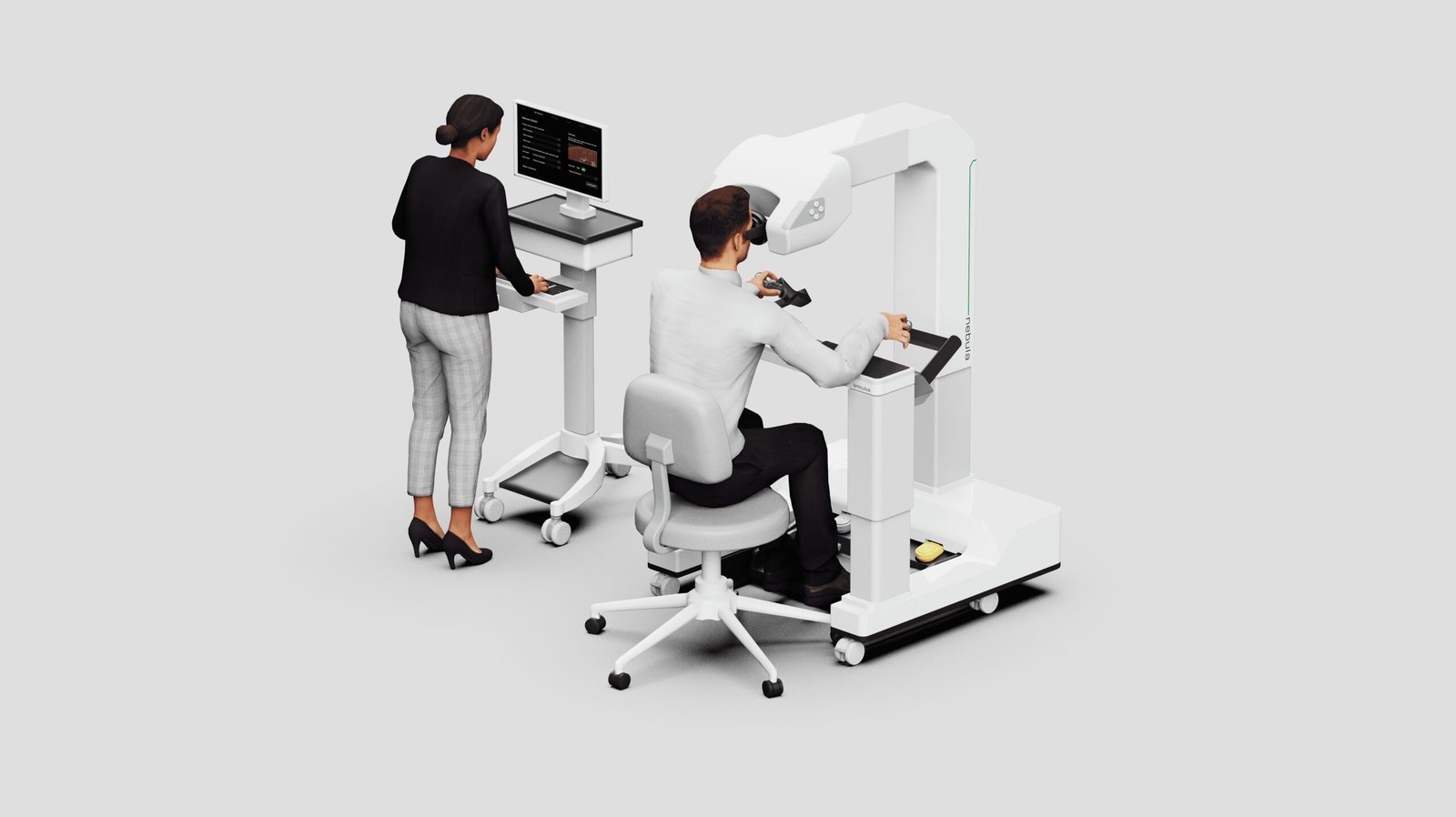
Articulus did not build a single machine. It built an ecosystem that follows a surgeon from training to the operating table. Galaxi is its intelligent surgical optics robot, a semi-robotic camera control system that holds and moves the camera during laparoscopic procedures with steady, enhanced control. Nebula is its robotic training and simulation platform, built around a full surgical console and a virtual environment where medical students and practising surgeons can rehearse procedures before ever touching a patient.
The three systems are interoperable by design, the company says, so training on Nebula, assisting with Galaxi and operating with Pulsar all feel like parts of one journey rather than three separate products.
More Read

Made in India, for Indian hospitals
Articulus was founded in 2021 by Saurya Mishra, who trained in manufacturing and robotics at IIT Kharagpur. The company says it built its technology stack entirely in-house, with 90–95% of components manufactured in India, including 6–8 custom-developed motors in each robot that move in synchrony under a proprietary operating system.
The company runs an R&D facility and a manufacturing unit in Bengaluru, and its early work was backed by a BIRAC BIG grant and the Startup India Seed Fund. In 2024, the company says, its first fully functional Pulsar system became operational and CDSCO granted MD-13 test licences for both Galaxi and Pulsar. Pulsar is now undergoing clinical validation ahead of commercial deployment, while Nebula is already in production and commercial deployment in teaching hospitals and medical colleges.
Bringing advanced surgery within reach
Robotic surgery remains rare in India — the company notes penetration below 1%, against around 5% globally — even though more than 200 million abdominal surgeries take place worldwide every year. Articulus’s bet is that a smaller, modular, India-built system can change that arithmetic, bringing advanced minimally invasive surgery to hospitals that could never house, or afford, an imported giant.
In February 2026, Kalaari Capital led a seed round in the company to accelerate hospital deployments, expand surgeon training programmes and deepen partnerships with hospitals over the following 12–18 months. The goal, as Mishra puts it, is simple and ambitious at once: advanced robotic surgery for every surgeon and every patient, no matter where they live or what their hospital can afford right now.
Keep reading: The Robot That Teaches Patients to Move Again: Inside Rymo Technologies’ Mobi-L · A Pebble on Your Temple: Inside Temple, the Wearable That Reads Blood Flow to the Brain · More Chemicals, Materials & Life Sciences stories
Like stories like this? Add Exceptional Technology as a preferred source on Google to see more of our reporting in your search results and Discover feed.