The brain runs on electricity as much as on chemistry. Medicines work on the brain’s chemical messengers; Marbles Health, a Delhi-based brain-health company, works on its electrical activity — with a wearable headband that gently stimulates the brain while listening to how it responds.
Marbles Health launched EASE 2.0 on 10 September 2026, the company says, the next generation of its portable neuromodulation and EEG treatment ecosystem. It is designed for psychiatrists, neurologists and rehabilitation specialists who want brain-health treatment that is measurable, monitored and data-informed — and it is priced at ₹5 lakh per unit.
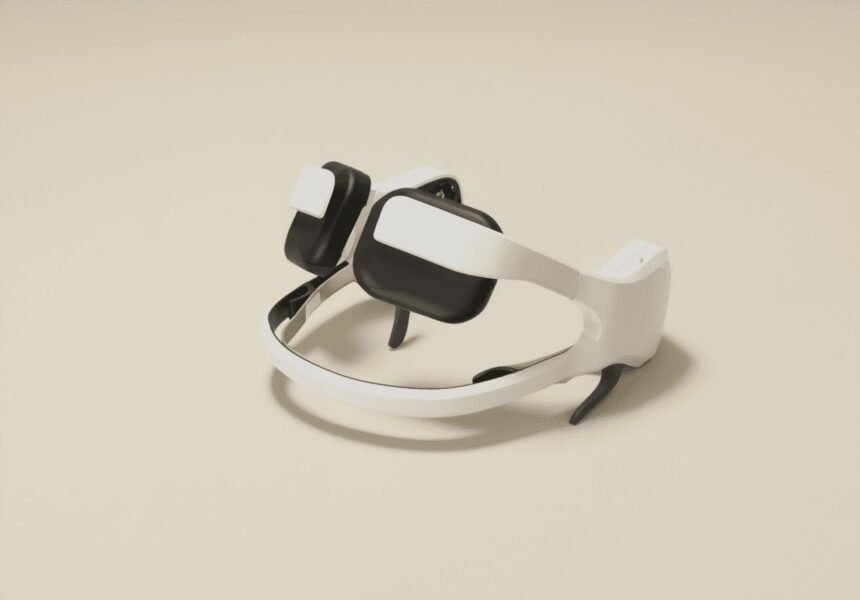
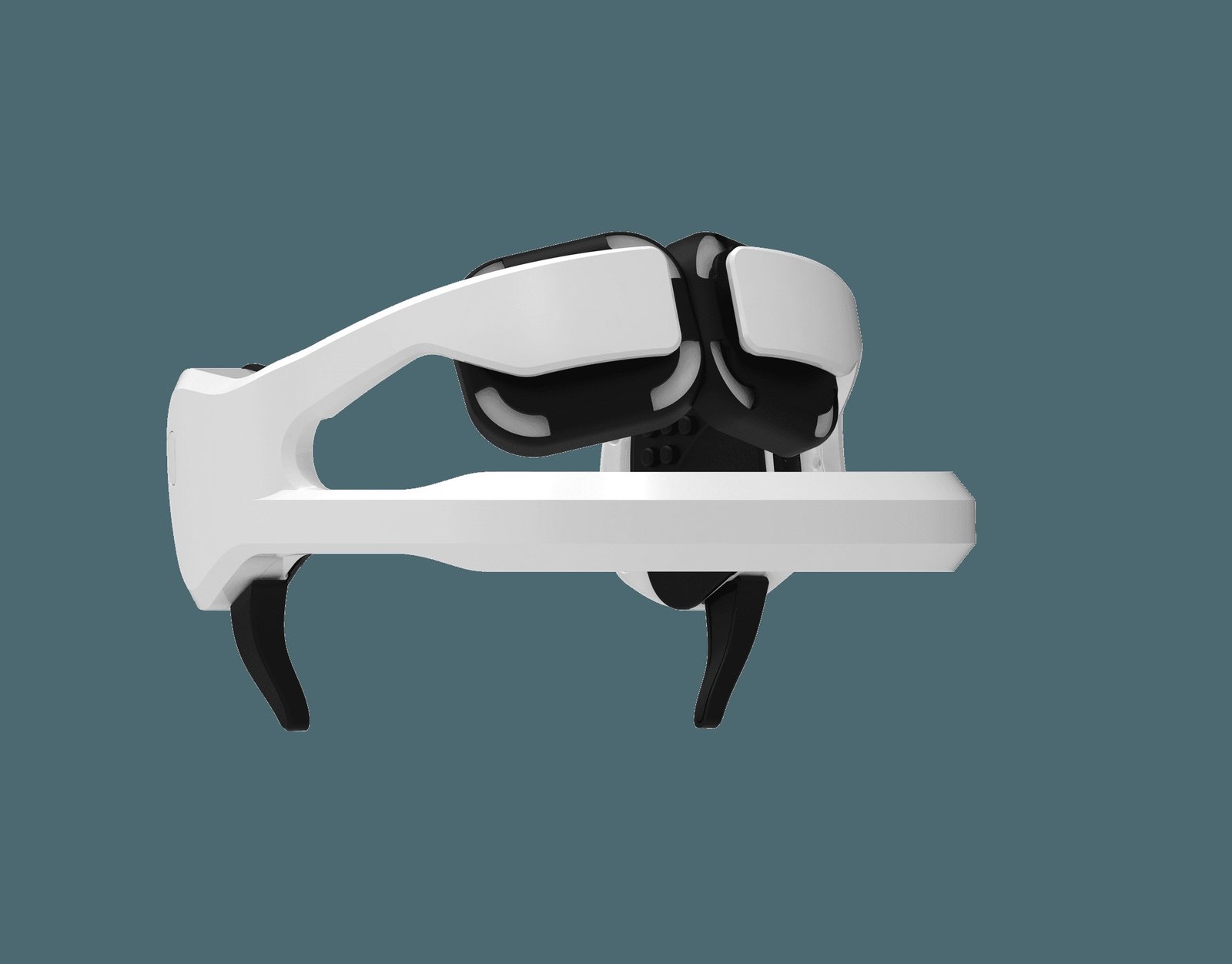
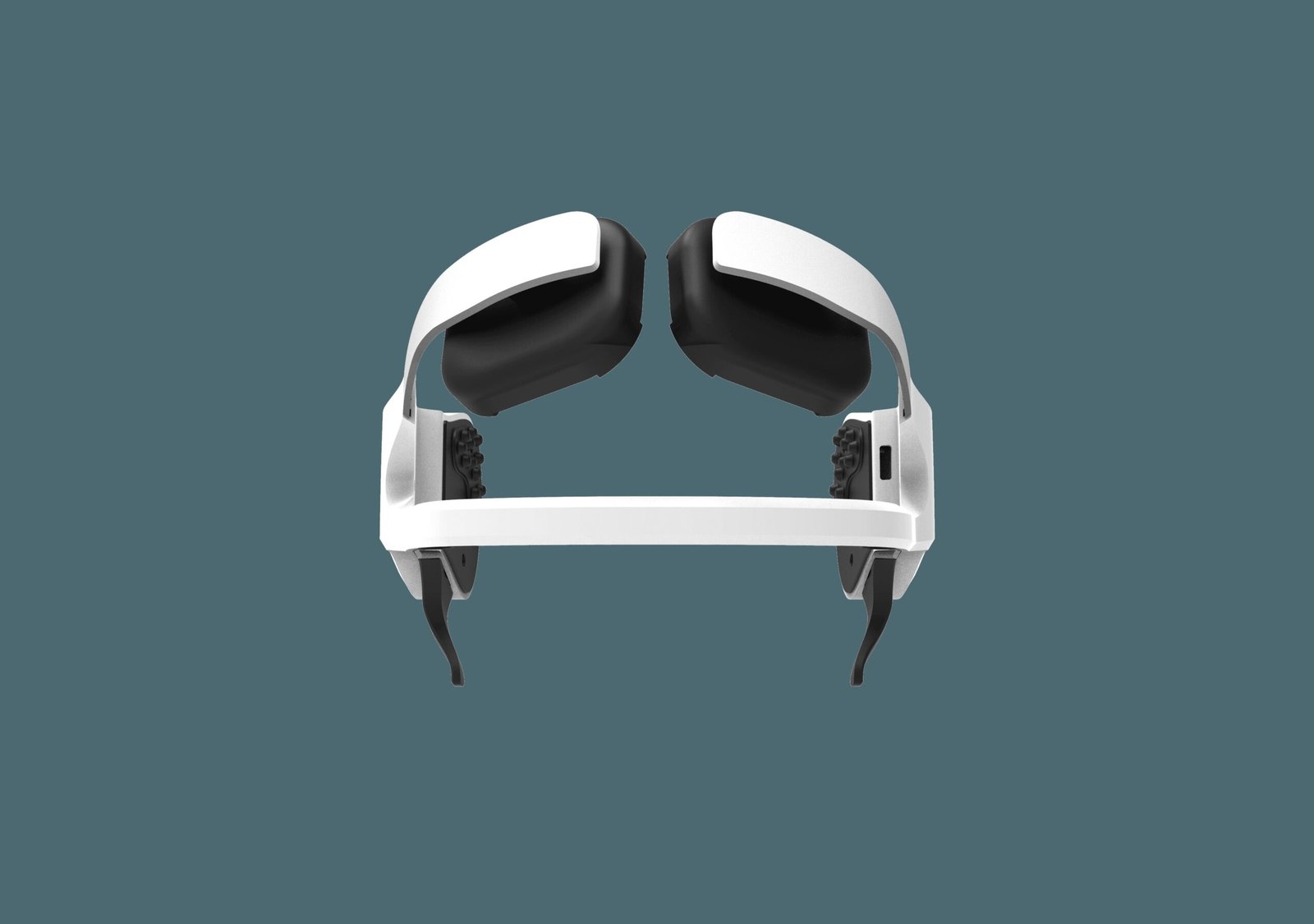
The idea is beautifully simple. A patient puts on the ease headband: the upper part delivers transcranial direct current stimulation (tDCS), a gentle 1–2 mA current, while the lower part reads the brain’s electrical activity with EEG. During the 20- to 30-minute session, the patient completes cognitive-emotional training exercises on a phone or tablet, and the doctor initiates the personalised protocol via Bluetooth. After every session, the doctor receives an EEG report and can track progress remotely on a clinician dashboard.
That closed loop is what sets EASE 2.0 apart, the company says. Where conventional brain stimulation devices deliver stimulation without measuring how the brain responds, EASE 2.0 combines treatment, measurement of brain activity, cognitive-emotional training, reporting and clinician oversight within a single platform. Frontal EEG is recorded before and after every session, and stimulation parameters can be tuned to the individual.
The platform is designed for a broad range of conditions, including depression, anxiety, OCD, addiction, eating disorders, bipolar affective disorder and ADHD-related impulsivity. In the company’s clinical validation study at AIIMS Delhi, patients showed a 63.8% reduction in depression symptoms across 20 sessions, the company says.
EASE 2.0 builds on a foundation that is already working at scale. Patients have completed more than 26,000 sessions on the platform across more than 100 clinics in 16 states, the company says, and EASE is in use at more than 90 hospitals and clinics across India, including Apollo Clinics, AIIMS, Sukoon, Asha Hospital and Mind and Brain Hospital. More than 100 psychiatrists and neuropsychiatrists already prescribe ease, from Delhi NCR to Pune to Hyderabad.
More Read
Everything about the device is homegrown. EASE 2.0 is completely designed and manufactured in India, the company says, built in accordance with more than eight ISO/IEC medical electrical standards, and backed by one granted patent and three filed patents. It is the only CDSCO-approved integrated neuromodulation and EEG treatment ecosystem in India, the company says.
Access is expanding beyond the clinic, too. EASE 2.0 is available through hospitals and clinics across the country, and clinician-supervised at-home services are being offered in five metro cities, where a trained operator carries the device to the patient’s home and runs the session on site. The same treatment can run in a metro hospital, a district clinic or a primary healthcare centre, operated by regular staff under clinician oversight.
“In psychiatry, treatment outcomes have been only partially successful for many patients,” said Dr. Sachin Arora, Consultant Psychiatrist and De-addiction Specialist. “That is why adjunctive, monitored, and measurable brain-health treatments are becoming increasingly important.”
“With the EASE line-up, in combination with medication, we are en route to providing a more complete treatment to a patient: improving efficacy with faster outcomes, in a scalable manner,” said Ramya Yellapragada, Co-Founder and CEO of Marbles Health.
Marbles Health was founded in 2020 by Yellapragada and Lakshay Sahni, who met as fellows of Plaksha University’s Tech Leaders Fellowship. The company is backed by Capital 2B, Whiteboard Capital, former Novartis leaders and a Government of India grant, and its ambition is to establish a new standard of care in brain health — first across India, and then around the world.
Keep reading: See the Sound: Inside AiSteth, India’s First AI Stethoscope · Comfort for the Longest Surgeries: Inside Prodancy, the Bengaluru Startup Building India’s Lightest Surgical Helmet · More Chemicals, Materials & Life Sciences stories
Like stories like this? Add Exceptional Technology as a preferred source on Google to see more of our reporting in your search results and Discover feed.