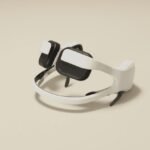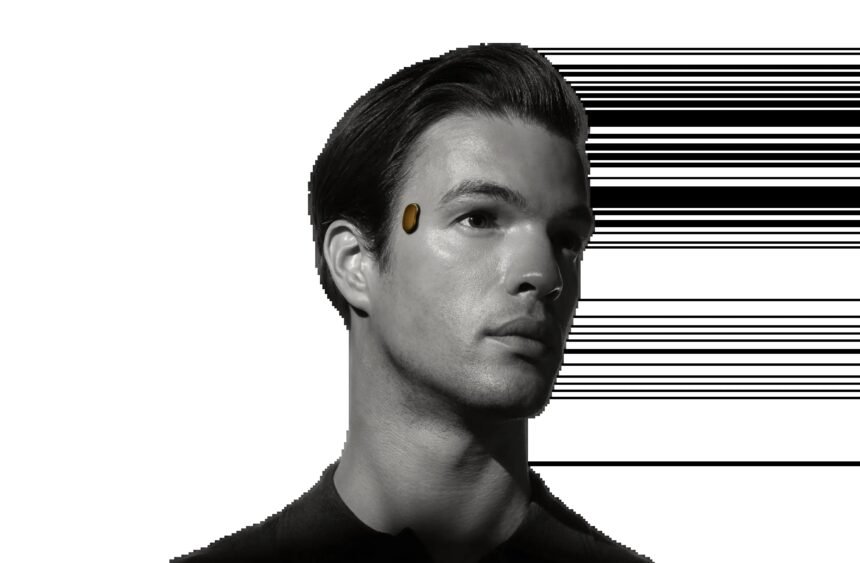
Your smartwatch counts steps, heartbeats and sleep. Temple, the new wearable from Zomato co-founder Deepinder Goyal’s health-tech venture, moves the sensor somewhere no mainstream wearable has gone before — the side of your head — to watch something far harder to measure: blood flow to the brain.
Temple is a small, pebble-shaped device with no screen, no buttons and no vibration alerts. It sits between the forehead and the ear, held in place by single-use adhesive strips the company calls Grips, and sends its readings to a companion app on your phone, where you can review them at leisure.
At its heart is BrainFlow, the company’s optical sensing technology. BrainFlow tracks changes in cerebral blood flow and oxygenation — the movement of blood through the brain — which the company says reflects how the body responds to activity, stress and recovery. Goyal describes BrainFlow as the first continuous, wearable measurement of blood flow to the brain, a signal that has previously only been measured routinely inside specialised medical settings.
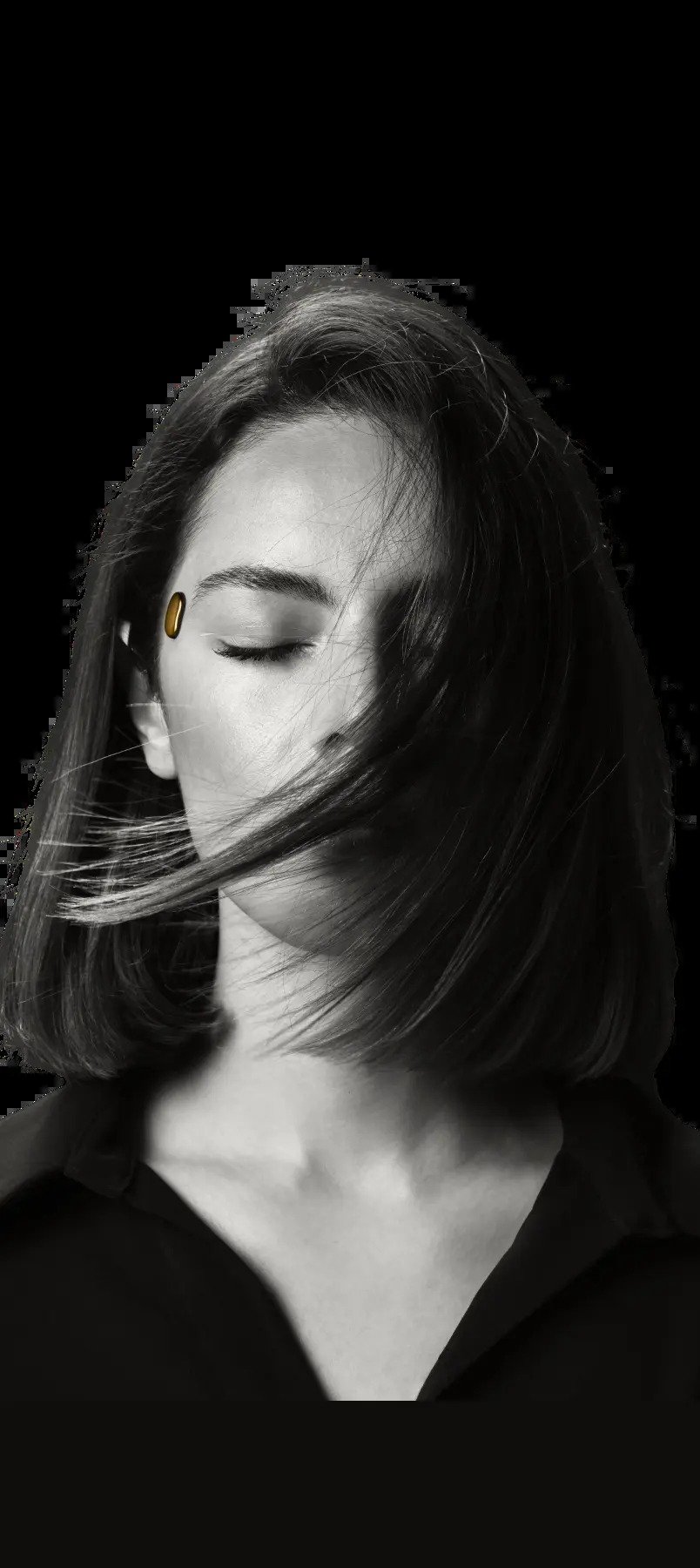
Temple turns that signal into a single number the company calls Entropy. On a scale of 1 to 250, Entropy measures how hard the body is working to shed heat, read from the temple. At rest, it shows the load the body is carrying across many systems — thermal, immune, digestive, cognitive, emotional and recovery among them — and the company calls that figure Resting Entropy. During activity, the highest Entropy sustained near maximum heart rate becomes Entropy Max, and the two combine into Span, one number for how well the body is doing across a wide range of systems. Sleep, exercise, stress and caffeine all feed into the score, the company says.
Behind BrainFlow is a team of scientists the company named in September 2026: Dr Divya Gulati and Dr Sanchit Gupta from the Indian Institute of Science, Bengaluru, Dr Yukti Chopra from SISSA Trieste, and Nitish Kumar from IIT Bombay, with Prof. David Boas, director of Boston University’s Neurophotonics Center, as scientific advisor. The company has shared a validation study comparing BrainFlow against time-domain near-infrared spectroscopy, and Goyal has invited independent researchers to replicate and test the technology.
More Read
Temple is built for everyday life, not just the lab. The company says it can be worn while running, swimming, showering and in the sauna — though not for scuba diving — and is designed to fit under glasses. Each Grip lasts around seven days, with the company recommending a change every two to three days, particularly after heavy sweating or in dusty conditions.
Batch 01 pre-orders opened in India on 1 November 2026, at 9:30 pm, through the Temple app and temple.com. Early-access listings put Batch 01 at ₹85,000, including lifetime access to the software platform and its analytical features. Each unit is made to order, with deliveries expected within about three months of purchase. The launch edition comes in six finishes: True Gold, Rose Gold, Black Mirror, Real Jade, Deep Blue and Purple Funk, with the last three positioned as limited editions.
Temple is designed for wellness and research, the company says, rather than for medical diagnosis — a new kind of personal signal, worn on the temple, for people who want to understand their body beyond the wrist.
Keep reading: Gentle Currents, Measurable Change: Inside Marbles Health’s EASE 2.0 Brain Platform · See the Sound: Inside AiSteth, India’s First AI Stethoscope · More Chemicals, Materials & Life Sciences stories
Like stories like this? Add Exceptional Technology as a preferred source on Google to see more of our reporting in your search results and Discover feed.