Some of the most important machines in India’s energy transition never make headlines. They do not generate power and they do not store it — they steady it, shape it and carry it safely across thousands of kilometres. In Sangli, Maharashtra, one of India’s specialist makers of exactly that equipment has just switched on a factory built for the world’s biggest grid projects.
Quality Power Electrical Equipments Limited has commenced manufacturing operations at its new Global Coil Factory at Kupwad MIDC in Sangli, effective 20 October 2026. The company disclosed the start of production to the stock exchanges under Regulation 30, noting that it coincided with Vijayadashami. Production will ramp up in phases, the company says, as additional lines and infrastructure are commissioned.
A factory built around the coil
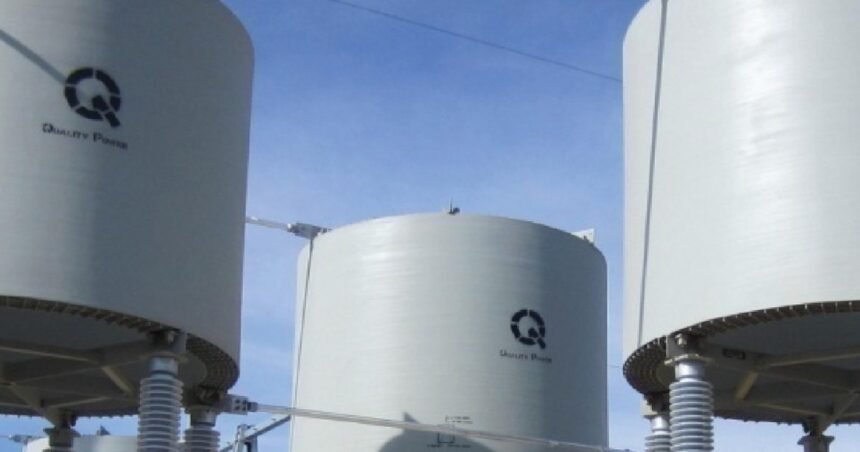
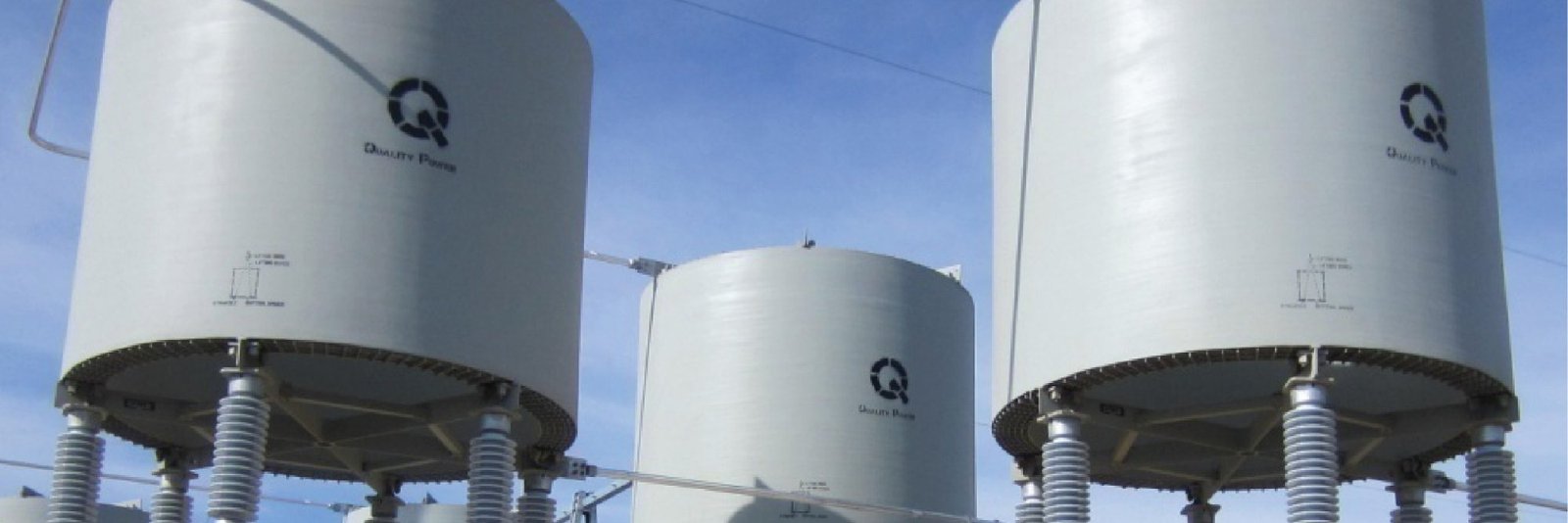
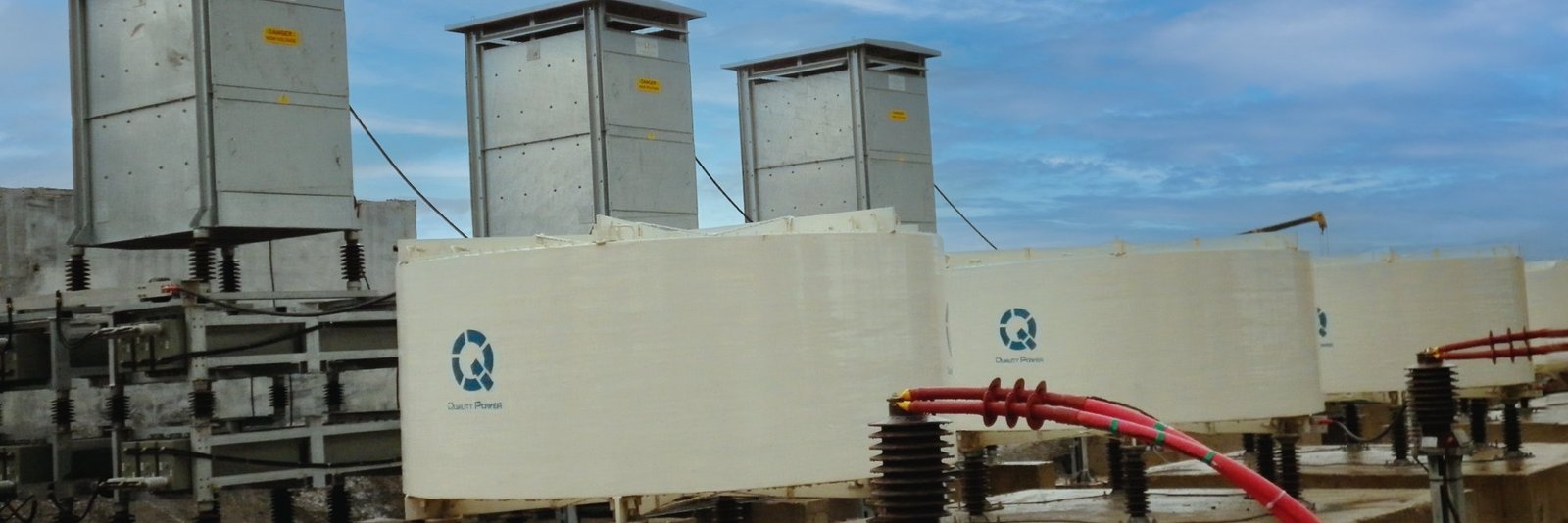
The new greenfield facility is designed to manufacture high-voltage air-core dry-type reactors and specialised coil products for HVAC, HVDC, FACTS and renewable energy integration. Inside, the company says, it brings together advanced coil-winding infrastructure, dedicated high-voltage testing capabilities and integrated conductor processing — including the manufacture of specialised HVDC winding conductors.
That combination matters because a coil factory is not a generic metal shop. Winding a reactor that will sit on a high-voltage link demands precise geometry, clean insulation and testing at voltages far above anything in a home or office. By bringing winding, conductor processing and testing under one roof, Quality Power can take on larger and more complex transmission work from a single site.
What these reactors actually do
Air-core reactors are, at heart, giant coils of conductor with no iron core — a design that avoids magnetic saturation and keeps their behaviour predictable even under fault conditions. In a high-voltage direct current (HVDC) link, the company explains, reactors filter harmonics, limit fault currents, help control voltage and improve the stability of the whole link. In flexible AC transmission systems (FACTS), including STATCOM installations, they perform the same steadying role for alternating current grids: filtering, reactive-power support and protection for converters and other equipment.
Put simply, they are the components that let renewable power — variable by nature, often generated far from where it is used — travel on long, high-capacity links and arrive on a grid that stays stable. As India builds more solar and wind capacity and more HVDC corridors to move it, the demand for exactly this kind of equipment grows with it.
More Read

From Sangli to grids around the world
Quality Power, founded in 2001 and headquartered in Sangli, describes itself as a technology-driven maker of high-voltage equipment and grid-connectivity solutions across generation, transmission, distribution and automation. Its portfolio spans reactors, transformers, line traps, instrument transformers, capacitor banks, converters, harmonic filters and reactive-power compensation systems such as STATCOM and SVC.
The company’s own project history shows the range its equipment already serves: HVDC reactors installed at the Jeju interlink in South Korea, filter reactors for an offshore wind project in the United States, thyristor-controlled reactors for Jordan, harmonic filter banks for projects in Kuwait and Saudi Arabia, and 765 kV line traps supplied to Power Grid Corporation of India. As of March 2024, the company reported 210 customers, including power utilities, industrial users and renewable energy companies.
A quarter that shows the momentum
The Sangli start-up came alongside a strong set of results. On 2 November 2026, the company reported consolidated revenue of Rs 285.45 crore for the second quarter of FY27, up 38.7 percent year on year, profit after tax of Rs 63.33 crore, up 80.1 percent, and a consolidated order book of approximately Rs 2,010 crore as of 30 September 2026. The company also reported that a power conversion systems facility in Türkiye began operations on 16 October 2026, making power-electronic converters and inverters for utility-scale battery energy storage systems.
For a company from a Maharashtra town better known for jaggery than for high-voltage engineering, the Global Coil Factory is a statement of ambition: Sangli-made coils, wound and tested to the standards of the world’s largest grid builders, heading out to HVDC and FACTS projects in India and abroad. The green grid of the next decade will be built from many such unglamorous, indispensable parts — and this factory exists to make one of the most important of them at scale.
Keep reading: From Ambala to Odisha: Inside Saatvik’s 1.3 GW Solar Module Plant · From Modules to Cells: Inside Rayzon Solar’s 5.1 GW TOPCon Plant, India’s Next Step in Solar Self-Reliance · More Energy & Power stories
Like stories like this? Add Exceptional Technology as a preferred source on Google to see more of our reporting in your search results and Discover feed.