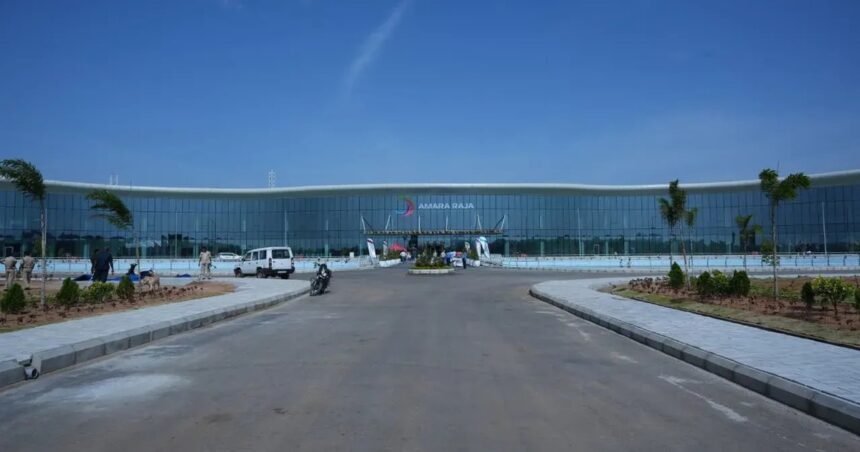
Picture a sprawling manufacturing corridor in Telangana, where battery packs already roll off the line and the next building on the campus will make the cells themselves — the heart of every electric vehicle and every grid-scale battery. On 2 November 2026, Amara Raja Energy & Mobility took its biggest step yet towards that future, with its wholly owned subsidiary approving a ₹2,320 crore investment to expand battery-pack capacity and build a new lithium iron phosphate (LFP) cell plant at its Amara Raja Giga Corridor.
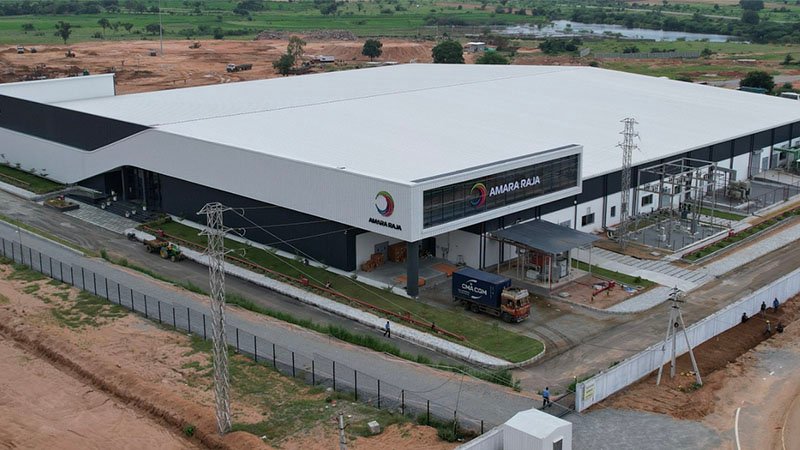
Amara Raja’s battery manufacturing facility at its Giga Corridor in Telangana.
The approval, given by Amara Raja Advanced Cell Technologies, will lift battery-pack manufacturing capacity from 4 GWh to 9 GWh — an addition of 5 GWh — and establish the LFP cell plant at the Giga Corridor in Divitipalli, Mahbubnagar, Telangana. The company says the facilities will be established within 30 months, financed through a mix of equity and debt.
Why cells matter most
A battery pack is only as strong as the cells inside it, and cells are the part of the supply chain India has long imported at scale. By adding its own LFP cell manufacturing, Amara Raja is moving from assembling packs around bought-in cells to making the electrochemical heart of the battery at home. LFP — lithium iron phosphate — is the chemistry the company has chosen for this plant, a technology it already knows well through its licensing agreement with Gotion, which covers LFP cells in both cylindrical and prismatic formats.
That shift matters far beyond one factory. LFP cells power electric two-wheelers and cars, buses, telecom backup and large energy-storage systems, and a domestic source gives Indian vehicle makers and storage developers a supplier close at hand, with shorter supply lines and a manufacturing base built for Indian conditions.
More Read

A corridor built in stages
The new investment sits inside a much larger plan. The company says the Giga Corridor is a ₹9,500 crore programme targeting up to 16 GWh of lithium-ion cell capacity by around FY30, with pack capacity growing alongside it. The programme has already been moving in stages: a ₹500 crore Customer Qualification Plant, with 60 MWh of capacity, was commissioned at the Giga Corridor in July 2026 to make cells in cylindrical and prismatic formats across multiple chemistries for customers to test and validate ahead of commercial production.
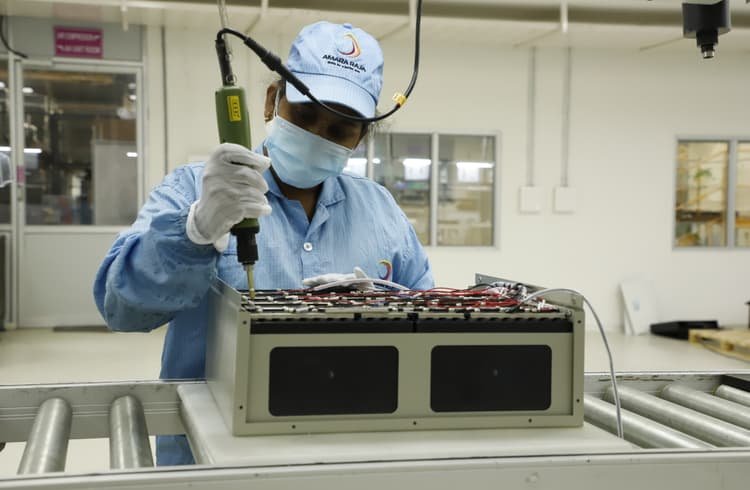
Battery pack assembly at Amara Raja’s Giga Corridor facility.
The company says commercial production from its first 2 GWh Giga 1 facility is expected in mid-2027, and that its cumulative investment in the advanced-cell subsidiary had already reached ₹2,100.01 crore by 30 September 2026. Each stage — qualification plant, then gigafactory, then the new LFP plant and expanded pack lines — turns the corridor from a plan on paper into a working, scaled-up battery ecosystem.
From Amaron to advanced energy
Amara Raja is a name Indian drivers already know: headquartered in Tirupati, the company built its reputation on Amaron and PowerZone batteries for automotive and industrial use. Its Energy & Mobility roadmap carries that manufacturing strength into a new era, with the Giga Corridor designed as an integrated ecosystem for lithium-ion cells, packs and emerging energy technologies.
The ₹2,320 crore approval is the latest, largest step on that road — more pack capacity, a home-grown LFP cell plant, and a Telangana corridor growing towards 16 GWh. It is India building the batteries its electric future will run on, cell by cell, in its own factories.
Keep reading: From Kakinada to the World: Inside AM Green’s 1.5 MTPA Green Ammonia Project · 40% Smaller, 20% Faster: Inside Luminous’s PIXEL, the Inverter Built for Modern Indian Homes · More Energy & Power stories
Like stories like this? Add Exceptional Technology as a preferred source on Google to see more of our reporting in your search results and Discover feed.