
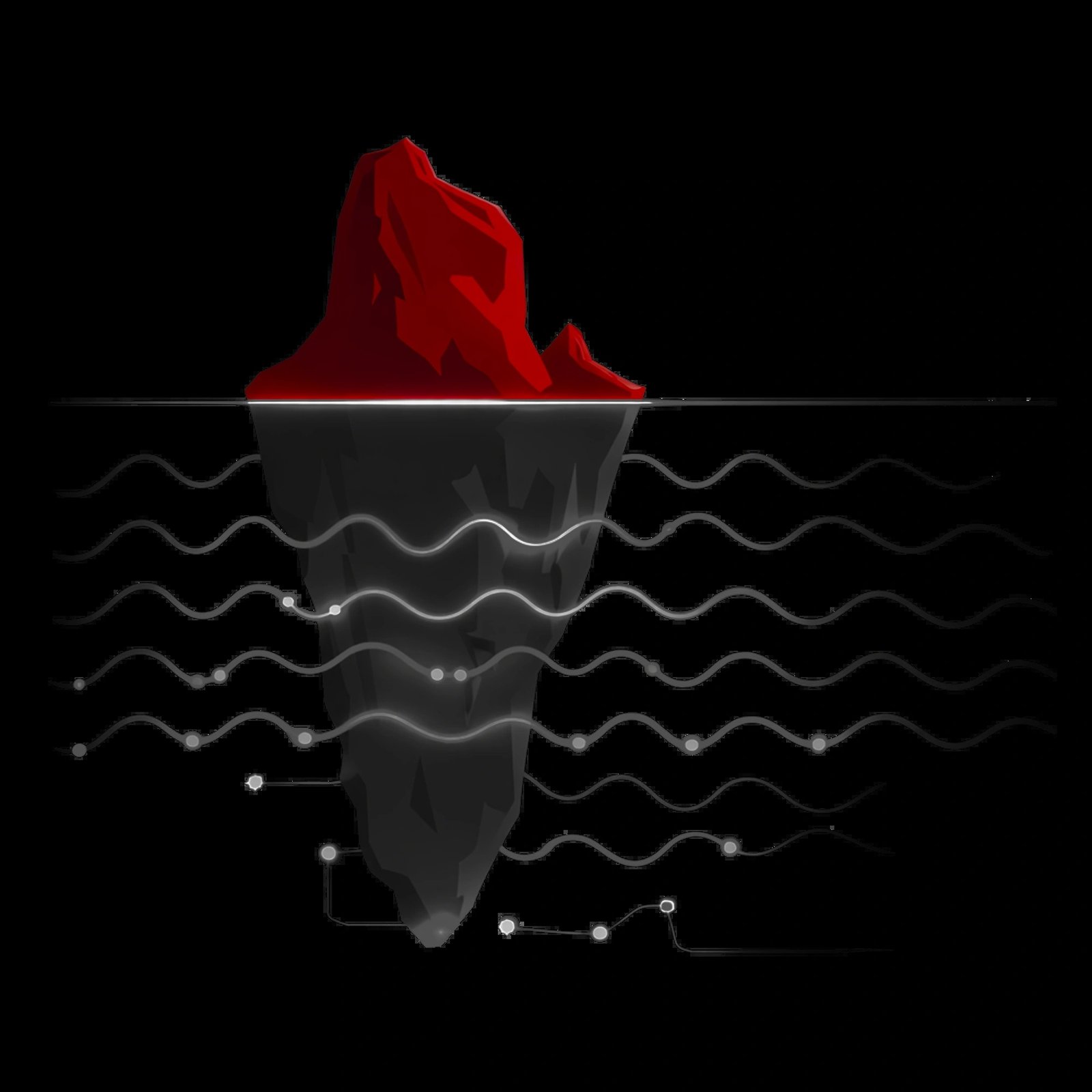
Every day, in corners of the internet most of us will never see, cybercriminals are planning their next move — trading stolen passwords in Telegram groups, listing hacked company data on dark-web leak sites, and quietly probing networks for a way in. The companies under attack usually find out when it is already too late. In Bengaluru, a cybersecurity startup decided to flip that order: watch the attackers first, and warn the defenders before the attack lands. That startup is FalconFeeds.
FalconFeeds is a real-time cyber threat intelligence platform built by Technisanct, a company founded in 2018 by Nandakishore Harikumar and Rakesh Aikkara. It tracks the people behind cybercrime — ransomware gangs, state-backed hacking groups, hacktivists, data brokers and the middlemen who sell initial access into corporate networks — and turns what they say and do in the open, deep and dark web into early warnings for the organisations they are targeting.
From manual hunting to a machine that never sleeps
The company began in February 2018 as Technisanct, a big-data cybersecurity firm. In its early days it worked as a consultancy for prominent Indian brands, and gathering leaked data was slow, manual work — researchers combing forums and chat groups by hand while the clock ticked on every breach. Nandakishore, a threat-intelligence specialist from Mavelikara in Kerala, saw the gap clearly: by the time a leak was found by hand, the damage was often done. The answer was to build a platform that could do the watching automatically, at a scale no human team could match.
That platform became FalconFeeds. Today it collects, enriches and correlates billions of signals every day from the surface web, the deep web and the dark web, from its own sensors and from global CERT networks. The company says the platform issues more than five million actionable alerts a month, monitors over 1.5 million dark-web pages and 50 million deep-web chats, and maintains profiles on more than 19,000 active threat actors, with over 9,000 new indicators of compromise emerging every day.
Watching the hunters
What sets FalconFeeds apart is that it follows the attackers, not just the attacks. Instead of waiting for a security system to log an incident, the platform monitors thousands of adversaries at once — their infrastructure, their tactics and the tools they use — so a threat can be spotted while it is still being planned. Its campaign module follows hacktivist groups on Telegram to uncover their motives and targets. Its ransomware analytics watch dark-web leak sites and underground forums in real time, flagging early talk of targeting a specific hospital or the sale of credentials for a medical network, so the organisation can close the gap before encryption begins.
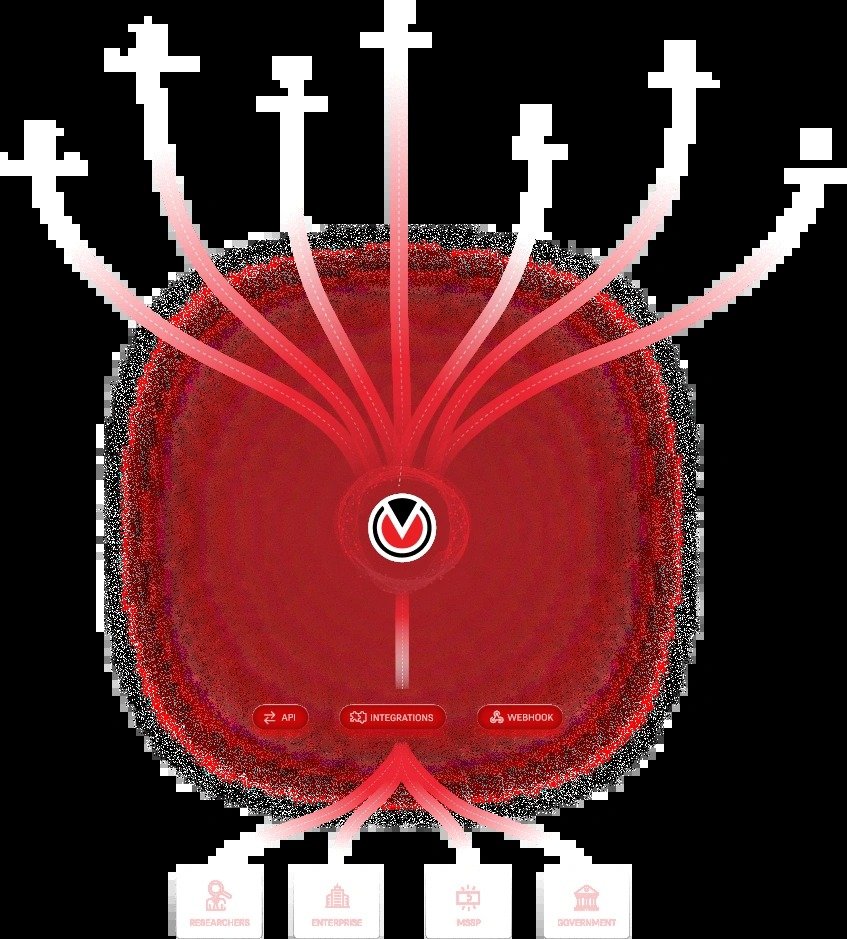
The platform also lays traps of its own. Its Honeypot-as-a-Service deploys decoy systems — fake servers, databases and industrial control systems — that attract real attackers and record exactly how they behave, turning live attacks into fresh intelligence. Every interaction is parsed, scored and correlated by the company’s AI models, then exported in standard formats into the security tools teams already use, from Splunk and Sentinel to Elastic and QRadar. A dedicated app on Splunkbase plugs the feed straight into Splunk, one of the world’s most widely used security platforms.
More Read

From Bengaluru to the world
The watching has travelled far beyond India. The company says FalconFeeds now serves more than 200 customers, including governments, corporate giants and Big Four firms, across more than 55 countries, with its strongest footprint in Europe and the United States. Its global headquarters is in Indiranagar, Bengaluru, with offices in Kochi, London and Delaware, and it has drawn investment from IIT Kanpur — a strong vote of confidence in its research foundations.
Recognition has followed. In August 2026, FalconFeeds won a NASSCOM Emerge 50 award in the Cybersecurity, Quantum & Digital Trust category, placing it among India’s most promising deep-tech companies. Then, on 18 September 2026, it signed a memorandum of understanding with the UAE Cybersecurity Council at the Dubai World Trade Centre, in a ceremony attended by the council’s chairman, Dr Mohamed Al Kuwaiti. The agreement covers the mutual exchange of threat intelligence on emerging cyber threats, joint defence operations, investigative guidance during cyber incidents, and shared cyber exercises, workshops and expert working groups — an Indian startup’s intelligence now flowing into the defence of another nation’s digital borders.
The company also trains the next generation of defenders, with threat-intelligence courses covering everything from the MITRE ATT&CK framework and the Cyber Kill Chain to hands-on tools like Maltego, Shodan and VirusTotal.
Why it matters
India is one of the most targeted countries in the world for cyberattacks — the company says it ranks second only to the United States in infiltration by threat actors. Every hospital, bank, factory and government office in the country is a potential target, and the attackers only need to succeed once. FalconFeeds matters because it changes who sees the attack coming: instead of defenders learning about a breach from the damage it leaves behind, they can learn about it from the chatter that precedes it. A small team from Kerala and Bengaluru built a watchtower over the darkest corners of the internet — and now the world’s defenders, from corporate security teams to a national cybersecurity council, are looking through it.
Keep reading: The Chip That Learns as It Works: Inside HrdWyr, the Bengaluru Startup Building AI-Native Silicon for the Physical World · The AI Eyes Watching Over India’s Freight Wagons: Inside Sarva Suvidhaen’s WagonEye · More Industrial Automation & Technology stories
Like stories like this? Add Exceptional Technology as a preferred source on Google to see more of our reporting in your search results and Discover feed.