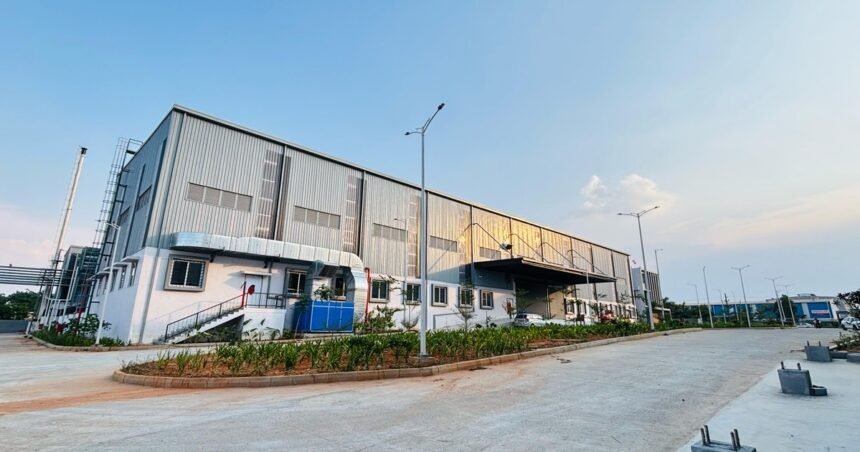
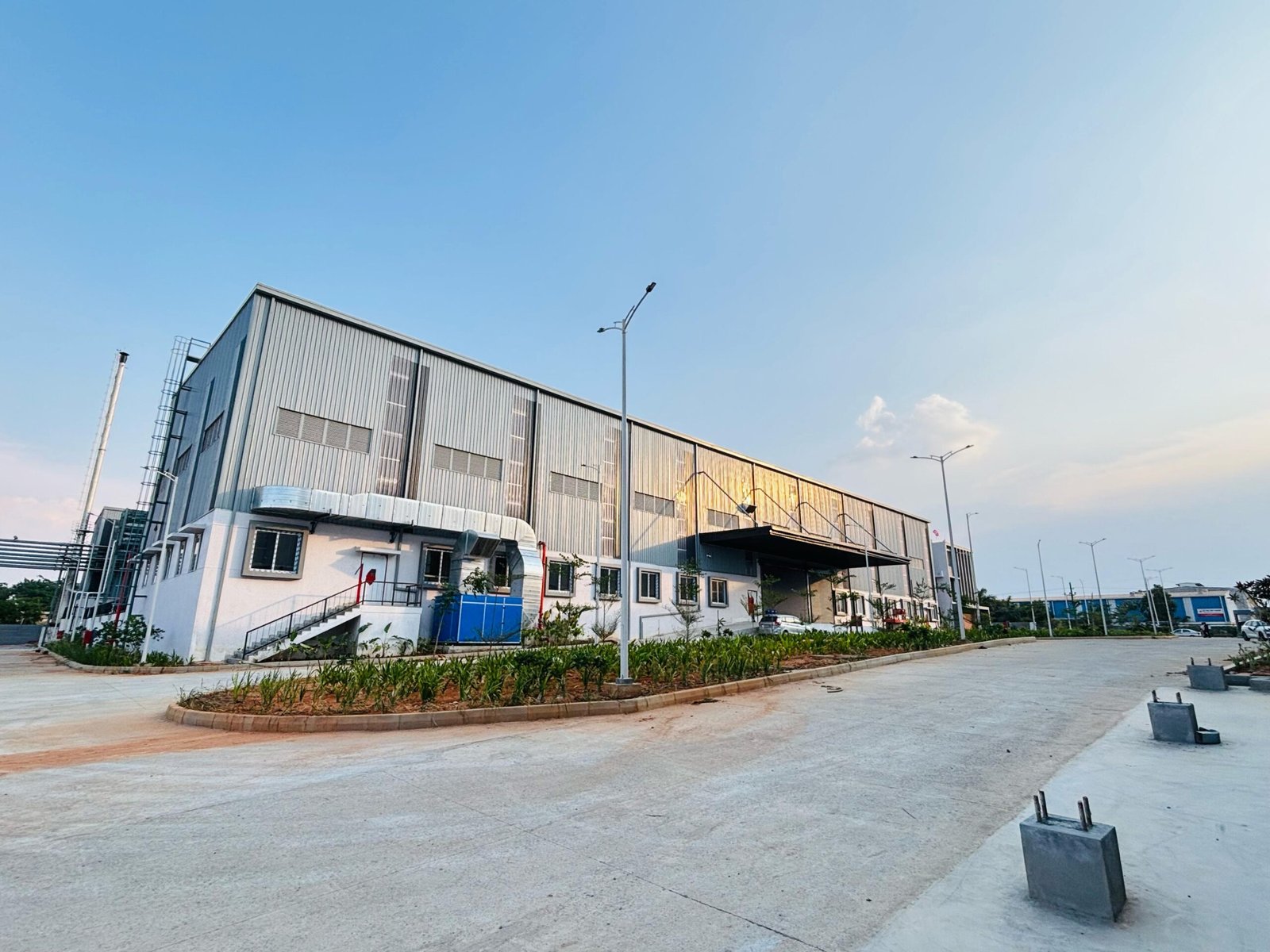
Methane is the climate problem nobody can see. It leaks from rice paddies, cattle farms and rotting waste, and pound for pound it traps far more heat than carbon dioxide — nearly a third of all warming since the Industrial Revolution, by one widely cited estimate. In Bengaluru, a company called String Bio looks at that same invisible gas and sees something else entirely: a raw material. The company feeds methane to specially chosen microbes, and the microbes turn it into protein for animal feed, biostimulants that help crops grow, and ingredients for human nutrition — all inside a 220,000-square-foot gas-fermentation facility near Bengaluru that the company says is the first of its kind in India.
String Bio began in 2012, when co-founders Dr Ezhil Subbian and Vinod M.L. Kumar set out to answer a deceptively simple question: what if one of the most harmful greenhouse gases could be turned into something useful and valuable? Subbian, who trained in industrial and biotechnology engineering at Anna University in Chennai before a PhD in molecular biology and biochemistry in the United States, brought more than two decades of experience in biobased product development to the idea. The first few years were spent on the hard science — gas fermentation is, in the company’s own telling, high-risk innovation — but the team kept building, from lab to demo to pilot to commercial scale.
The platform: SIMP
The heart of the company is SIMP, the String Integrated Methane Platform. It is a proprietary gas-fermentation system that brings together synthetic biology, chemistry, process engineering and manufacturing, so that a single platform can produce a whole family of products from the same feedstock. The process, as Subbian describes it, works much like brewing: methane is collected and cleaned, then fed to tiny microbes called methanotrophs inside fermentation tanks. The microbes eat the methane and grow — and as they grow, they make the useful things String Bio harvests and processes into finished products.
The platform is protected by a deep wall of intellectual property. The company holds a US patent for its processes for fermenting and purifying value-added products from gaseous substrates, and says it has 15 patents granted and more than 40 applications filed around the world. That IP is what lets one platform serve such different markets: agriculture, food and beverages, animal nutrition and carbon.
From gas to protein
String Bio’s flagship protein ingredient is PRO-DG, a fermentation-made feed ingredient the company says contains more than 70% crude protein, with a favourable amino-acid profile, low fat and the minerals animal diets need. The company introduced its first protein product at the Hello Tomorrow Global Summit in Paris in 2017, and the protein is in commercial use in animal feed today, with work under way to refine it for human nutrition. The idea is a direct answer to a growing global squeeze: as demand for meat rises fastest in Asia, the world needs protein that does not need more farmland, more soy or more fishmeal to produce.
The commercial momentum is real. The company closed a $20 million Series B round in 2022, employs between 201 and 500 people, and its work has been featured by the World Economic Forum — which profiled the methane-to-food story in a video in October 2026 — and recognised in the Startup Policy Forum’s 100 Desi DeepTechs cohort. String Bio is also a member of the Global Methane Initiative, and Biocon founder Dr Kiran Mazumdar-Shaw has praised the team for building “an innovative gas fermentation platform from India for global markets”.
More Read

In the field: CleanRise and Impakt
While the protein story looks to the future, String Bio’s agricultural products are already working in Indian fields. CleanRise, a patented foliar microbial biostimulant, and Impakt, a peptide-based biostimulant, have been used by farmers since 2018. The company says close to 1,000 farmers across 11 states now use the products across more than 30 crops — paddy, maize, wheat, tomato, potato, soybean, groundnut and more — and that field trials have shown yield increases of up to 40%, with rice showing a 33% increase in grain yield and an extra Rs 20,000 to Rs 30,000 of profit per hectare in paddy.
The evidence is now travelling beyond India. In December 2025, String Bio completed its first CleanRise field trial in Vietnam with the Cuu Long Delta Rice Research Institute, in the Mekong Delta during the Summer–Autumn season. The trial showed a 12% improvement in grain yield while maintaining yields with 25% less nitrogen fertiliser, and the institute’s scientists noted that the product fits Vietnam’s national One Million Hectare Low-Carbon Rice Program. The company says earlier Indian studies showed CleanRise cutting methane and nitrous oxide emissions from paddy by up to 50%.
The climate maths
That last number is where String Bio’s story turns from a clever manufacturing trick into something much bigger. Methane is roughly 80 times more potent than carbon dioxide as a greenhouse gas, and much of India’s methane comes from the very fields where CleanRise is sprayed. The company says that even at just 5% market penetration, its rice solution alone could offset around 30 million tonnes of carbon emissions a year — the equivalent, in the company’s telling, of taking several million cars off the road. It is a neat inversion of the usual climate story: the farm stops being only a source of emissions and becomes part of the solution, while the farmer gets healthier crops and better yields at the same time.
What String Bio is building, at its core, is a new kind of Indian factory — one where the workers are microbes, the raw material is a gas the world is trying to get rid of, and the output ranges from the protein in animal feed to the biostimulant on a paddy field in Karnataka or the Mekong Delta. It took more than a decade of patient science to get there. Now the fermentation tanks are running, the products are in farmers’ hands, and the gas that once only warmed the planet is being put to work.
Keep reading: The Liquid Cornea: Inside Pandorum, the Bengaluru Biotech Growing Human Tissue in a Lab · The Tomato That Became Leather: Inside Bioleather, the Indian Material Turning Farm Waste Into Fashion · More Chemicals, Materials & Life Sciences stories
Like stories like this? Add Exceptional Technology as a preferred source on Google to see more of our reporting in your search results and Discover feed.