Every winter, the smoke from burning crop stubble drifts across north India, and every winter the country counts the cost in choked lungs and wasted harvest. In Bhubaneswar, two sisters looked at those same fields and saw something else entirely: not waste to be burned, but the raw material for a battery.
Nexus Power was founded in August 2020 by identical twin sisters Nishita Baliarsingh and Nikita Baliarsingh, MBA graduates from the Xavier Institute of Management in Bhubaneswar. The idea came to them late in 2019, over a conversation about how unsustainable the batteries inside every electric vehicle really are — scarce materials, fire risk, and a recycling problem nobody had solved. Then the COVID-19 lockdown arrived, and with time on their hands at home, they started experimenting. A line in their grandfather’s old biochemistry book suggested proteins could work as battery electrolytes. Their first kitchen experiments used chickpeas and kidney beans as electrodes, and the crude cell they built produced five volts — enough to prove the idea was real.
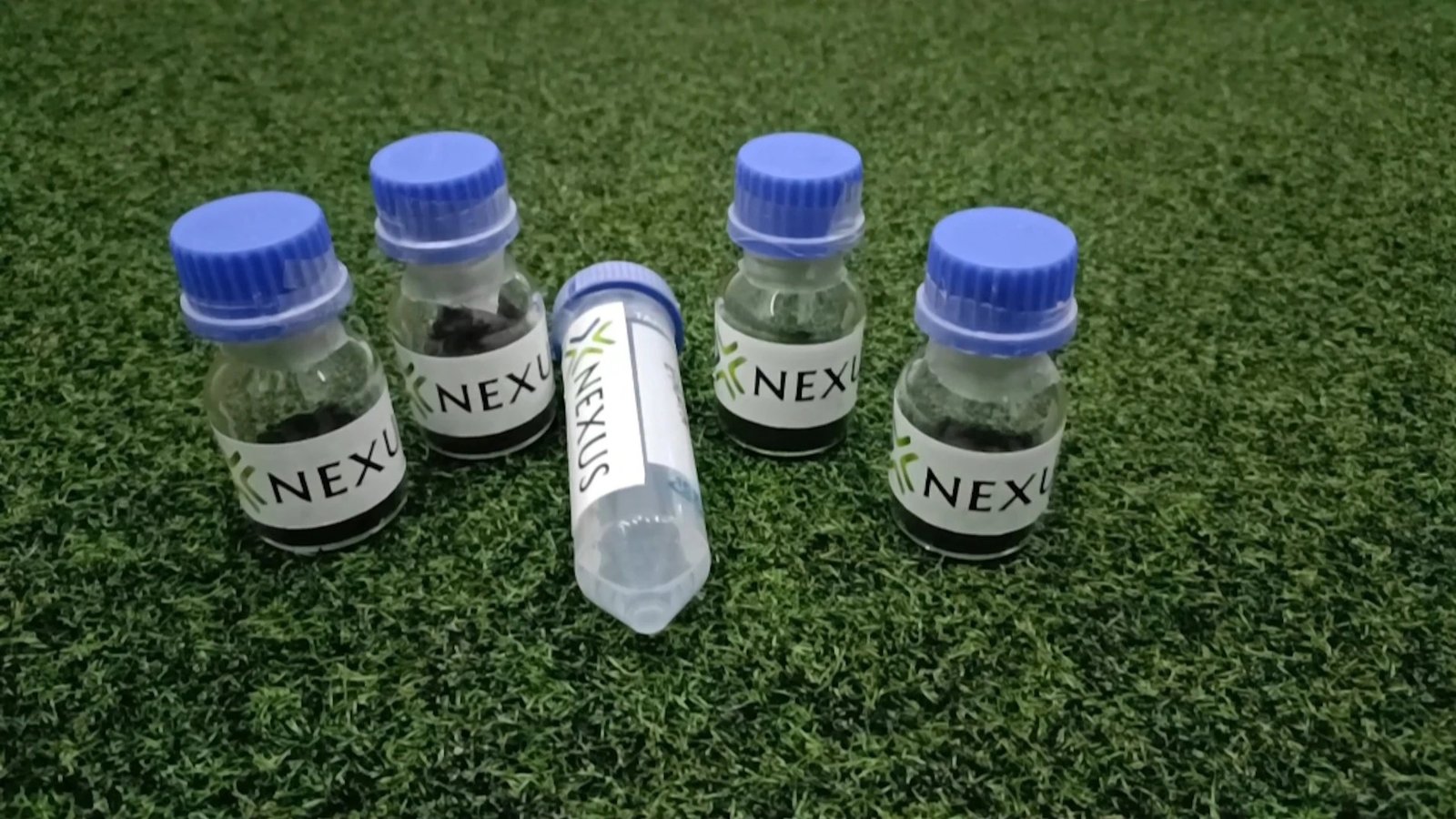
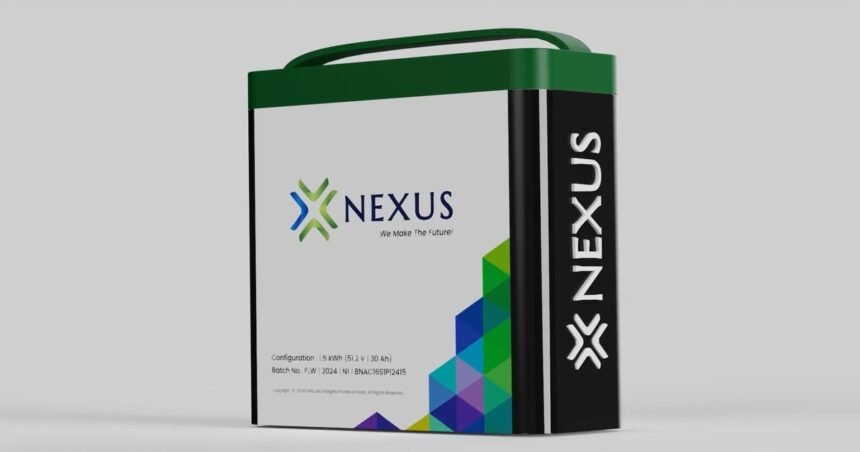
What they build today is a Peptide Crystal battery: rechargeable, bio-organic and fully biodegradable, made without a gram of lithium. Crop residue — rice, wheat, maize and groundnut stalks — is filtered, extracted and synthesised into the battery material, and the company develops both the anode and the cathode in-house, adding bio-material salts to a standard electrolyte. The elegant part is what they did not change. Nexus builds its cells in standard pouch and cylindrical formats, and the layering and crimping are the same as in a conventional battery factory, so the chemistry drops straight into the manufacturing lines India already has. The company says a Nexus battery can directly replace a lithium battery without changing the system around it.
The numbers the company reports are striking. It says its cells match lithium iron phosphate (LFP) performance, lasting 1,800 to 2,000 charge cycles — roughly four and a half to five years — with up to 25% better energy density than comparably sized batteries of other types, and charging that is faster than the lithium cells they replace. At commercial scale, the company expects its batteries to cost 30 to 35% less than lithium alternatives, thanks to raw material that is abundant and cheap. And when a Nexus battery finally reaches the end of its life, there is no toxic legacy to manage: once separated from its casing and wiring, the cell material is essentially old leaf and plant matter, and the company says it can simply be composted, or broken down in a lab under alkaline conditions in seven to eight hours.
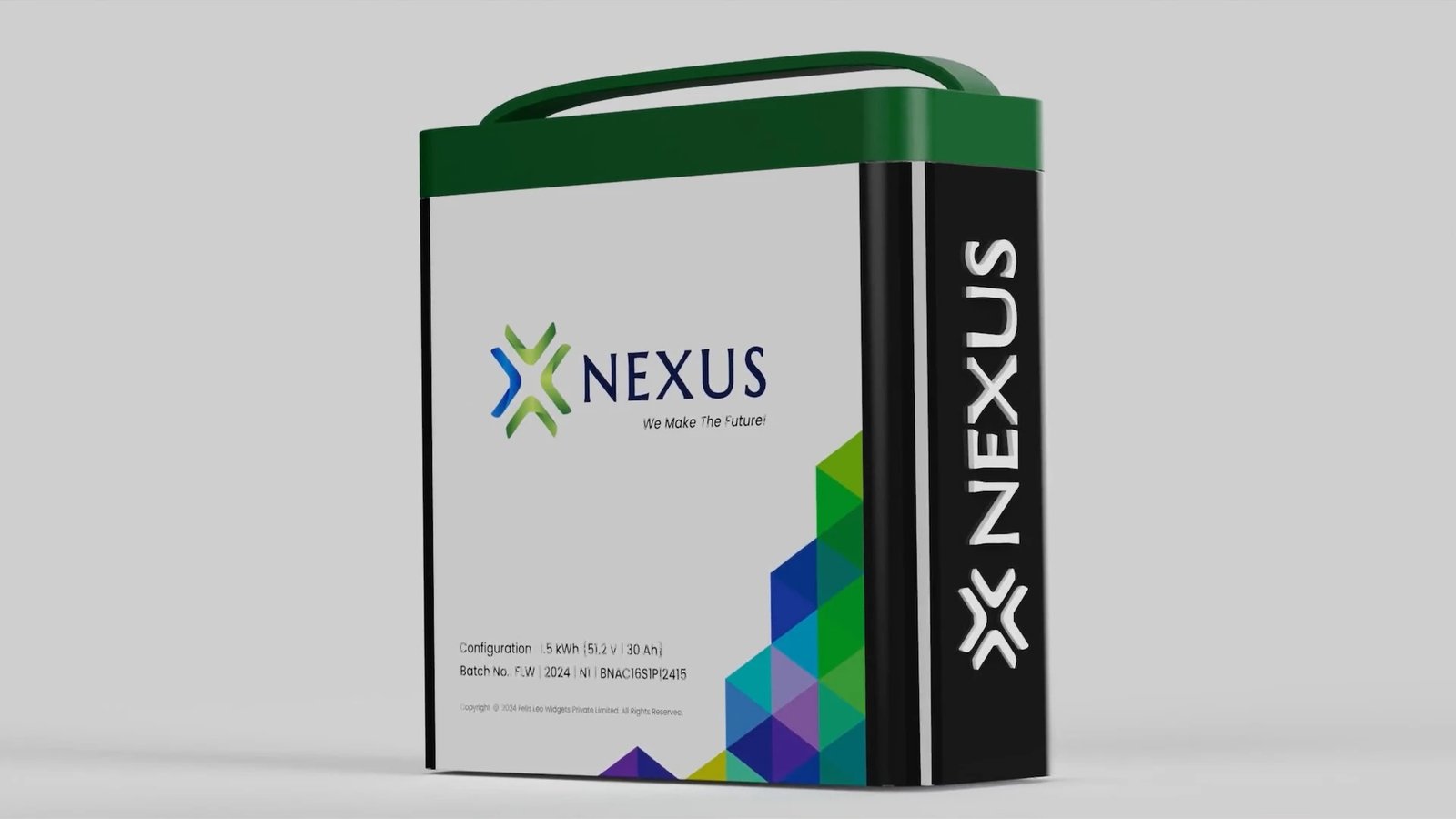
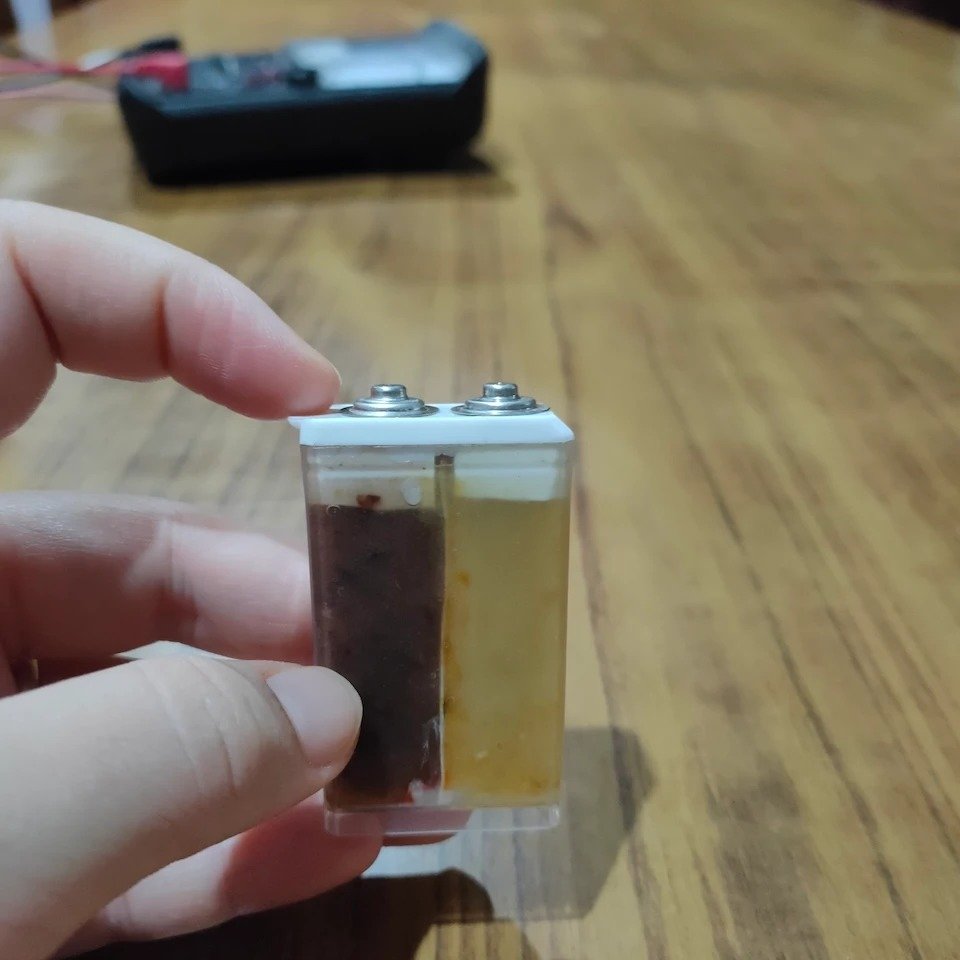
The work is moving from the lab toward the road. Nexus runs a pilot manufacturing line at its Bhubaneswar headquarters, where a team of 30 to 40 people — including PhD and postdoctoral researchers — handles material synthesis, cell layering and testing. Its 2W/3W EV battery pack is already in vehicle and motor testing, and has been tried in an electric two-wheeler with local partners. Pilot trials are under way with vehicle makers across India, and the company has built and tested a dozen battery prototypes. The wider footprint is already visible: the company says it has upcycled 35 tonnes of crop waste and worked with more than 300 farmers, putting Rs 4.5 lakh directly into rural hands. A pilot plant of around 100 MWh is planned, with ambitions to scale toward 1 GWh as certifications come through. The technology is listed at technology readiness level 5 by its incubator, KIIT Technology Business Incubator, with seven Indian patent applications filed.
The backing has followed the science. Nexus has received grants from Startup Odisha, the Ministry of Electronics and Information Technology, the Department of Biotechnology and BIRAC, and investment from the JITO Angel Network, while the sisters have been named to Forbes’ 30 Under 30 list. The market it is aiming at is enormous: two- and three-wheeler EVs, golf carts, and stationary storage for solar and wind plants, plus battery storage systems and UPS applications. For a country that today imports almost all of its lithium cells and then wrestles with what to do with them, a battery that begins in an Indian field and returns to the soil is more than a clever chemistry trick — it is India making its own energy storage, on its own terms.
More Read

Keep reading: UPI for Electricity: Inside Pulse Energy, the Bengaluru Startup Letting Farmers Sell Sunshine on WhatsApp · Inside TREX Energy, the Hyderabad Startup Building the Batteries for India’s Clean-Energy Future · More Energy & Power stories
Like stories like this? Add Exceptional Technology as a preferred source on Google to see more of our reporting in your search results and Discover feed.