


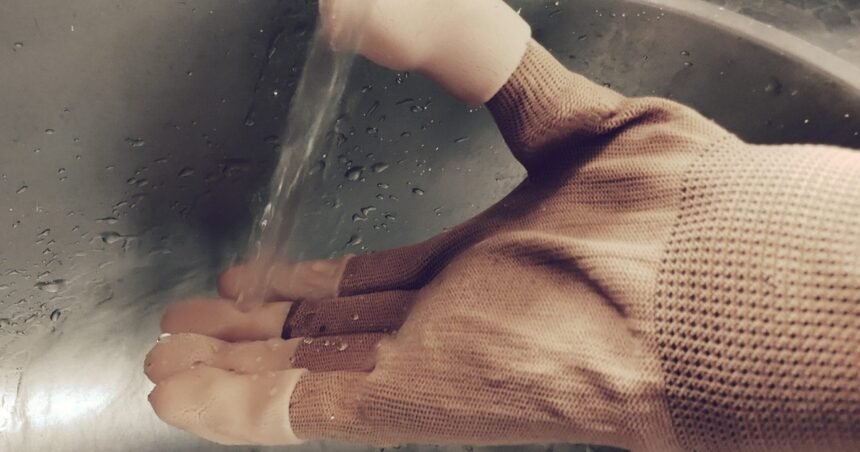
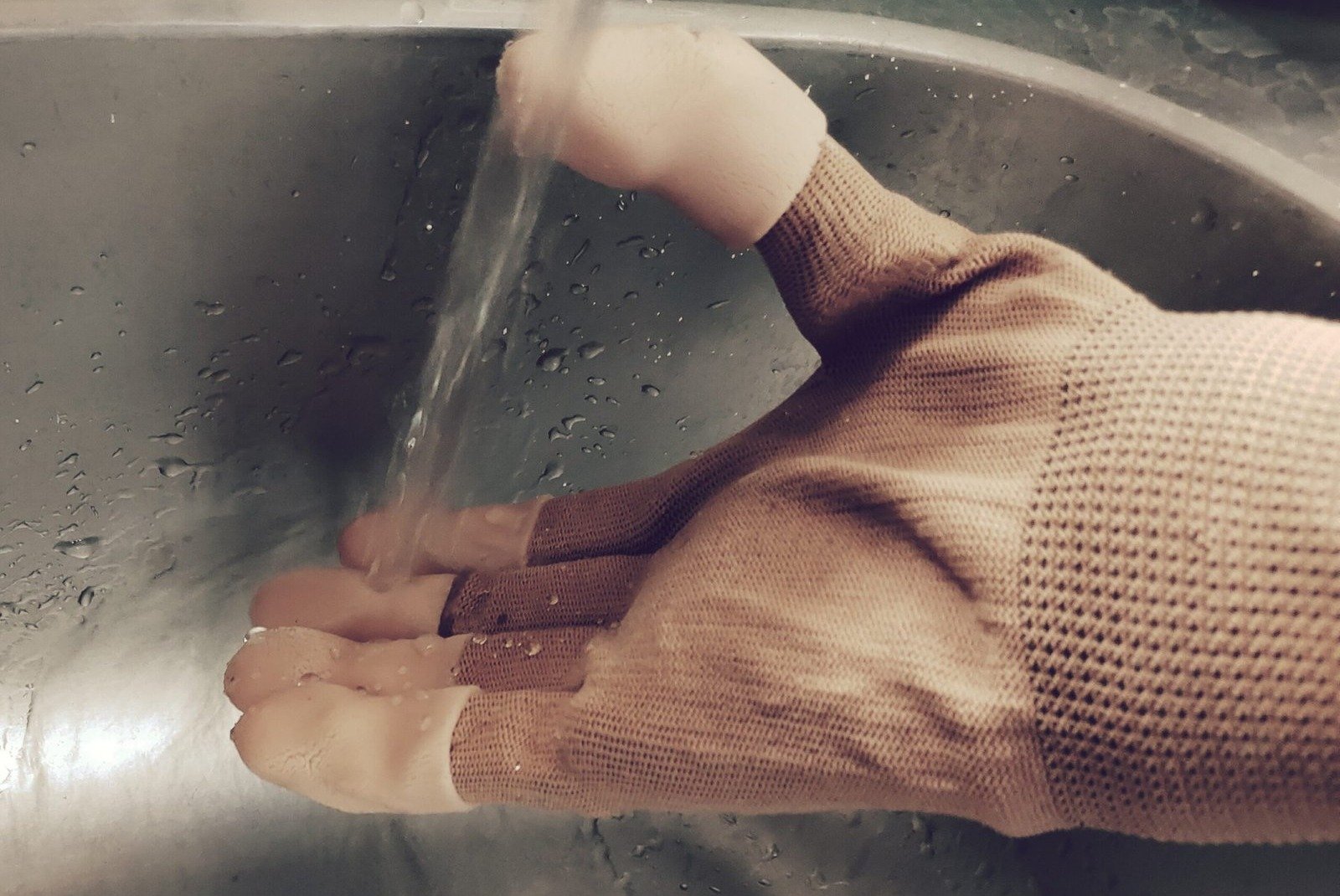
In India, only about five in every hundred people who lose a hand ever get a prosthetic. The reasons are painfully practical: the devices cost a fortune, they are heavy and bulky, they need weeks of training to use, and the sensors that read muscle signals often give up in Indian heat and humidity, the moment a user starts to sweat. In Mumbai, a team of engineers looked at that list of frustrations and decided to build a hand that simply works with the body it serves. Robo Bionics’ answer is Grippy — a 3D-printed bionic hand that reads the pressure of a muscle instead of its electricity, and it is already changing daily life for amputees across India.
Robo Bionics began in 2016, founded by IIT Patna alumni Llewellyn D’sa, Priyanka D’sa and Anil Nair. The idea took shape while Llewellyn and Priyanka were pursuing their master’s at IIT Patna, where a batchmate born without a hand had quietly chosen to go without a prosthetic at all. Existing devices were too heavy to wear all day, too complicated to put on alone, and too unreliable in everyday conditions. The founders built a hand for him first — and then built a company around the simple idea that a prosthetic should be light enough to forget, simple enough to put on alone, and dependable enough to trust.
The heart of Grippy is a sensing approach the company developed itself. Most bionic hands use EMG, reading the tiny electrical signals muscles produce — signals that weaken with sweat, humidity, skin movement and muscle fatigue. Grippy instead uses MMG, or mechanomyography: it senses the physical pressure changes as muscles contract. The company says the result is a hand that keeps responding through a long, hot Indian day, exactly when an EMG hand would start to falter. The hand automatically adjusts its grip to the shape of whatever it holds and regulates its pressure so it neither drops nor crushes what it picks up, while built-in touch feedback sharpens control and shortens the learning curve. At 500 to 700 grams, with eight to ten hours of use on a charge, it is built to be worn from morning to night.
Getting a Grippy starts long before the hand itself arrives. Users first train with BrawnBand, a wearable armband paired with a gamified mobile app, playing simple games over one to two weeks that wake up dormant muscles and build strength in the residual limb, while clinicians follow progress remotely and judge when a user is ready for fitting. Robo Bionics then makes a customised trial socket for each person’s residual limb, and once the fit is confirmed, users can test how the hand’s sensors respond before they buy.
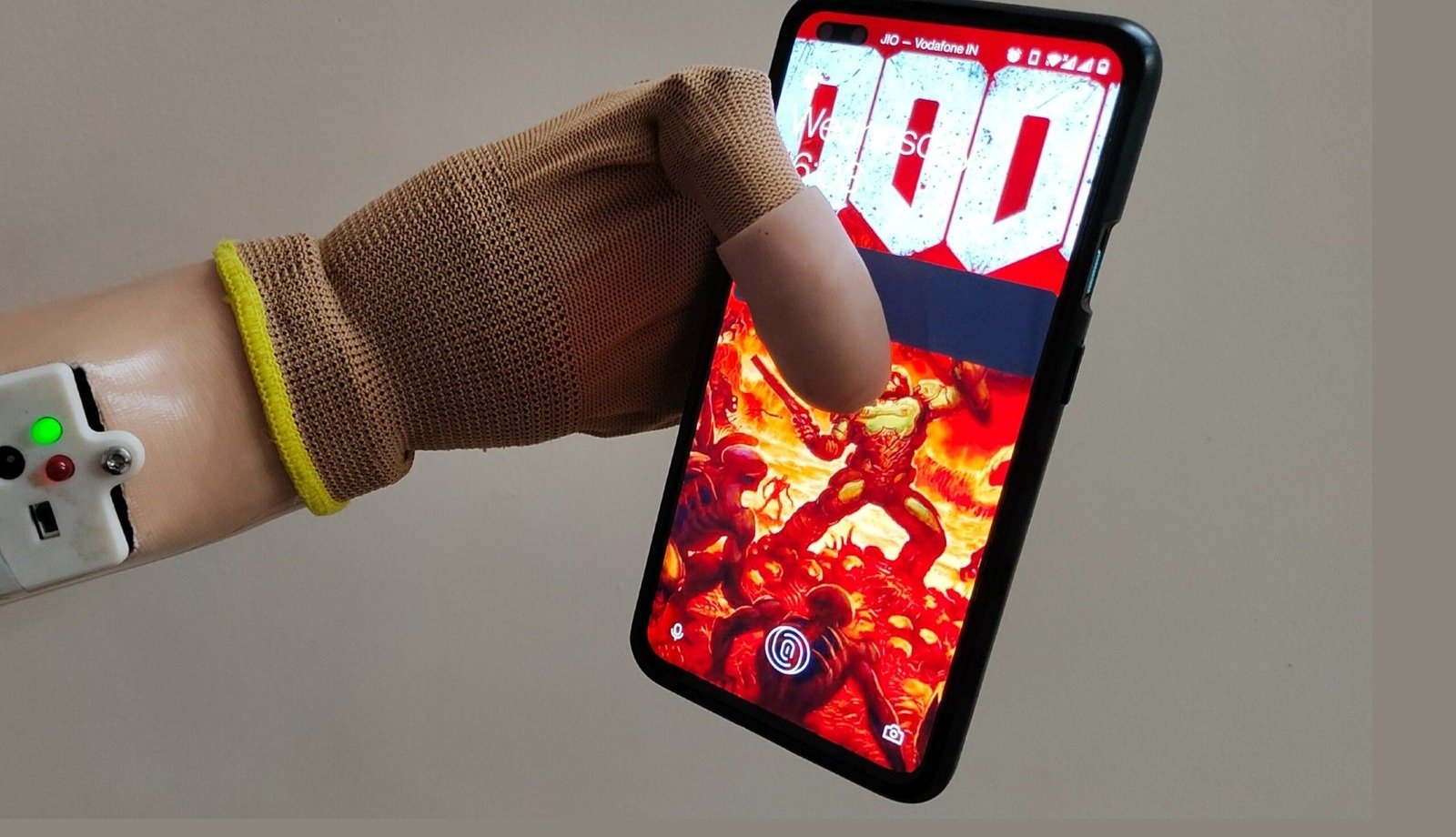
The hand is already at work in the real world. The company says it has served more than 70 individual customers and worked with over six institutional clients, supplying devices to the Armed Forces Medical College, hospitals and NGOs, and partnering with the ICICI Foundation and Fortech Labs through CSR initiatives. Grippy is built to international benchmarks — IEC 60601 for medical electrical safety and ISO 13485:2016 for medical device quality management — and the company says it has clinically validated the device at Sancheti Hospital in Pune and MGM Hospital in Navi Mumbai, with trials on ten patients at each. Packages range from Rs 2 lakh to Rs 4 lakh depending on the residual limb and training needed, including a one-year warranty with pickup and servicing.
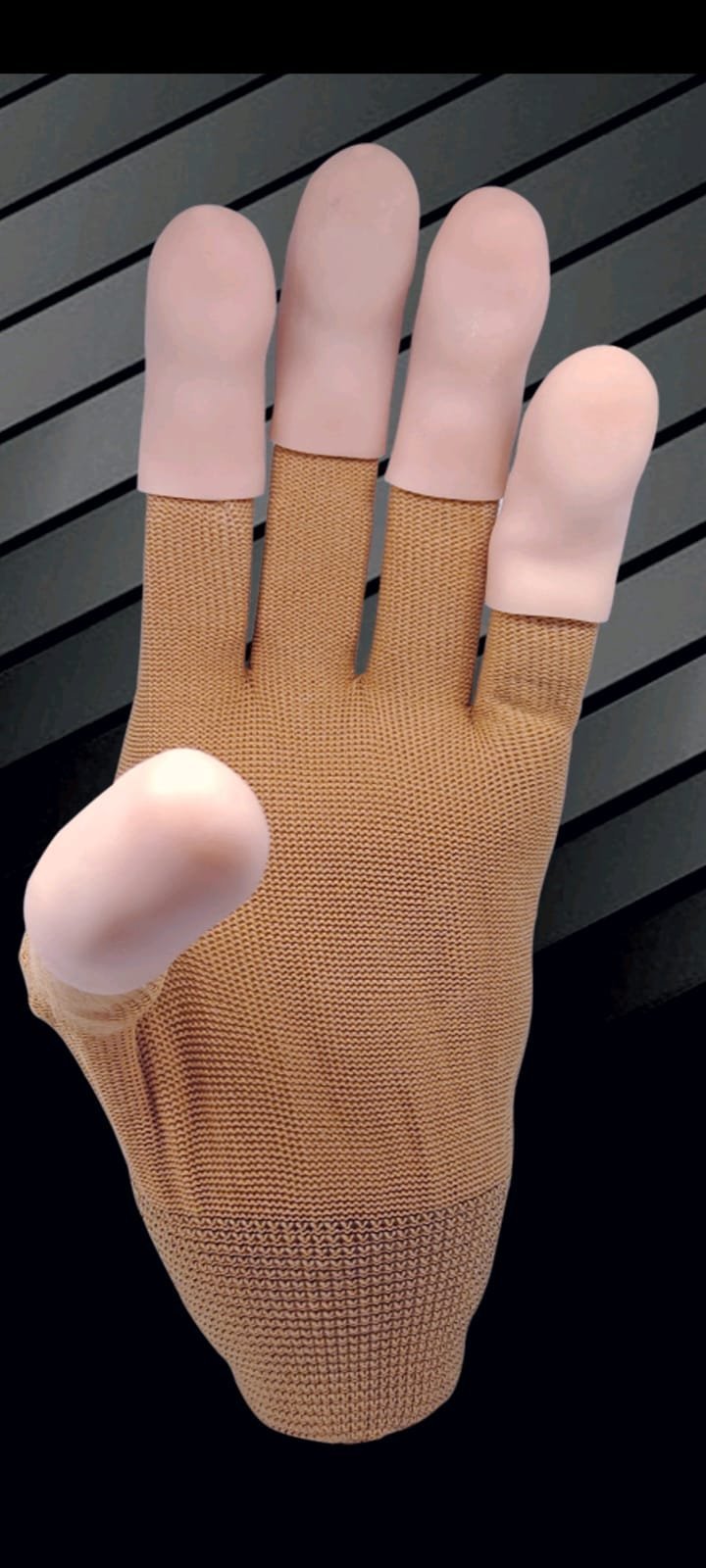
The work has drawn recognition along the way: the National Startup Awards 2021 in the Medical Devices category, the NXP Tech Startup Challenge 2022, Social Enterprise of the Year from TiE Hyderabad in 2021, and a place in YourStory’s Tech30 cohort for 2025. The company has raised Rs 40 lakh in seed funding from BIRAC, SINE IIT Bombay and IIT Patna, and is now pursuing CE marking and other global approvals to take Grippy beyond India. From a batchmate’s everyday struggle to a hand that reads muscle pressure and keeps its grip through sweat and rain, Robo Bionics is showing that world-class prosthetics can be designed, built and priced in India.
More Read
Watch the story of Grippy, Robo Bionics’ bionic hand with a sense of touch:
Keep reading: The Answer in Two Hours: Inside CrisprBits, the Bengaluru Startup Turning CRISPR Into Faster Diagnostics · A Vaccine That Needs No Freezer: Inside Immunoscript, the Pune Biotech Rewriting How the World Stores RNA Vaccines · More Chemicals, Materials & Life Sciences stories
Like stories like this? Add Exceptional Technology as a preferred source on Google to see more of our reporting in your search results and Discover feed.







