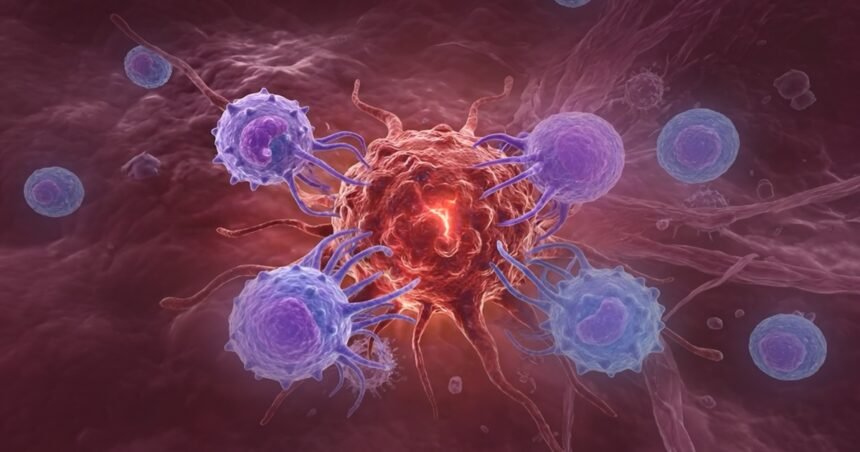
Some of the most powerful vaccines ever made have a strangely fragile weakness: they melt. The mRNA vaccines that changed the course of the pandemic must be kept at ultra-low temperatures from factory to arm, and in much of the world — in villages without reliable power, in clinics without deep freezers — that cold chain is the difference between a vaccine that arrives and one that never does. In Pune, a young biotech company has built a way around the problem entirely. Its answer is a vaccine that does not need a freezer at all.
The company is Immunoscript Life Science, founded in Pune in 2026 by Dr Sanjay Singh, the former chief executive of Gennova Biopharmaceuticals — the company behind India’s only mRNA Covid-19 vaccine. Singh spent six years at the US National Institutes of Health before returning to India, and he has spent the two decades since building vaccine science in Pune. With him is Dr Kavita Singh, the company’s executive director and chief medical officer, who previously ran India’s National Biopharma Mission and led vaccine work across Asia for the Drugs for Neglected Diseases initiative. In less than a year, the team has grown past 80 people, with 25 research programmes running — and in October, LinkedIn named Immunoscript one of India’s Top 20 Startups of 2026, the only biotechnology company on the list.
The cold chain is the problem
Conventional mRNA vaccines wrap their fragile RNA inside tiny fat bubbles called lipid nanoparticles, and the whole package must stay frozen — often far below zero — to survive the journey. Immunoscript’s platform, called CLNE, takes a different route. Instead of hiding the RNA inside a bubble, it binds the RNA molecules directly to the outside of nanoemulsion droplets — a design CEPI, the global epidemic-preparedness coalition, describes as a world-first. Because the RNA sits on the surface rather than inside, the vaccine can be dried into a powder and stored at ordinary fridge temperature, between 2°C and 8°C. No deep freezer, no dry ice, no race against the thaw.
That matters most exactly where vaccines are hardest to deliver. As CEPI puts it, freezer-free RNA vaccines would help overcome one of the biggest barriers to broader use of the technology in outbreak settings — getting life-saving shots to millions more people, regardless of where they live. India already serves as one of the world’s major vaccine hubs, and CEPI’s backing pushes that pioneering science a step further.
A photocopier inside the vaccine
CLNE has a second trick. It is built on self-amplifying RNA — saRNA — which carries its own copying instructions. Once inside the body, the RNA teaches the body’s cells how to make more of itself, so a small dose can go much further. CEPI describes it as a built-in photocopier: in an emergency, the same starting material stretches across far more doses, and each dose costs less to make. The platform was developed and authorised in India during the Covid-19 pandemic, and it now belongs to Immunoscript, after Gennova transferred its mRNA business to the new company.
First stop: rabies
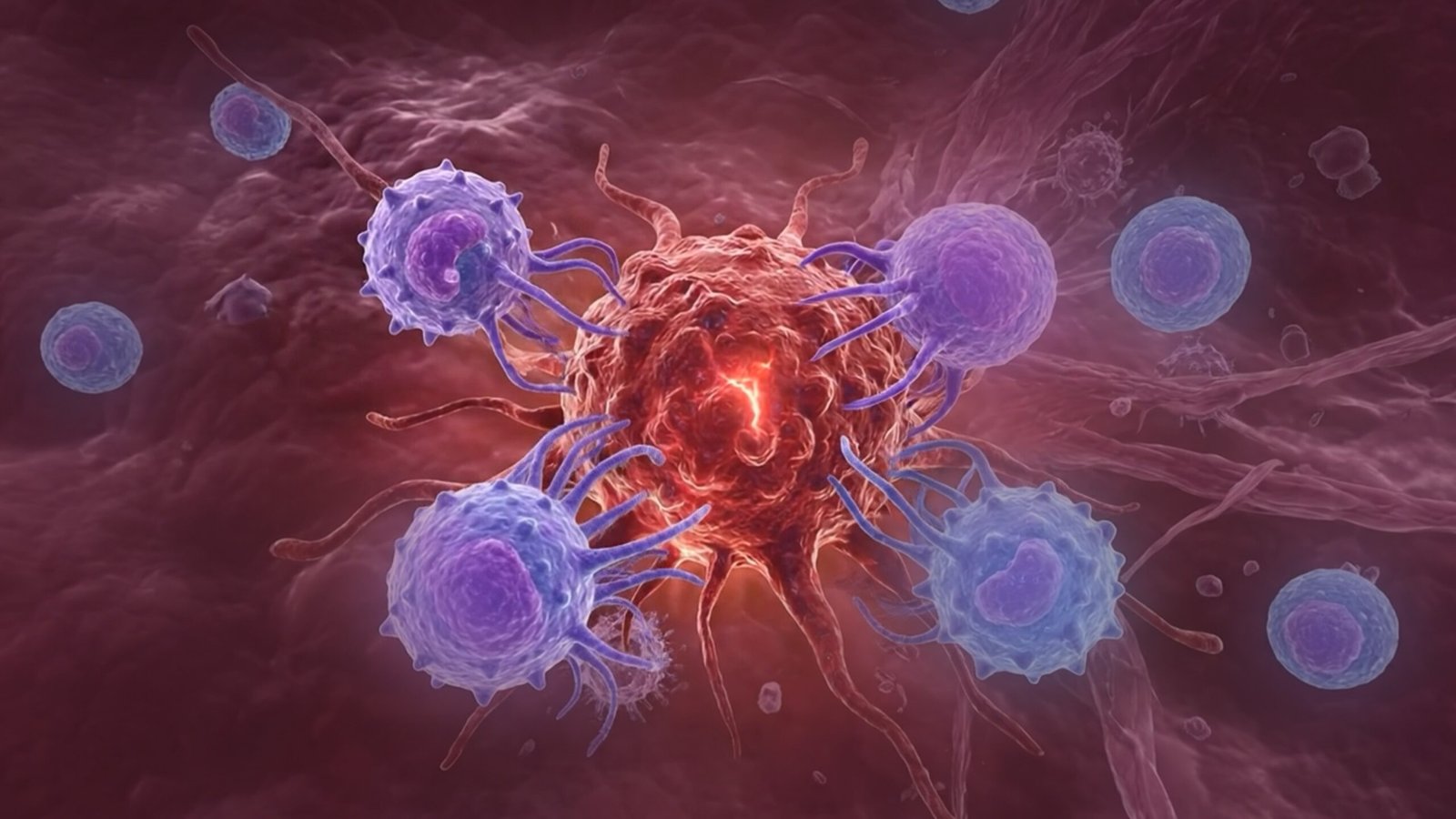
The platform’s first trial in people will take on rabies. With CEPI’s funding of up to $8.9 million — around ₹85 crore — announced in September 2026, Immunoscript scientists will run an early-stage trial in India to test the safety of the CLNE technology and the immune response it produces against the rabies virus, using AI tools to find the best dose. Rabies is the prototype: the same platform is designed to be re-aimed at whatever comes next. The rabies programme is aligned with the World Health Organization’s ‘Zero by 30’ initiative, and CEPI is separately supporting research into the same technology against Nipah virus.
More Read

The bigger picture is CEPI’s 100 Days Mission — the goal, backed by India and the G20 and G7 nations, of developing vaccines against a new emerging disease in as little as 100 days. A thermostable platform that can be designed fast, dried to powder and shipped at fridge temperature is exactly the kind of tool that mission needs. CEPI has the option to fund Immunoscript further if the project succeeds, and the results will be published open access for scientists everywhere.
The team behind it
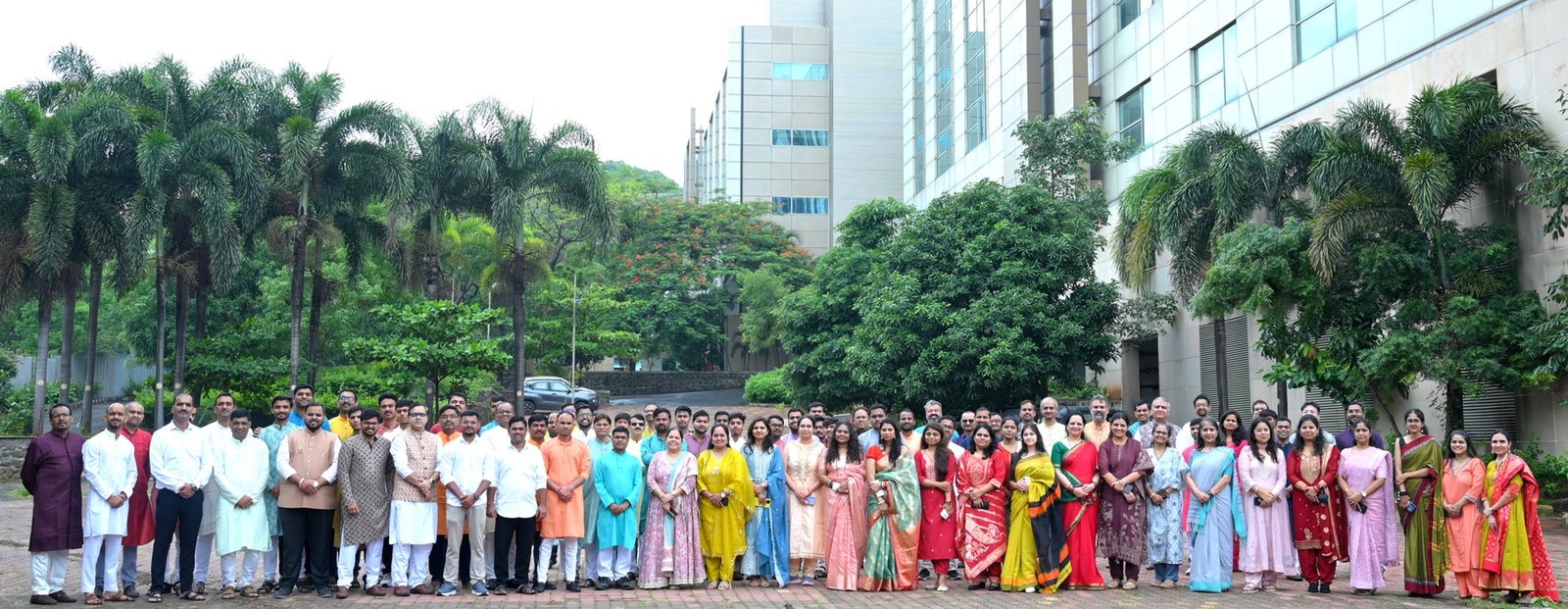
Immunoscript is barely months old as a company, but the experience behind it runs deep. Dr Sanjay Singh earned his PhD in biochemistry from the Central Drug Research Institute, worked on vaccine development at the NIH, and led Gennova through the pandemic years, when its mRNA vaccine became India’s only home-grown one. Dr Kavita Singh brings more than 25 years across industry, government and global health, including a seat on the WHO’s vaccine advisory committee. Together they are building what the company calls a biofoundry — the facilities to design, make and scale next-generation vaccines in India, rather than importing the technology from elsewhere.
What comes next
The rabies trial is expected to begin once regulatory approvals land in India — the company has pointed to a timeline of around six months from the September announcement. After that, the same platform can move against other diseases: the company is already working on next-generation vaccines, immuno-oncology and cell and gene therapies, with the biofoundry to manufacture them at home. A vaccine that survives on a shelf instead of in a freezer sounds like a small engineering detail. For the millions of people who live beyond the reach of the cold chain, it could be the difference between protection and nothing at all.
Keep reading: Printing With Living Cells: Inside Next Big Innovation Labs, the Bengaluru Startup Building India’s Homegrown 3D Bioprinters · Liquid Trees in the Waiting Room: Inside Zaara Biotech’s Algae Machines Cleaning Delhi’s Hospital Air · More Chemicals, Materials & Life Sciences stories
Like stories like this? Add Exceptional Technology as a preferred source on Google to see more of our reporting in your search results and Discover feed.