


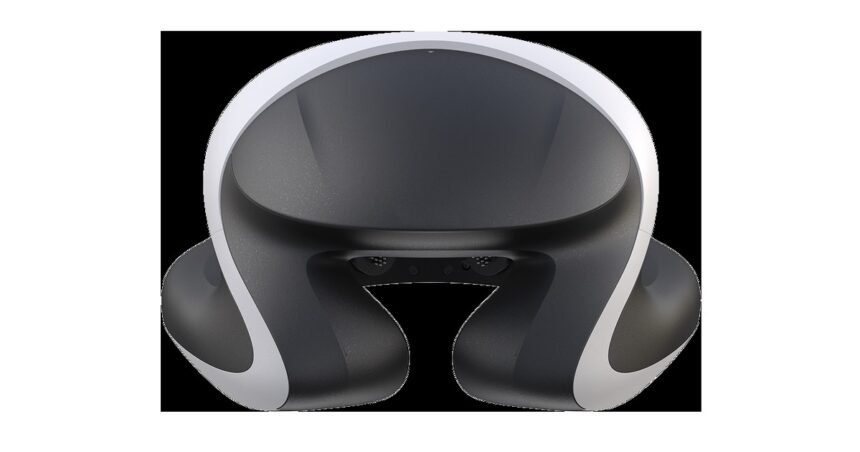
Think “left” — and a wheelchair turns left. Think about pushing an object — and a game avatar pushes it. No joystick, no touchscreen, no voice command: just the faint electrical whisper of a thought, picked up from the surface of the scalp and turned into action. That is the promise of the brain-computer interface, and a Bengaluru startup has spent six years building the Indian hardware to make it real.
The startup is Nexstem — now Anthriq — and its flagship is Instinct, a 13-channel wireless EEG headset that reads the brain’s electrical signals and hands them to developers as clean, usable data. Where most brain-computer interfaces live in research papers and hospital labs, Instinct is built to be picked up, worn, and built on: a research-grade headset with the software to match, designed and largely manufactured in India.
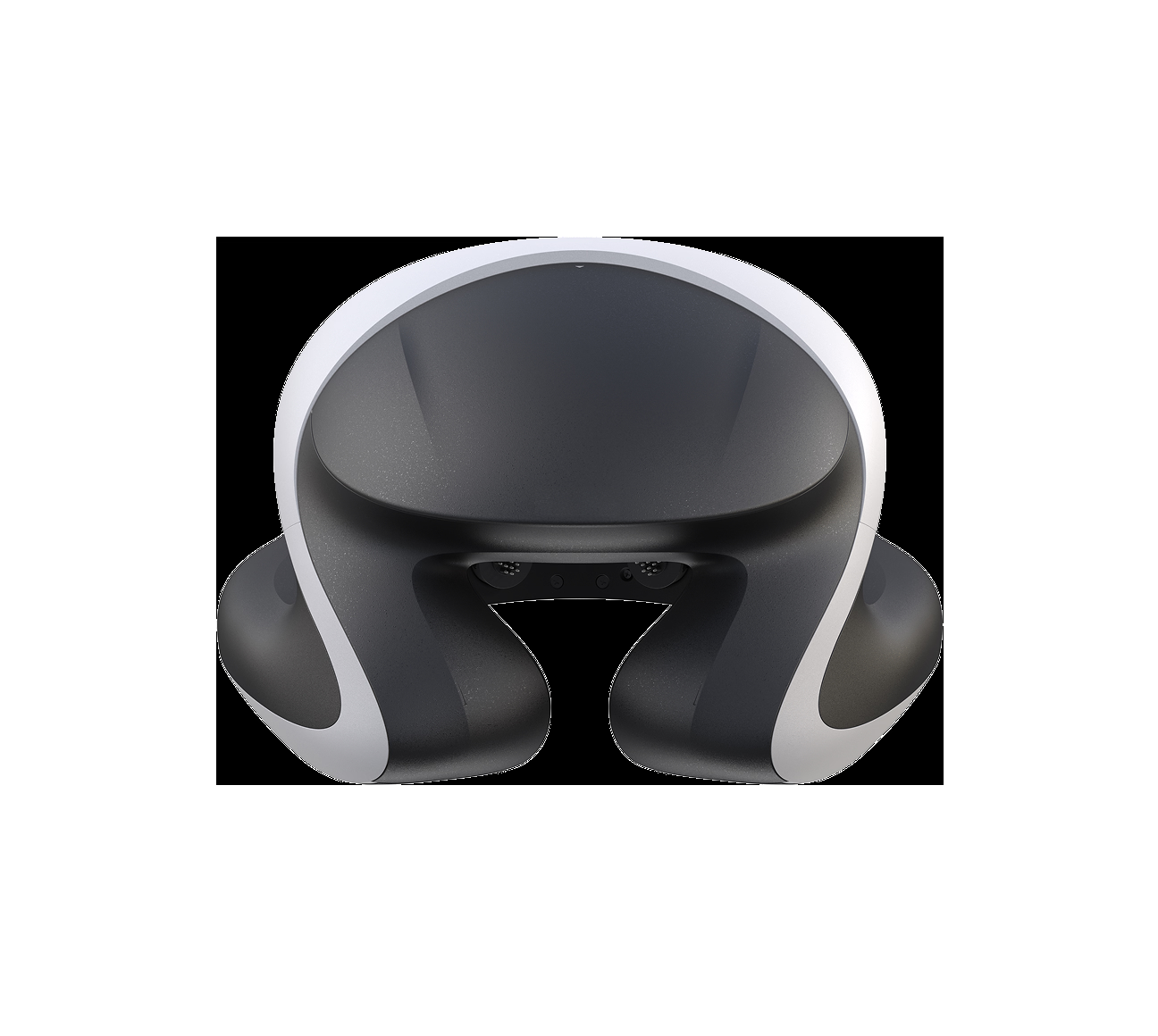
The Instinct headset from Anthriq (formerly Nexstem) — a 13-channel wireless EEG headset with motorised, auto-adjusting electrodes. (Image: Anthriq)
Listening to a whisper
The engineering problem at the heart of Instinct is one of scale. The company says the EEG signals it works with measure about one to ten microvolts — while the electrical noise around them runs in millivolts, roughly a thousand times stronger. Catching that whisper without drowning it out meant building custom analogue systems from scratch, because, as co-founder and CTO Deepansh Goyal told EE Times, “unlike smartphones, where modular components are standardised, the biosignal infrastructure market is highly fragmented. We’re building the entire ecosystem from the ground up.”
Instinct’s answer is a stack of careful engineering. Thirteen EEG channels plus a reference and a driven-right-leg electrode sit in the standard 10–20 layout across the key regions of the brain, using dry Ag/AgCl polymer active electrodes that amplify the signal at the source — no gels, no skin preparation, live signals in under ten minutes. Motorised electrodes auto-adjust for contact and monitor impedance in real time, so the fit stays consistent across head shapes and sizes. A 24-bit ADC samples simultaneously at up to 4,000 Hz, the noise floor sits below 0.4 microvolts RMS, a 9-axis motion sensor corrects for movement, and an FPGA-based processor filters and routes the signal on the device itself, with sub-millisecond synchronisation. The headset streams over Wi-Fi 6 or Bluetooth 5.0, runs for about four hours on a swappable battery, and weighs around 1.8 kilograms.
More Read

Built to be built on
Hardware is only half the story. Instinct ships with bxi Studio and the Wisdom SDK, which let developers run real-time EEG analysis and build no-code interfaces that map brain activity to control systems — thinking about moving left or right produces distinct patterns the system can recognise, and the company’s Motor Machine module predicts a user’s intent to perform motor actions such as moving forward or backward, or pushing and pulling objects. A Python SDK streams all thirteen channels in under five lines of code, and data exports in open formats — XDF, EDF, CSV and MAT — with Lab Streaming Layer support, so nothing is locked into a proprietary silo.
That openness is deliberate. Nexstem licenses its biosignal IP the way a chip company licenses processor designs: customers take an annual licence, define their own product specifications, and build their own variation within two to six months. The company says building a comparable system from scratch would typically take two to three years and five to seven million dollars of R&D; with its platform, the same work lands in four to twenty-four weeks. It is a model aimed squarely at researchers, hospitals, gaming studios and robotics teams who want to add a brain to their machine without first becoming a neurotech company.
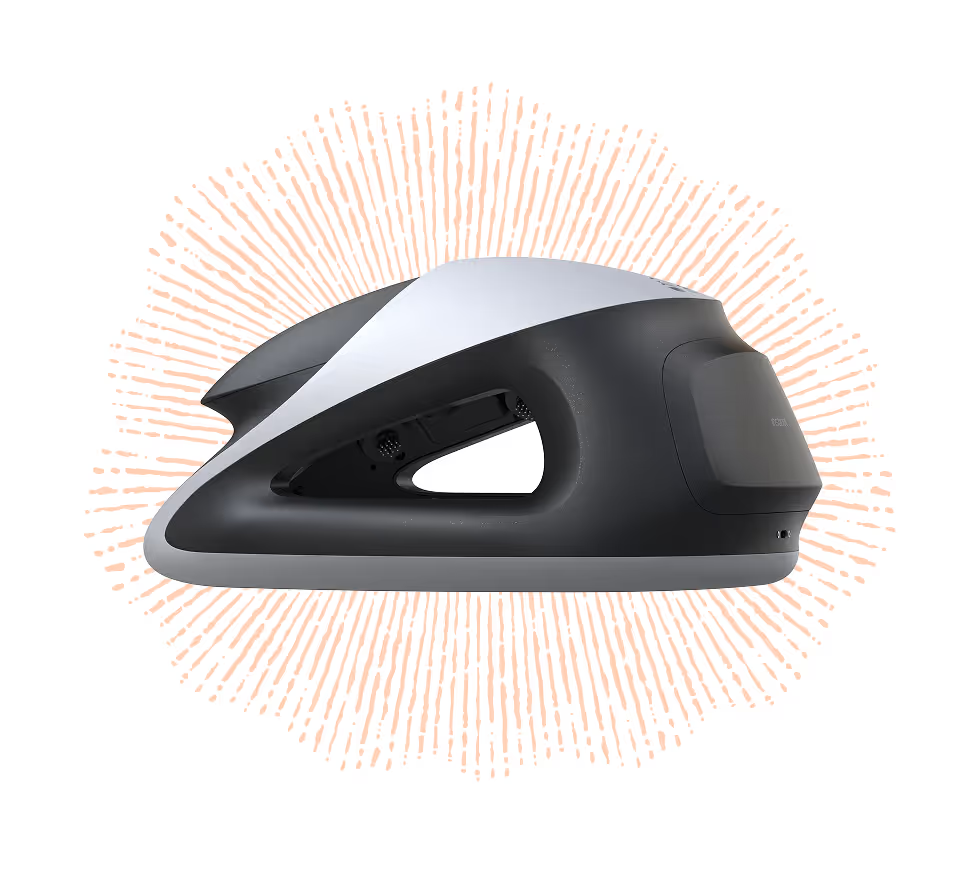
Instinct, side view — dry electrodes, wireless streaming and on-device processing in a single wearable. (Image: Anthriq)
From an ₹18,000 prototype to India’s labs
Nexstem began in 2019, when founders Siddhant Dangi and Deepansh Goyal — both BITS Pilani alumni — set out to build assistive robotic devices and discovered that even the most advanced prosthetic arms were unintuitive to use. Brain signals, they decided, were the more natural control channel. Their first EEG prototype cost ₹18,000 to build, against ₹96,000 for the cheapest commercial unit they could buy — funded, in the company’s telling, by a ₹45,000 prize from a competition in Nagpur. The company was formally founded in 2020, and Instinct was showcased at VivaTech in Paris in June 2022, where it took first place in the Augmented Entertainment category.
Since then the headset has found its way into the places that matter most for a research tool. The company counts NIMHANS, IISc Bengaluru and several IITs among its customers, holds MOUs with universities, and is in discussions with hospitals for pilots; it has represented India at a medtech conference in Japan and works with Indian government-backed projects. A $3.5 million round in November 2024, co-led by Info Edge, Zupee, Smile Group and Gruhas, took total funding to around $5.7 million, funding a 29-member cross-domain team — and about 90% of the company’s manufacturing happens in India, through an in-house prototyping setup and Indian contract manufacturers. The headset’s design has also won a Golden Pin Design Award.
What comes next
Nexstem is now writing its next chapter under a new name: Anthriq. The rebrand reflects an ambition that has grown beyond a single headset — to become the biosignal infrastructure layer for brain-controlled systems across defence, healthcare, wellness, sports, gaming and entertainment. The roadmap runs through miniaturisation for wearables and, eventually, proprietary silicon, with partnerships in mind with semiconductor companies such as TSMC, Samsung or Qualcomm. The company is applying for a CDSCO licence in India and plans to seek US FDA approval, and it hosts monthly Neurotech Round Tables connecting researchers and founders — part of a deliberate effort to grow an Indian neurotech ecosystem that, in Goyal’s words, barely existed when the company began.
That ecosystem-building instinct may be the most important part of the story. Brain-computer interfaces have spent decades inside research labs and hospitals, kept there by cost and machine size. Instinct is a bet that the way out is not a single miracle device but infrastructure: a headset, a software kit and a licensing model that lets a hundred other teams build the applications. If that bet pays off, the next mind-controlled wheelchair, the next neurofeedback therapy and the next brain-driven game may all trace their signal back to a headset built in Bengaluru.
Keep reading: Hands That Speak: Inside Glovatrix’s Fifth Sense, the Glove Giving Sign Language a Voice · The X-Ray Machine That Fits in One Hand: Inside Lenek, the IIT Kanpur Startup Taking Diagnostics to India’s Villages · More Chemicals, Materials & Life Sciences stories
Like stories like this? Add Exceptional Technology as a preferred source on Google to see more of our reporting in your search results and Discover feed.







