Every camera in the world today is a very good eye attached to a very long wire. The sensor captures the picture, then ships every pixel to a processor somewhere else — a chip on the same board, a computer in the next room, a server in another city — before anything is understood about what was seen. Most of what is sent never matters to the task at hand, yet all of it is moved, and every hop costs time, power and money. Bharat Semi, a New Delhi startup founded in late 2021, is building a sensor that does the understanding where the seeing happens.
Capture, process, decide — on one chip
The company’s programmable image sensors combine image capture, processing and AI capabilities on a single chip, so visual data no longer has to travel to separate processors before a machine can act on it. The company says the approach could cut system costs by at least 70 percent compared with a conventional setup that uses a separate image sensor, an image signal processor and a system-on-chip. “Our aim here is to move from sensors to sense-making solutions,” co-founder Vrinda Kapoor told TechCrunch. The company’s own line for the work is simpler still: “We are building the sensor layer for Physical AI.”
The difference is in where the thinking happens. Bharat Semi says its sensors extract feature points from a scene rather than sending full images onward, with matching and decision-making done on the device itself. That keeps the intelligence close to the lens, so a machine can respond in real time, sip power instead of gulping it, and keep what it sees to itself. For drones, robots and battery-powered devices working within tight power budgets, that is the difference between a feature that works and one that stays on the drawing board.
The sensor layer for Physical AI
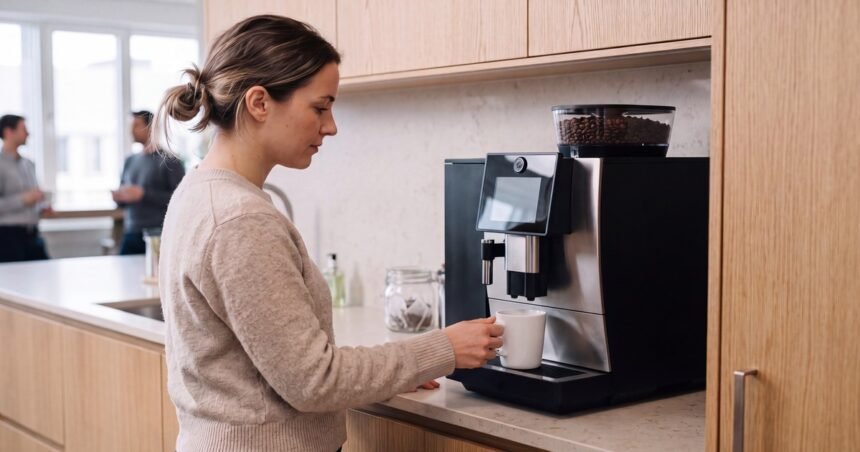
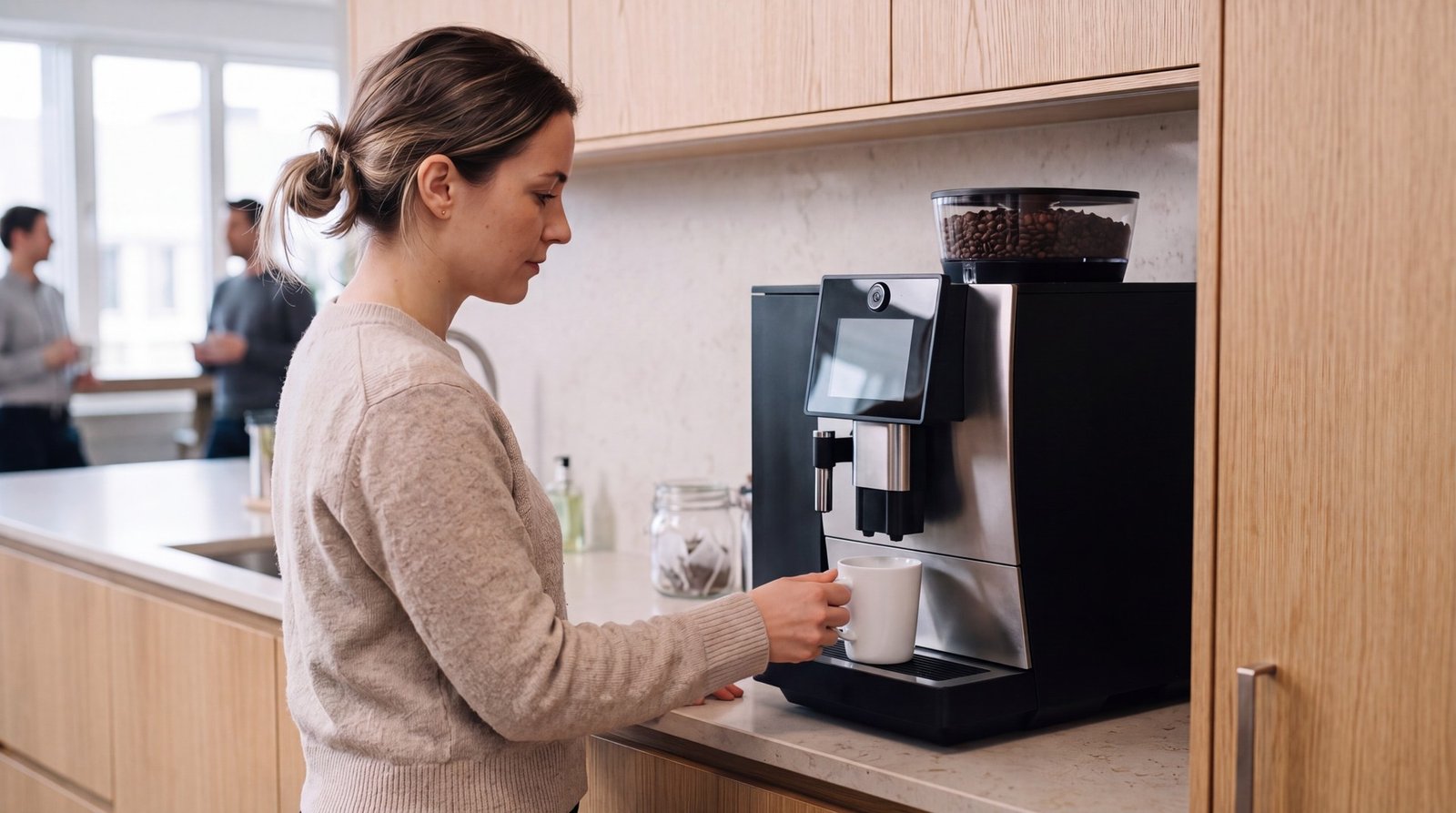
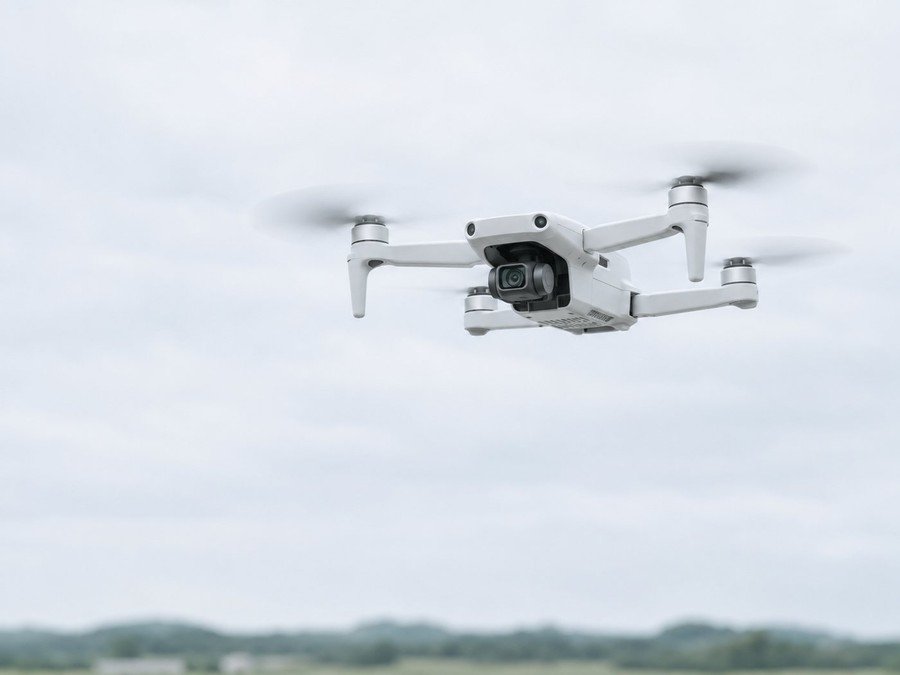
The company is aiming first at the machines that already surround us. An air conditioner could sense where people are sitting and send the airflow their way. A video doorbell could recognise a delivery and send an alert instead of a video stream. A ceiling fan could tell when someone has fallen asleep and ease its speed down. A drone could spot power lines ahead and adjust its flight path on its own. Bharat Semi lists consumer electronics, surveillance, robotics, automotive, aerospace and security systems as its markets, and the company says it is targeting smart homes, industrial automation, surveillance and aerospace first.
A team that has built sensors before
Bharat Semi was co-founded by Vrinda Kapoor, a South Park Commons fellow who earlier worked in healthcare technology, and Vinayak Dalmia, the company’s managing director, who previously worked at McKinsey and in private equity. Its chief technology officer is Boyd Fowler, who previously held the same role at OmniVision, one of the world’s largest image-sensor makers. The company has about 75 employees across India and the United States, including 10 to 12 in Santa Clara, and the company says it plans to grow its American team to around 20 by mid-2027 and has begun hiring engineers in Europe.
“It’s a story of can we build a global technology company out of India,” Kapoor told TechCrunch — and the early signs say the world is listening. The company says it has secured design wins with US defence technology company General Atomics and with India’s Kaynes Semicon, agreements to design its chips into customers’ products before they reach the market.
More Read
Design wins and a $24 million runway
On 15 November 2026, Bharat Semi announced a $24 million all-equity seed round led by Info Edge Group, South Park Commons and Indus Bridge Ventures, with participation from Valour Capital, Micromax, Gaingels and individual investors. The company says it will use the funding to expand its engineering team, complete product development and bring its sensors to market. The company plans to remain fabless, outsourcing chip manufacturing while it focuses on semiconductor design and software, and the funding is separate from its proposed Shakti semiconductor fabrication project in India, which the company says remains in development.
The company’s first-generation sensors are already in prototyping, with initial commercial production targeted for 2027. Second-generation sensors with more advanced AI capabilities are expected to reach the prototype stage by mid-2027, with the company planning to get those newer sensors into customers’ hands by the end of that year. The roadmap is clear, the team has done this before, and the customers are already at the table.
India has committed billions of dollars to building a domestic semiconductor industry, and the AI boom is giving Indian startups a chance to build specialised chips for global markets rather than only assembling somebody else’s. Bharat Semi is betting that the next great Indian chip company will not be built around a processor at all, but around the sensor that lets machines see — and understand what they are looking at, right where they stand.
Keep reading: Three Kilometres Ahead: Inside mistEO, the Kerala Startup Turning Weather Into Decisions · The Teammate Who Joins the Meeting: Inside TensorGo’s HumAIn, Hyderabad’s Autonomous AI Workforce · More Industrial Automation & Technology stories
Like stories like this? Add Exceptional Technology as a preferred source on Google to see more of our reporting in your search results and Discover feed.