


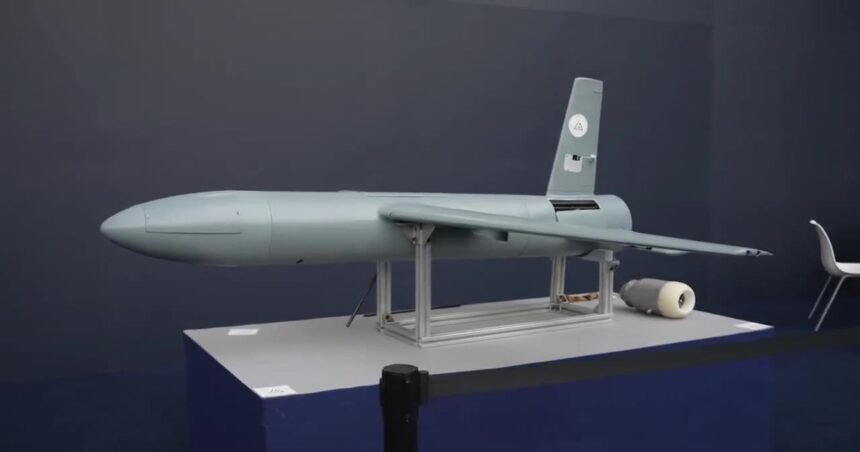
India has dreamed of building its own jet engines for decades — the kind of technology every major air power guards closely, and almost nobody sells. A Bengaluru startup called Green Aero decided to stop waiting. In three years it has designed, built and test-fired its own turbojet core, put it inside a transonic drone of its own design, and built the avionics to fly it without GPS — all under one roof. On 26 November 2026, the company announced a $14 million Series A round to take that stack further: bigger engines, faster drones, and aircraft that can fly alongside fighter jets without a pilot on board.
The engine at the heart of it
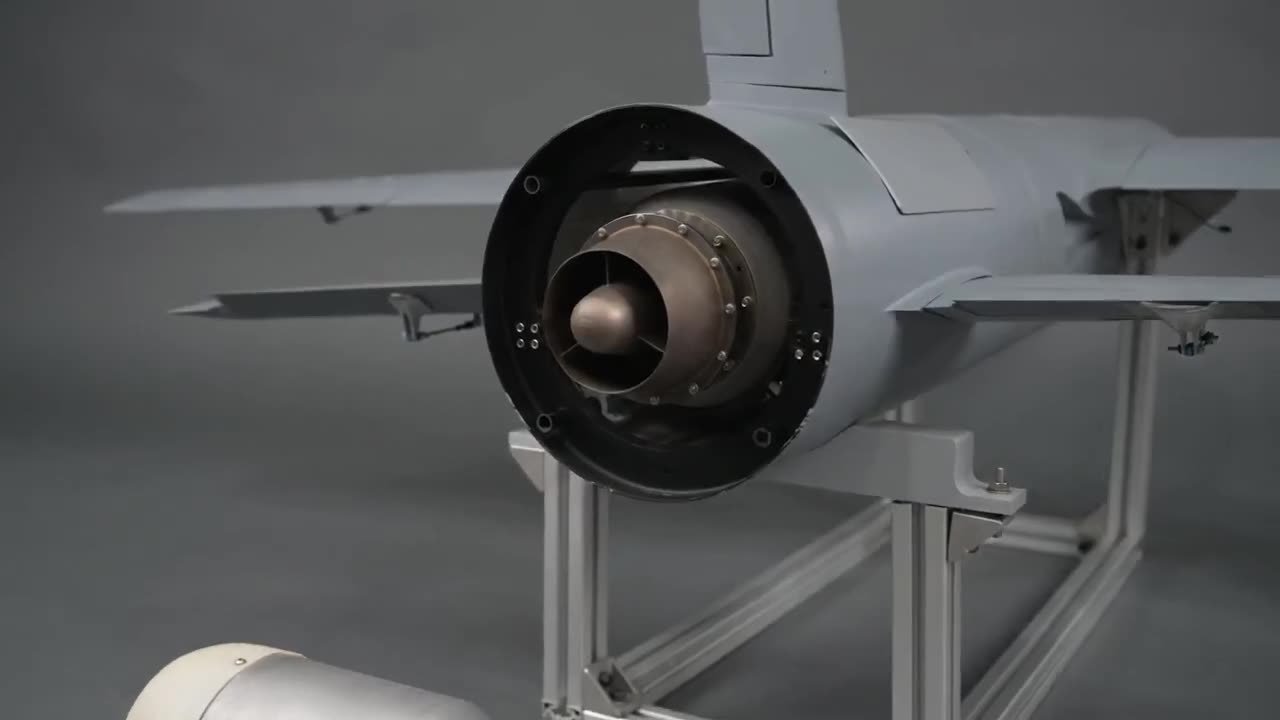
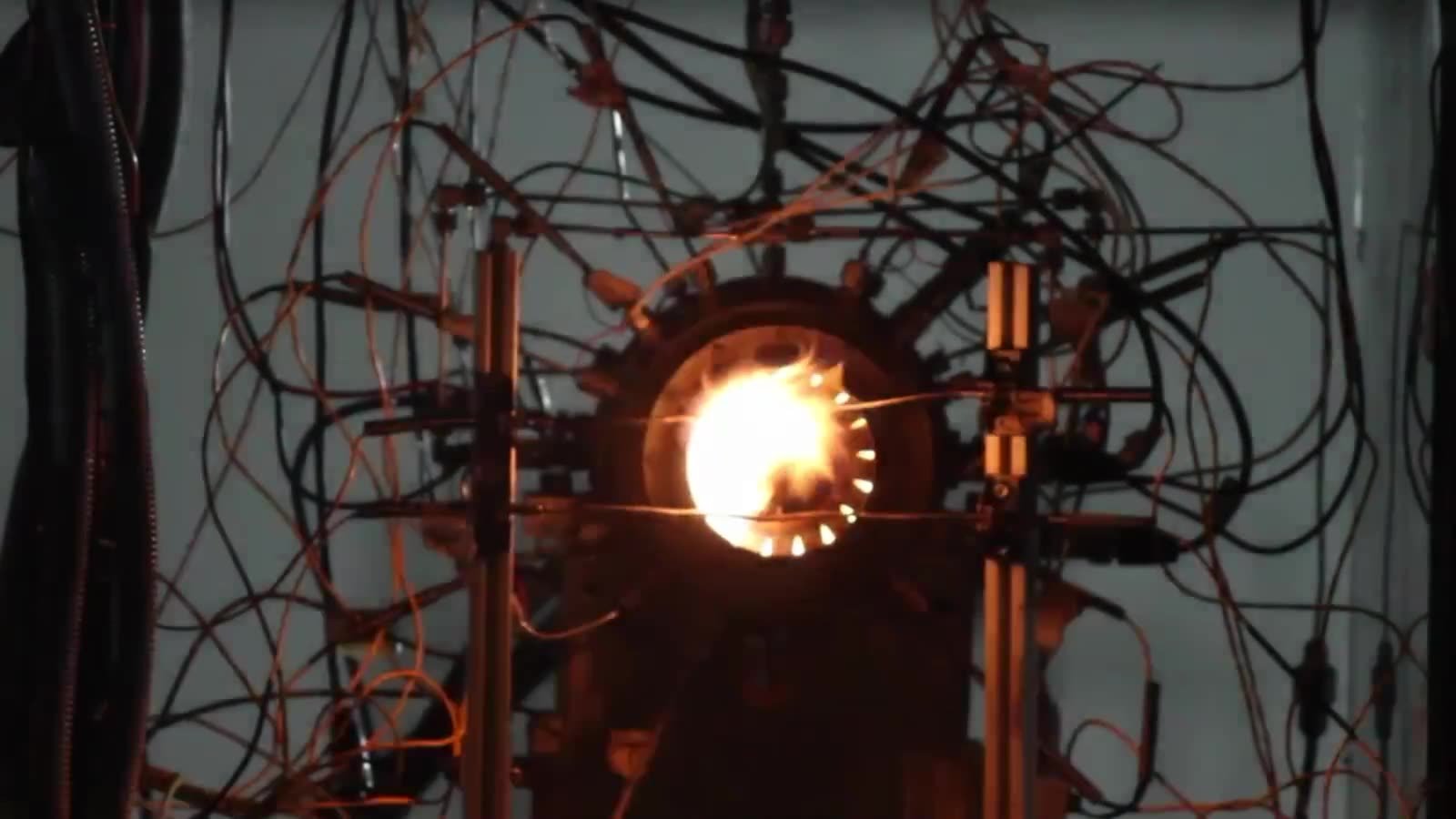
Everything Green Aero builds starts with the Blue Dragon, a modular turbojet the company designed, built and tested in-house. The engine covers a thrust class of 400 newtons to 1 kilonewton, and the company says it is the first subscale engine core anywhere to demonstrate air-blast atomisers in that thrust class — the injectors that turn fuel into a fine, burnable mist inside the combustor. The company has now completed more than 100 engine firings and more than 700 injector hot fires, iterating on its own test rigs one firing at a time. The core is fuel-agnostic, and the company describes it as India’s first hydrogen-based aero engine core — a bet that the same hardware can one day fly on cleaner fuels as well as conventional ones.
One roof, one aircraft
Green Aero’s big idea is vertical integration: engine, airframe and avionics designed together, in the same building, by the same team. The company says it is the first company in India to demonstrate vertically integrated aircraft manufacturing — jet engine, avionics and airframe under one roof — at its 87,000 sq ft research, assembly and testing facility in Bengaluru’s KIADB Aerospace Park. Designing the three together means each part is shaped around the other two, so the aircraft performs as a whole rather than as a compromise between suppliers. The facility brings engine and airframe research, assembly, quality control and testing together, and the company says it iterates up to seven times faster because a test firing is never more than a walk away. A 50-member team of engineers and military veterans works there, and the company counts a partnership with Larsen & Toubro, support from Boeing’s BUILD programme and SIDBI’s Green-Tech Accelerator, and incubation at IIT Delhi.
The drone that flies on its own engine
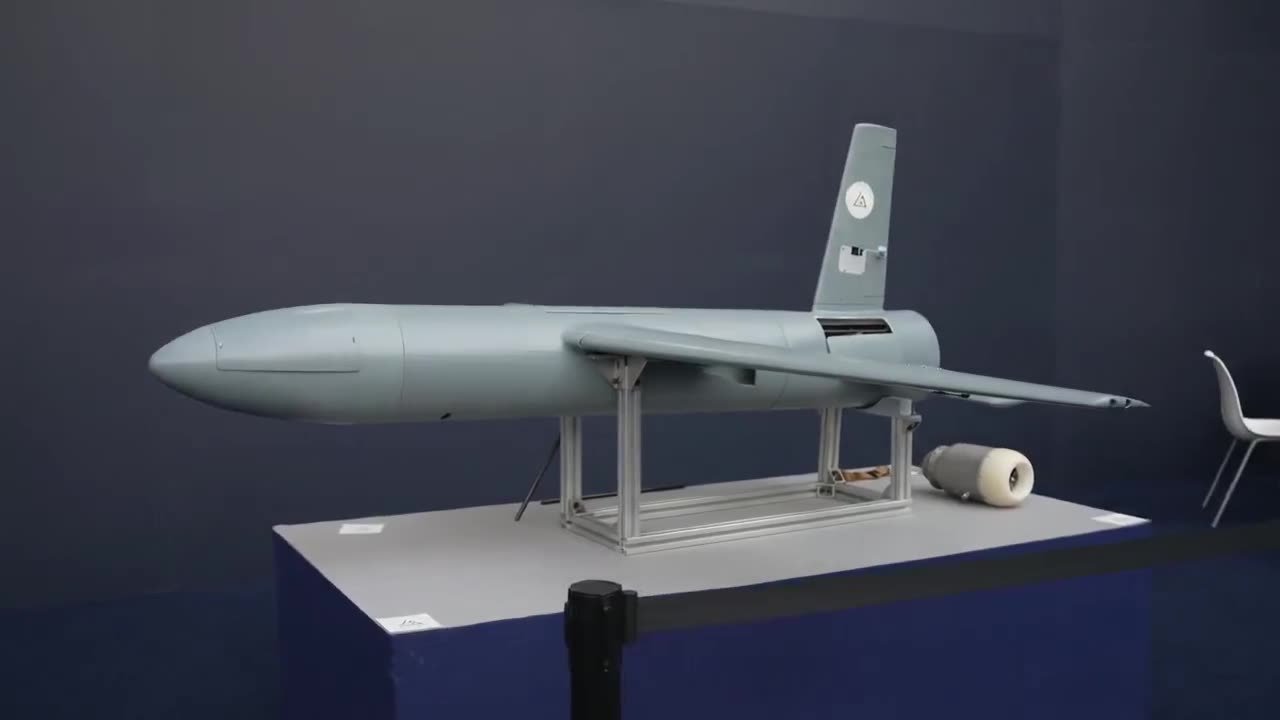
The first aircraft built on that stack is the Green Falcon, which the company describes as India’s first transonic drone. It is built for transonic speed, standoff range and modular payloads, and it carries avionics designed to keep working without GPS — guidance, navigation and control on the company’s own edge-computing hardware and flight software written in-house. The video below, from the company’s own website, shows the Falcon up close.
Transonic now, supersonic next
Green Aero’s roadmap runs in four steps: the sub-1 kN engines are done, the transonic Green Falcon is now, a 5 kN engine is next, and supersonic drones follow. The $14 million Series A — led by Crane Ventures, with 3one4 Capital, Antler Elevate and returning investors pi Ventures, Antler India and Rebalance — will fund larger engine test facilities, a bigger engineering team and flight qualification of the transonic and supersonic drone platforms over the next 12 to 18 months. The company says the round is the largest venture investment yet in India’s private jet-engine and collaborative-combat-aircraft sector. It is also starting to commercialise its existing engines, with early interest from international buyers, and the company says it is already generating revenue from small-engine sales. The longer horizon is collaborative combat aircraft — autonomous aircraft designed to fly alongside crewed fighter jets or on their own, taking on surveillance and strike missions where sending a pilot would carry the greatest risk. Founder Prithwish Kundu believes drone warfare is moving towards jet-powered platforms that can exceed 600 kmph, and Green Aero is building the engines to power that shift.
The people building it
Green Aero was founded in November 2023 by Dr Prithwish Kundu, an aerospace engineer who studied at IIT Delhi and completed a PhD in aerospace engineering at North Carolina State University. He went on to work as a research scientist at Argonne National Laboratory in the United States, where he worked on scramjet research with NASA and jet-engine projects with the US Army, before returning to India and spending about two years at electric vehicle maker Euler Motors. Alongside him are Cdr. Deepak Adhar, a naval aviator with 22 years flying jets and turboprops, leading defence programmes; Farhan Pathan as chief operating officer; and Kushal Shah as chief of staff. A seed round of about $1.6 million in July 2025, led by pi Ventures with Antler, got the first engines firing; the Series A is the step that turns a proven core into a flying aircraft.
More Read
When a country’s fastest aircraft have always depended on engines built somewhere else, building one at home changes more than a supply chain — it changes what the country can imagine flying next. Green Aero’s answer is already on a stand in Bengaluru: an engine, an airframe and the avionics to fly them, all made in India, and now gathering speed towards the sound barrier.
Keep reading: One Grid for the Whole Planet: Inside Aganitha Space, the Hyderabad Startup Teaching AI to Read the Earth · Small Engines, Big Altitude: Inside Raghu Vamsi, the Hyderabad Group Building India’s Own Micro Turbojets · More Aerospace & Defense stories
Like stories like this? Add Exceptional Technology as a preferred source on Google to see more of our reporting in your search results and Discover feed.







