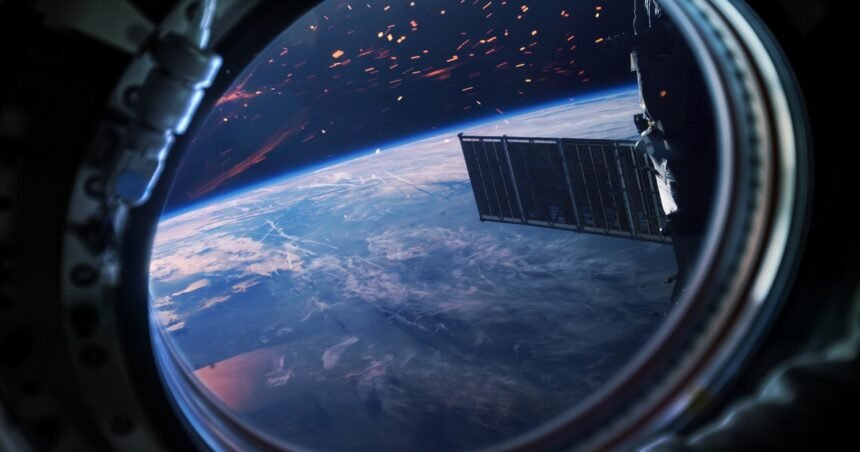
Somewhere above India, a satellite sweeps its radar across a city. It cannot see the streets, the rooftops or the traffic. What it sees is water — water moving where it should not be, seeping out of a buried pipe metres below the ground. A team in Mumbai reads that signal, marks a spot on a map, and a city crew digs exactly there and finds the leak. No trial pits, no torn-up roads, no guesswork. The company behind this quiet piece of detective work is Aumsat Technologies, and it is turning space technology into drinking water.
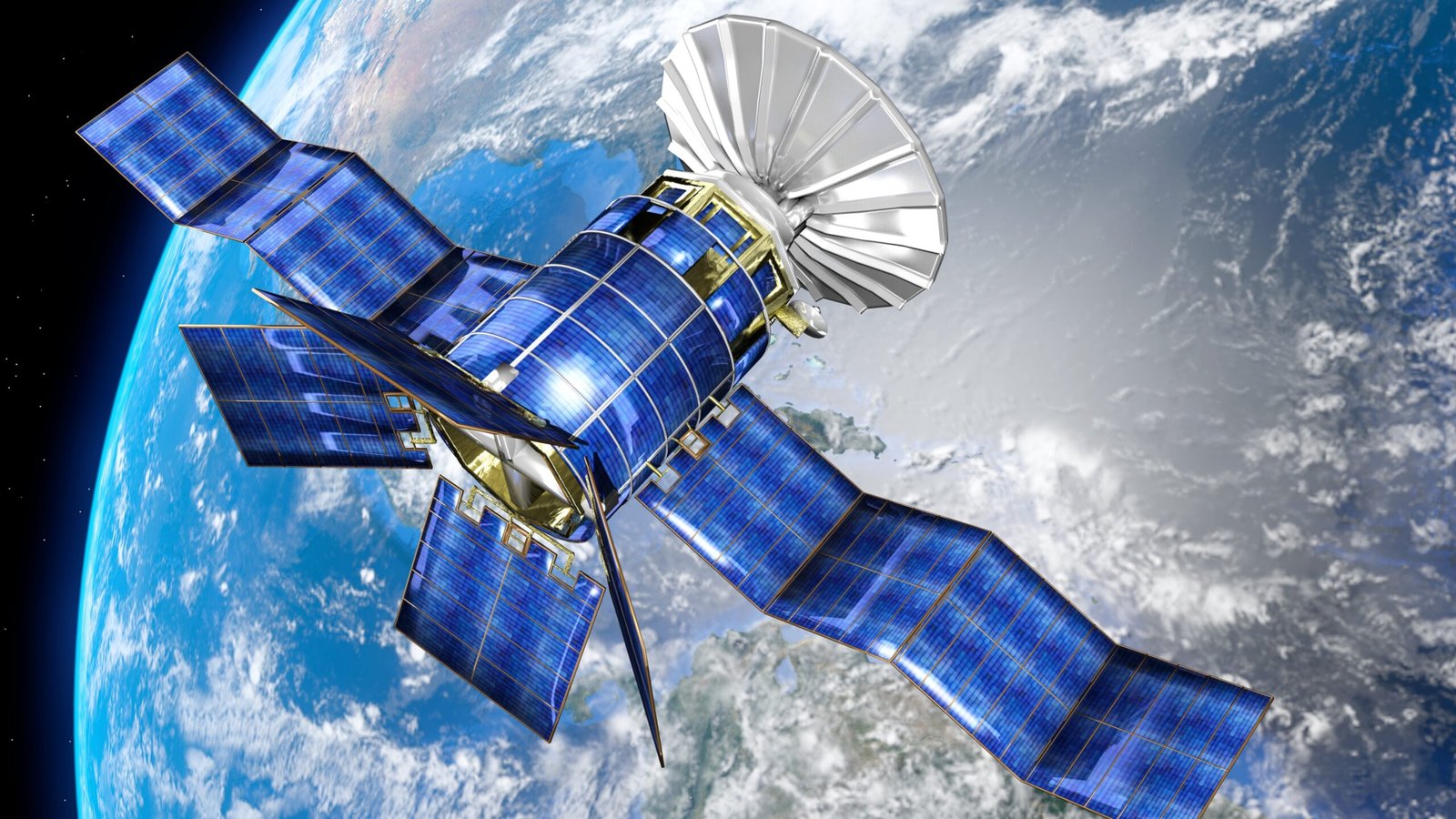
India’s water problem is partly a plumbing problem. The company puts the country’s non-revenue water — treated drinking water that is lost before it ever reaches a tap — at around 42% of total potable water resources. Pipes leak underground, invisibly, for months. Finding a leak the old way means digging, listening and hoping. Aumsat’s answer is to look from space instead.
From the Moon to the mains
The idea travelled from the Moon to Mumbai. Aumsat’s founder, Riddhish Soni, is a former ISRO scientist who worked on the Chandrayaan-2 mission, using radar to detect water on the lunar surface. He asked a simple question: if radar can find water on the Moon, why not use it to find water leaking under Indian cities? He founded Aumsat Technologies in Mumbai in 2019 with Chetan Soni, and the team — engineers and scientists the company says were trained by NASA, UNOOSA, ISRO, Google and the Harvard School of Design — built a platform that does exactly that.
The system works in three layers. Satellite radar imagery, including synthetic aperture radar that can sense moisture beneath the surface, is combined with geographic information systems and machine-learning models trained to tell a genuine leak apart from damp soil, a drain or a water body. The output is a map of likely leak points, ranked and ready for a utility crew, plus the same pipeline network digitised so a city finally knows where its own pipes run. The company says the method can detect leaks in pipelines buried up to 10 metres deep, and it also maps groundwater reserves and spots the best sites for groundwater recharge.
The numbers from the field
The proof is in the cities that have used it. In Udaipur, the company’s analysis identified 47 leaks in the city’s network, saving 36,000 kilolitres of water every month and securing revenue savings of around Rs 80 lakh for the utility. Across its work so far, the company says it has detected more than 3,400 leaks, conserved 80,000 kilolitres of water since 2019, and improved water supply for around 1.8 million people. Its technology has been tested and deployed in seven Indian smart cities — Udaipur, Gandhinagar, Bhopal, Mumbai, Indore, Nandurbar and Nanded — and with partners including PUB Singapore and SETOM France.
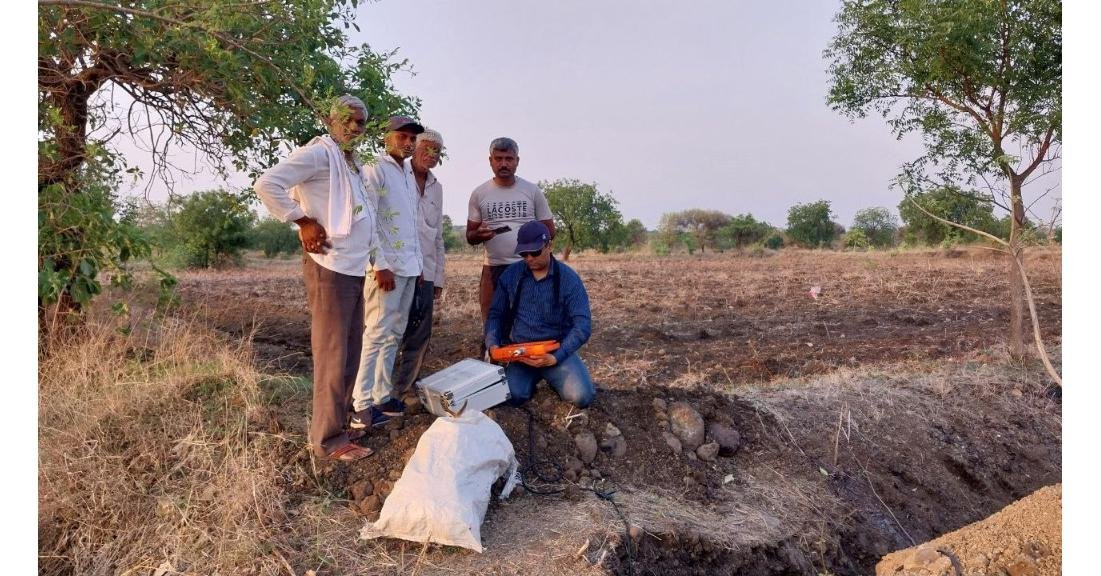
The work has gone beyond Indian cities. Aumsat was selected by the Japan International Cooperation Agency’s India office to run a satellite-based leak-detection pilot in Uttarakhand, delivered with the state’s drinking-water department and Deloitte between October 2024 and January 2025. The company’s client list also includes the Indian Army, and its platform now covers agriculture too — analysing crop health from the same satellite data — and environmental monitoring. Its vision is to digitise India’s pipeline network and help ensure 55 litres of water a day for every rural home by 2030.
More Read

A shelf full of recognition
The idea has collected awards almost as fast as leaks. Aumsat won the National Startup Award 2023 for its impact on rural communities, the Global Center on Adaptation’s Local Adaptation Champions Award 2023 in the business adaptation category, and a place among the top seven global startups in the UN World Food Programme’s climate-resilience programme. In 2026 it was named one of Nasscom’s Emerge 50 League of 10 — ten deep-tech startups chosen from 750 applicants. The company says it holds 21 patents, has scanned more than 44,000 hectares, and earns revenue from utilities that pay a fee per hectare per year for the platform and its analytics.
Why it matters
Two out of five people in India lack access to clean drinking water, and every litre lost underground is a litre a city has already paid to treat and pump. Aumsat’s achievement is to make the invisible visible: a leak that once took months of digging to find can now be pinpointed from orbit, fixed in days, and the water saved flows back to homes instead of into the soil. From a radar that once hunted for water on the Moon, a small Mumbai team is helping India keep the water it already has.
Keep reading: Takes Off Like a Drone, Flies Like a Plane: Inside Sarus Aerospace’s Shourya Mk4, the 97% Indian VTOL · The Drone That Launches Its Own Strike: Inside Rodella’s Firebird-E, the Bhopal Loitering Munition · More Aerospace & Defense stories
Like stories like this? Add Exceptional Technology as a preferred source on Google to see more of our reporting in your search results and Discover feed.