


The air inside a hospital room looks clean. It rarely is. Every breath, every door opening, every procedure stirs up invisible passengers — bacteria, viruses, fungal spores — drifting toward the patients least able to fight them off. A Bengaluru startup spent more than a decade building a trap for those passengers: a device that does not just catch germs, but destroys them as they fly through it.
Biomoneta Research, founded in 2014 by scientists Dr Arindam Ghatak, Dr Janani Venkatraman and Dr Santanu Datta, calls its platform ZeBox. At its heart is a deceptively simple idea: microbes carry a natural surface charge, so a precisely tuned, non-ionising electric field can pull them out of the air and onto three-dimensional textured electrodes coated with microbicidal agents, where electric and chemical forces inactivate them. The company says the process destroys more than 99.999% of targeted airborne microorganisms — including drug-resistant bacteria, airborne fungi, SARS-CoV-2, H1N1 and even Mycobacterium tuberculosis, one of the toughest airborne pathogens to eliminate.
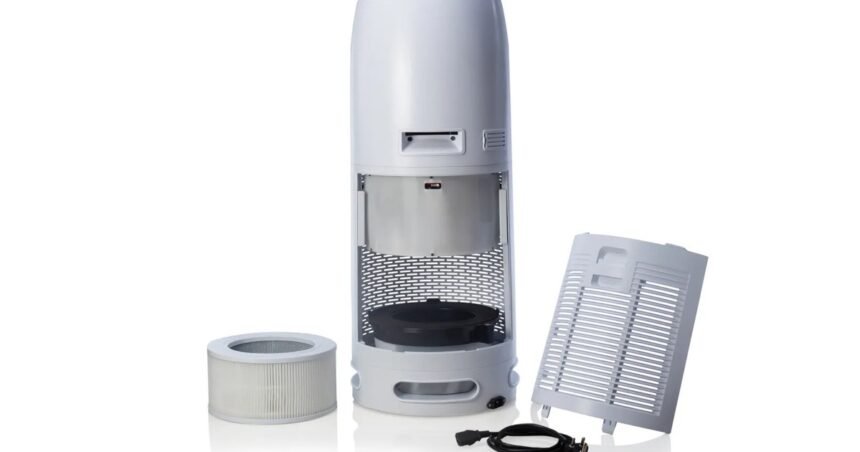
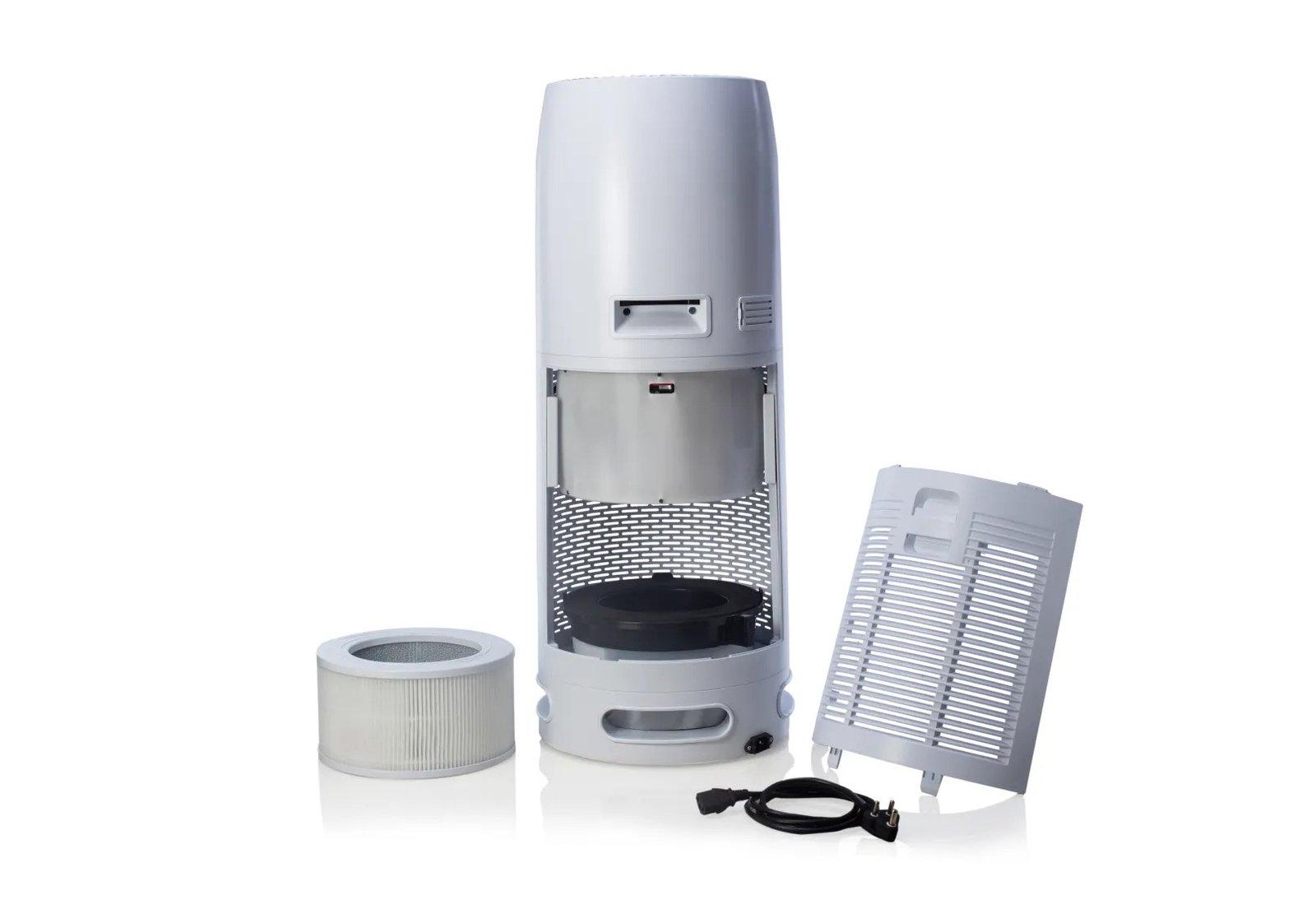 Biomoneta’s Avata Rx, opened up to show the decontamination chamber inside. (Image: Biomoneta)
What makes ZeBox different is what it leaves out. Conventional air cleaning traps particles on filters, bathes air in UV light, or fogs rooms with chemicals — approaches that need consumables replaced, lamps changed, or rooms emptied. ZeBox, the company says, uses no UV radiation, no chemical sprays and no intentionally generated ozone, so it can run continuously, silently, in rooms full of people — intensive care units, operating theatres, transplant units and neonatal intensive care units, where vulnerable patients need protection most.
That continuous protection earned Biomoneta a milestone no Indian company had reached before. In December 2025, the US Food and Drug Administration granted 510(k) Class II clearance to Avata Rx, the company’s clinical-grade medical recirculating air cleaner built on ZeBox — the first time an Indian company had achieved FDA clearance in the air-decontamination category. The clearance followed rigorous biocompatibility, electrical-safety and electromagnetic-compatibility testing, and it opened the door to hospitals and critical-care environments in the United States.
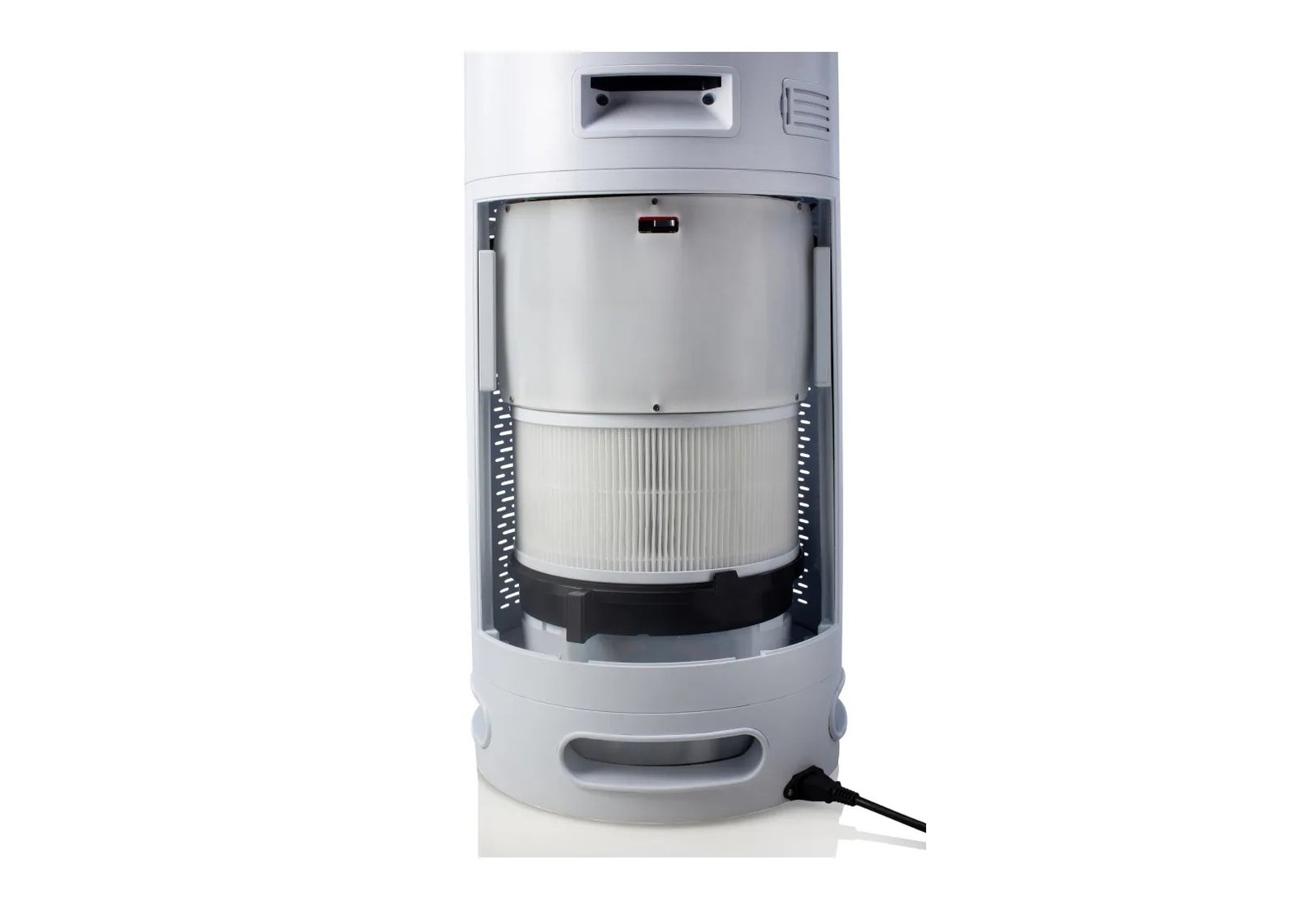 Inside the machine: the chamber where airborne microbes meet the ZeBox electric field. (Image: Biomoneta)
More Read

Behind the device sits a deep bench of validation. The company says its technology has been evaluated by the Indian Institute of Science in Bengaluru, ARE Labs in the US and Intertek, and a Department of Biotechnology-funded IISc study demonstrated the destruction of more than 10 million airborne SARS-CoV-2 viral particles within five minutes. Its intellectual property portfolio spans 11 granted patents across key jurisdictions, and the company holds ISO 13485:2016 certification for medical-device quality management.
Biomoneta is not only measuring cleaner air — it is measuring the microbes themselves. Its qAMI platform, a real-time Quantitative Airborne Microbial Index monitor, gives hospitals a continuous reading of airborne microbial load, turning infection control from periodic spot-checks into live, data-driven decisions. The company says a recently concluded clinical monitoring study in IVF operating theatres using qAMI and Avata Air showed a measurable and sustained reduction in airborne microbial load.
Today the company’s devices are commercially deployed across hospital operating theatres, ICUs and NICUs, pharmaceutical and biotechnology cleanrooms, food and dairy processing facilities, tissue-culture and stem-cell research laboratories, and even ambulances and critical-care transport. In September 2026 the same ZeBox science moved into Indian homes, as Avata Air — a consumer and institutional air cleaner with an Air Health Score from 0 to 100 built on qAMI — launched through Panasonic’s MirAIe Lifestyle platform, following Biomoneta’s engagement with the Panasonic Ignition programme.
The journey from a Bengaluru laboratory to an FDA-cleared medical device took eleven years of research, backed along the way by the Biotechnology Industry Research Assistance Council, the Karnataka government and the Centre for Cellular and Molecular Platforms (C-CAMP), with seed funding in 2020 led by Beyond Next Ventures of Japan. In October 2026, NITI Aayog’s Frontier Tech platform spotlighted ZeBox as one of India’s frontier technologies for safer healthcare.
Hospital-acquired infections touch an estimated 10% to 20% of hospital admissions in India. Biomoneta’s answer is to make the air itself part of the treatment — a room that quietly, continuously, destroys what drifts through it, so the most vulnerable patients breathe air that is working as hard as their doctors are.
Keep reading: One Cell in a Billion: Inside Actorius, the Pune Company Catching Cancer’s Return from a Simple Blood Test · From Trash to Treasure: Inside PolyCycl, the Chandigarh Startup Turning Single-Use Plastic Back Into Virgin Plastic · More Chemicals, Materials & Life Sciences stories
Like stories like this? Add Exceptional Technology as a preferred source on Google to see more of our reporting in your search results and Discover feed.







