Every factory has the same quiet enemy: the wait. A production line stands ready, workers in place, machines warmed up — and nothing moves, because the parts are still on the other side of the building. Multiply that wait across hundreds of deliveries a day, and a factory can lose hours of output without a single machine breaking down. Botsync, a robotics company whose engineering heart beats in Bengaluru, has built its business on ending that wait.
The company has just raised $11 million (about ₹103 crore) in a round led by IvyCap Ventures, with Capital 2B, AppWorks, Iterative, AngelCentral, Genesis Alternative Ventures and angel investor Nalin Advani also taking part. The round takes Botsync’s total funding past $20 million, following a Series A extension in January 2026 led by SGInnovate and a $5.2 million Series A in June 2024. The company says the fresh capital will go into upgrading its MAG mobile robots, adding AI features to its SyncOS software, and growing its engineering and project-delivery teams in India.
One brain, many hands
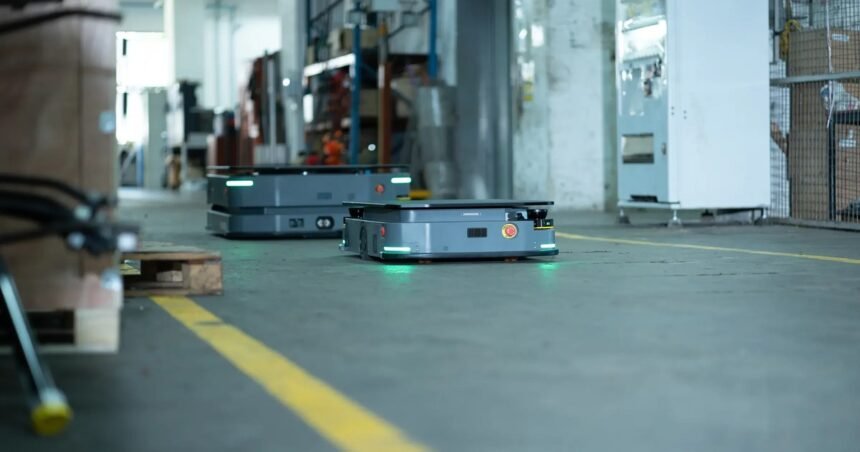
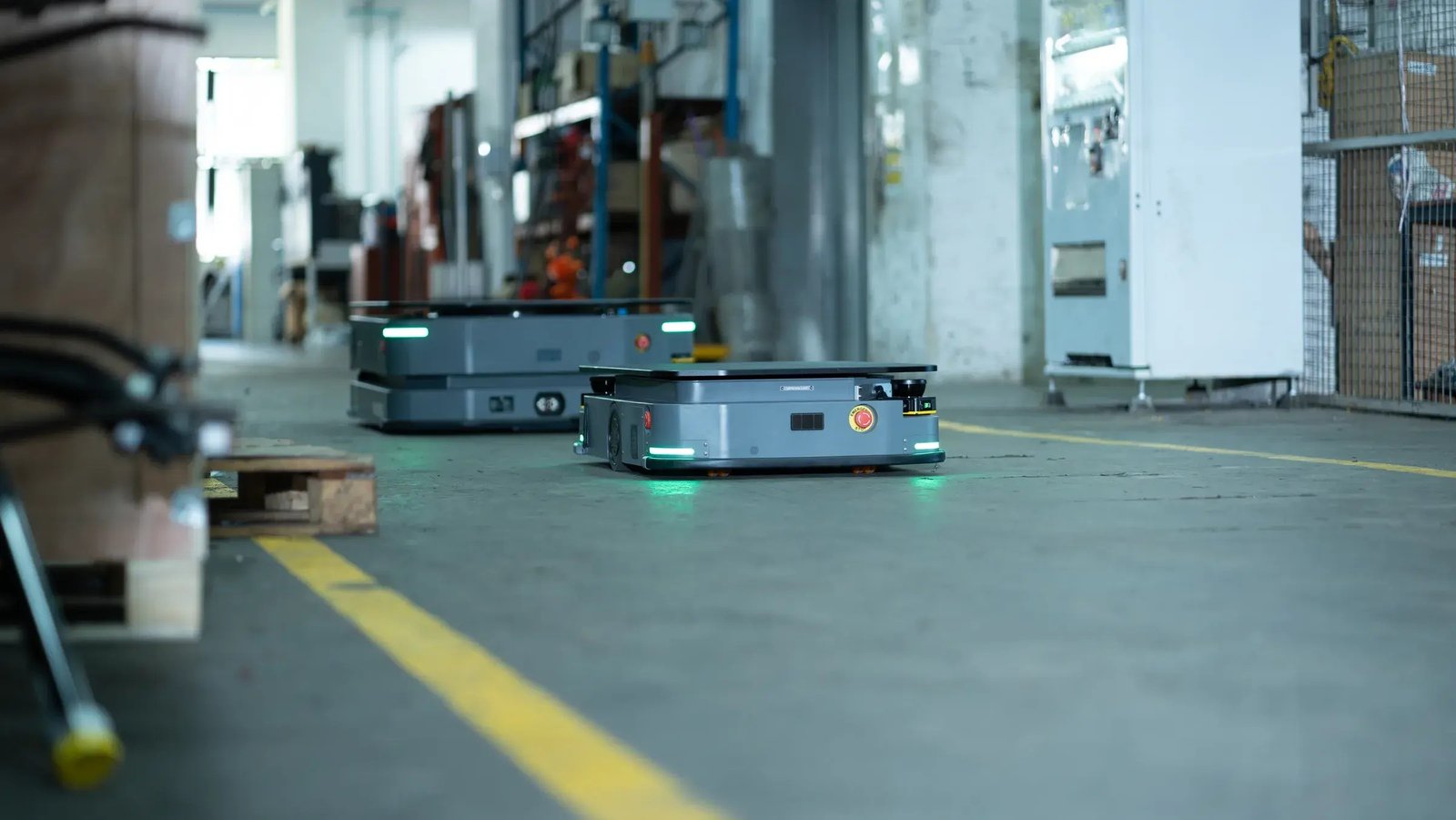
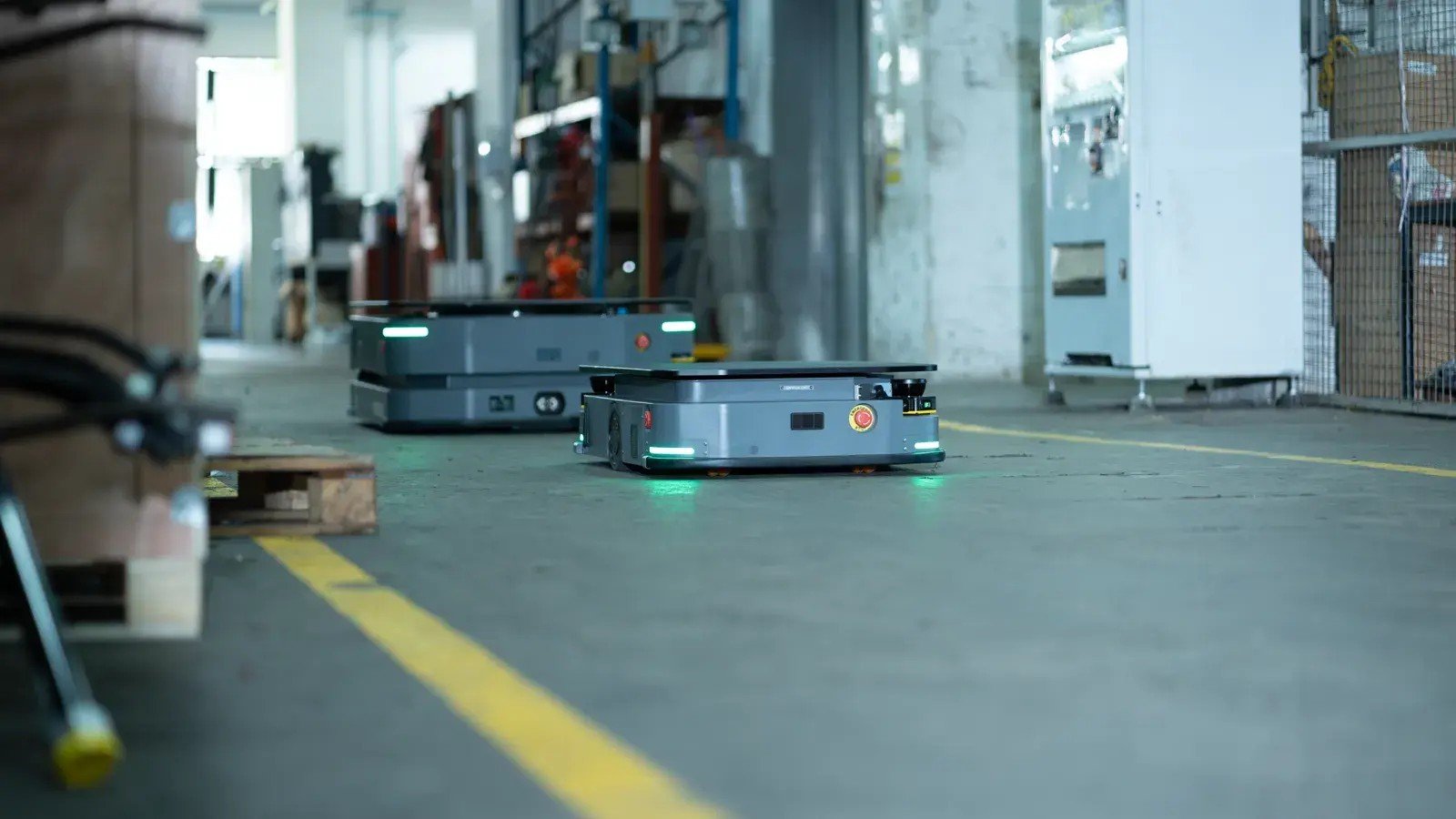
Botsync’s answer to the waiting line comes in two parts that work as one system. The hands are the MAG range of autonomous mobile robots — driverless material movers that carry loads of up to 1.5 tonnes between production lines, storage areas and dispatch bays. The range covers lifters, conveyors, tuggers and forklifts, and the robots dock, charge and keep running shift after shift at 99% uptime, the company says.
The brain is SyncOS, which the company describes as a Physical AI platform. It connects every robot, machine and enterprise system on a factory floor — AMRs and AGVs from any manufacturer, not just Botsync’s own, along with conveyors, automated storage and ERP and warehouse-management software — and runs them through a single interface. Its no-code tools let a factory team design process logic from pre-built templates, and its AI agents draft a deployment design from proven installations and build integrations from the plant’s own WMS, ERP and PLC documentation. The company says a system can be live in weeks, not months, and that workflows can be changed while production keeps running, with no downtime set aside for the switch.
Measured at live plants
The numbers Botsync points to come from plants already running its systems. The company says its robots and software have completed more than 2 million production tasks across 70-plus projects in nine countries, with over 200 systems deployed for 30 enterprise clients. Its customers include Caterpillar, Ford, Nestlé, Honda, Coca-Cola and Kimberly-Clark, and its first markets are automotive and fast-moving consumer goods, where material has to move constantly between lines, stores and dispatch.
At live deployments, the company says, the system delivers up to 45% fewer late deliveries and 10% more deliveries per hour, with 99.8% error-free running time sustained over 17-plus weeks. SyncOS watches every delivery that runs late, anticipates demand from production schedules and warehouse orders, sends the right robot before a line starves, and reroutes around live traffic — then learns from each shift which fix worked best.
More Read

Why it matters now
Botsync was founded in 2019 by Nanyang Technological University graduates Rahul Nambiar, Nikhil Venkatesh and Prashant Trivedi, and it is headquartered in Singapore, with offices also in Indonesia, Thailand, Hong Kong and Australia. But India is both a market and a capability centre for the company: most of its engineering team is based here, and its Bengaluru office and experience centre serve automotive and industrial manufacturers across the country. The new funding will deepen that Indian base even further, with more engineering and project-delivery hiring here to support deployments around the world.
That matters because the factory floor is where India’s manufacturing ambitions are actually won or lost. Robots that move material on their own, and software that makes every machine on the floor cooperate, turn a plant’s existing equipment into one coordinated operation — without ripping anything out and starting again. Botsync’s bet is that the future of the factory is not a single clever machine, but a whole floor that runs as one. Two million tasks in, the floor seems to agree.
Keep reading: 16,500 Levels in a Single Device: Inside MBrain AI, the Bengaluru Startup Building Brain-Inspired Chips from Molecules · A 110-Kilogram Spinning Drum at 12,000 RPM: Inside Sarkhel, the Pune Battle Bot That Finished Fourth in the World · More Industrial Automation & Technology stories
Like stories like this? Add Exceptional Technology as a preferred source on Google to see more of our reporting in your search results and Discover feed.