Most cancers in India are found late. Screening still means a hospital visit, a specialist’s time, and a long journey to reach both — barriers that mean many cases surface only when symptoms finally force patients to seek help. The country diagnoses an estimated 1.46 million new cancer cases a year, yet less than one percent of the population ever gets screened.
A Bengaluru startup says the answer to that gap may be a breath sample and a beagle. Dognosis builds canine olfaction AI: a system that turns trained detection dogs into standardised, measurable instruments for early cancer screening. Its flagship test, BreathEasy, is designed to assess a person’s risk for multiple cancer types from a single ten-minute breath sample — a triage signal that precedes, not replaces, the imaging, biopsy and confirmatory tests that follow.
Dognosis, founded in 2024 and incorporated as Dognosis India Private Limited, pairs co-founder and CEO Akash Kulgod — a cognitive-science graduate who studied animal scent detection in labs across Israel, Budapest and the UK — with co-founder Itamar Bitan, who served four years in Oketz, the Israel Defence Forces’ canine unit, and later worked at an Israeli startup running clinical trials on dogs detecting breast cancer and Parkinson’s. Kulgod’s observation was simple: dogs can already detect cancer in breath; the hard problem was making their judgement standardised, verifiable and scalable.
The system: nose, helmet, algorithm
The test starts unremarkably. A person breathes into a surgical mask for ten minutes. The mask is sealed under a documented chain of custody and sent to Dognosis’s facility outside Bengaluru; the company says sealed samples retain potency for up to three months, so collection can happen far from the lab.
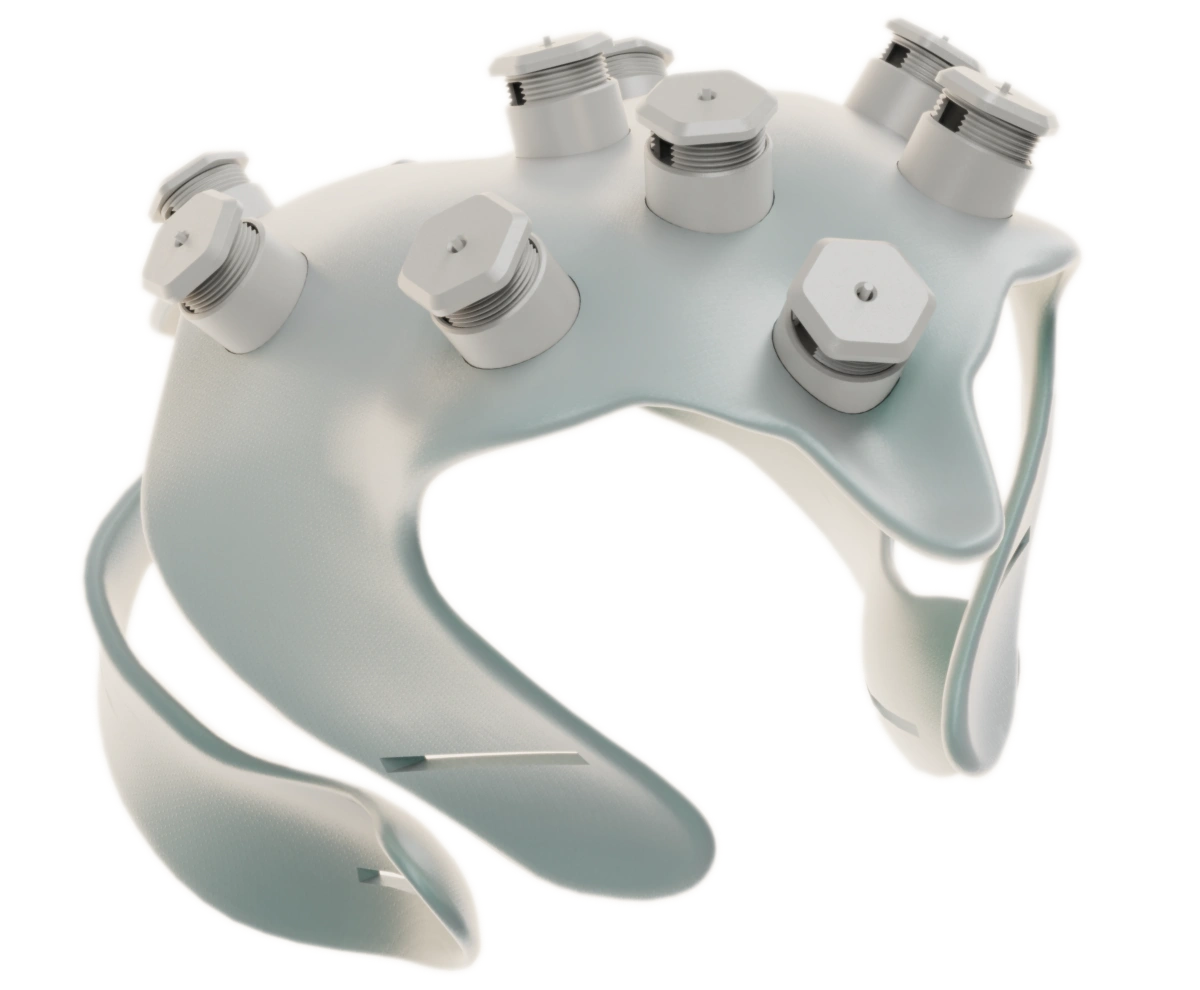
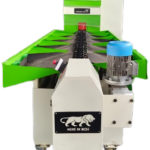
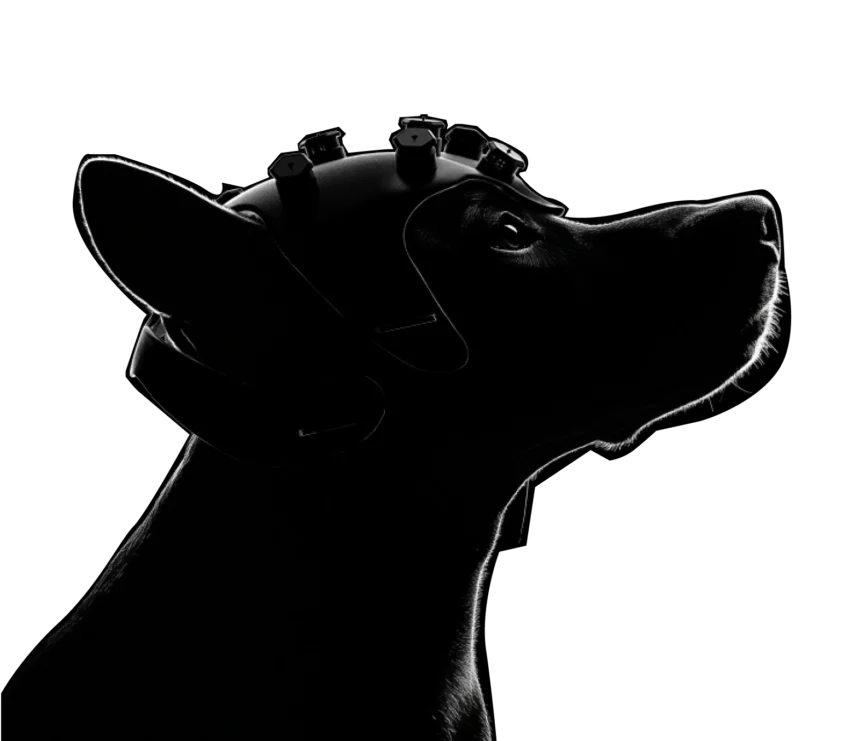
Then the system takes over. At the lab, a fully automated platform called SniffSpace V2 presents the sealed samples to the dogs and records their reactions live — up to 72 samples per session, with no human handling a sample mid-run. Each dog wears DogSense, the company’s patented brain-computer interface: a 3D-printed, EEG-based helmet custom-fitted to the dog’s head that records brain activity, heart rate, breathing and movement during sniffing. A machine-learning layer called DogOS decodes those signals into a risk score for each sample.
More Read
The engineering logic is that the nose was never the bottleneck — dogs have around 300 million olfactory receptors and can detect odour concentrations down to one part per trillion. The bottleneck was standardisation. In the past, a handler watched a dog sit or bark and made a judgement call. Dognosis’s sensors exist to remove that guesswork. “We start from the dog’s own judgement and work backwards, reading its full natural response,” Kulgod told YourStory.
The pack currently numbers 15 dogs, drawn from shelters and ethical breeders around Bengaluru and chosen for temperament rather than breed. Most are beagles; the company says one of its best-performing dogs, Chloe, is a rescue mix of an Indie street dog and a Labrador.
The numbers: a published Phase II trial
Claims this bold need published evidence, and Dognosis has some. A Phase II study of 3,275 participants across six hospitals in Karnataka, covering more than 20 cancer types, was published in the Journal of Clinical Oncology in April 2026. In the blinded test set, BreathEasy identified 90.8% of participants with cancer and correctly cleared 91.3% of those without — and notably flagged 90.3% of Stage I cases, the stage where early detection matters most.
Two caveats belong in the open. The study was company-funded, with several authors employed by or holding shares in Dognosis — that is disclosed, and it means independent replication is still ahead. And the company positions BreathEasy as a triage tool rather than a diagnosis: a positive signal sends a person toward imaging and biopsy, and at 91.3% specificity, a general-population rollout would still produce false positives that need follow-up. Dognosis says ongoing studies are designed to show how often a flagged person actually requires further diagnostic tests.
The business: from Accel Atoms X to a 2027 launch
Dognosis has raised $6.1 million to date, following a $1.5 million pre-seed round in 2024 and its selection for the inaugural Accel Atoms X accelerator cohort in March 2026. Its investors include Accel, Prosus, The House Fund, Caffeinated Capital, MBX Ventures and MomentUp Capital, and the company was named to YourStory’s Tech30 2026 cohort.
BreathEasy is set to launch in Bengaluru in early 2027, direct to consumers with a waitlist already open. The plan is kiosks at partner hospitals and clinics for walk-in access, partnerships with imaging chains for follow-up diagnostics, and expansion into institutional and government screening programmes. The company says it is working towards screening around a million samples a year by running several SniffSpace platforms side by side on a single campus — and is preparing to deploy SniffSpace with its UK collaborator Medical Detection Dogs, which plans to set up a US lab in 2027.
The deeper bet is not really about dogs at all. It is that biology, measured properly, can be a better sensor than the machines we would otherwise build — and that a low-cost, needle-free first filter for cancer is the piece India’s screening gap has been missing.