


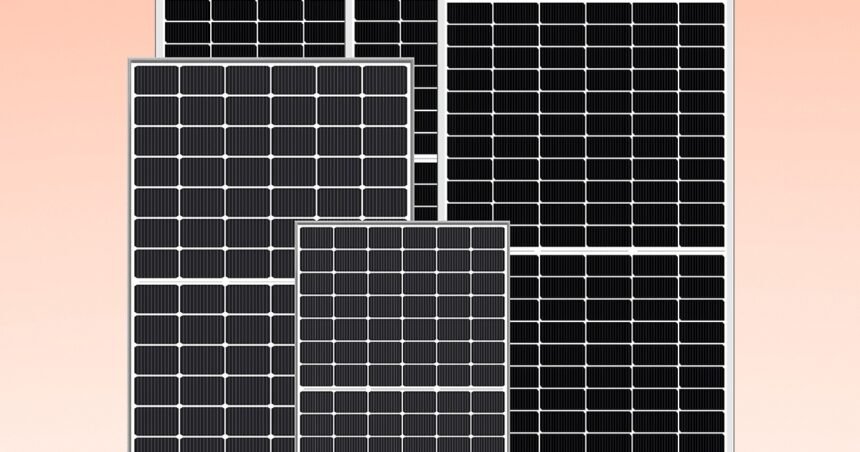
Every rooftop in India that goes solar needs the same four things: a panel, an inverter, a battery and a cell at the heart of the panel. For decades, the cell — the wafer of silicon that actually turns sunlight into electricity — was the one piece India mostly bought from abroad. In January 2026, a company that has been quietly building India’s rooftop solar backbone for thirty years decided to make the cell itself. It built the factory in six months.
Fujiyama Power Systems Limited, the company behind the UTL Solar and Fujiyama Solar brands, was founded in 1996 by two engineers, Yogesh Dua and Pawan Garg. What began as a power-backup business has grown into one of India’s largest rooftop solar manufacturers: four manufacturing units across Greater Noida, Dadri, Parwanoo and Bawal, more than 522 product lines spanning solar panels, inverters and batteries, a distribution network of over 7,300 channel partners, and more than 1 GW of rooftop solar installed across the country. In November 2025 the company listed on the stock exchanges, and the growth since has been striking: in the second quarter of FY27, the company says, revenue reached Rs 13,068 million, up 130% on the same quarter a year earlier.
The centrepiece of the build-out is the solar cell plant at Dadri in Uttar Pradesh. Commissioned on 21 January 2026 with an investment of about Rs 300 crore, the 1 GW plant makes Mono PERC solar cells that meet India’s domestic content requirement — the standard that unlocks government subsidy-linked demand, including the PM Surya Ghar rooftop programme. The plant was inaugurated by Santosh Kumar Sarangi, Secretary at the Ministry of New and Renewable Energy, alongside Joint Secretary Rajesh Kulhari. The entire output is used in-house: every cell feeds Fujiyama’s own module lines, so the panels rolling out of Dadri are Indian from the wafer up.
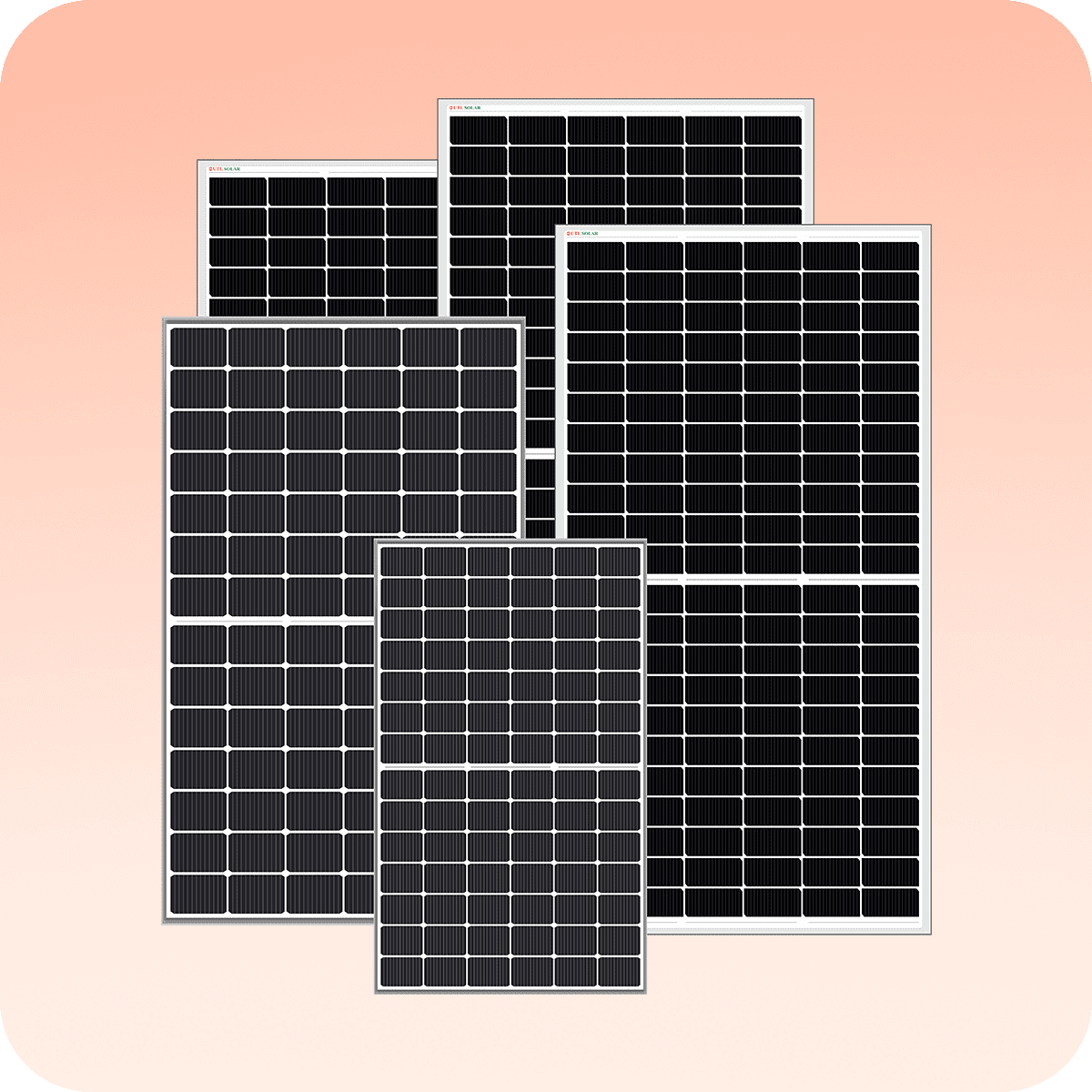
That vertical integration is the company’s real product. Fujiyama does not just assemble panels: it makes the cells, the modules, the inverters and the batteries that turn a rooftop into a power plant. Its TOPCon modules reach up to 23% efficiency, its patented rMPPT technology squeezes more energy out of its inverters, and its catalogue runs from 40 Wp panels for a single home to 136 kW on-grid inverters and 48 kWh lithium batteries for factories. The company says its R&D team of more than 65 engineers keeps pushing that range wider, and its plants are certified to ISO 9001, ISO 14001 and ISO 45001.
The build-out is still accelerating. In the same quarter that revenue more than doubled, Fujiyama commissioned a 2 GW power electronics facility at Ratlam in Madhya Pradesh, taking its total power electronics capacity to 4.1 GW. A 1 GWh tubular battery plant at Hathras in Uttar Pradesh is expected to follow by the third quarter of FY27, and a 1.2 GW TOPCon solar cell plant at Ratlam is on track for the first quarter of FY28 — which would take the company’s total cell capacity to 2.3 GW. Module capacity already stands at 3.6 GW across Ratlam, Dadri and Noida. From cells to inverters to batteries, the whole solar value chain is being built under one roof, in India, by an Indian company.
Thirty years after two engineers started building power backup in Delhi, Fujiyama Power Systems is doing something the Indian solar industry has waited a long time for: making the most import-dependent part of a solar panel at home, at gigawatt scale, and fast enough that a factory can rise in six months. The rooftops are next.
More Read

Keep reading: Every Parking Spot a Charge Point: Inside Kazam, the Bengaluru Company Wiring India’s EV Future · Saving the Sun for After Dark: Inside AmpereHour Energy, the Pune Company Building India’s Grid Batteries · More Energy & Power stories
Like stories like this? Add Exceptional Technology as a preferred source on Google to see more of our reporting in your search results and Discover feed.







