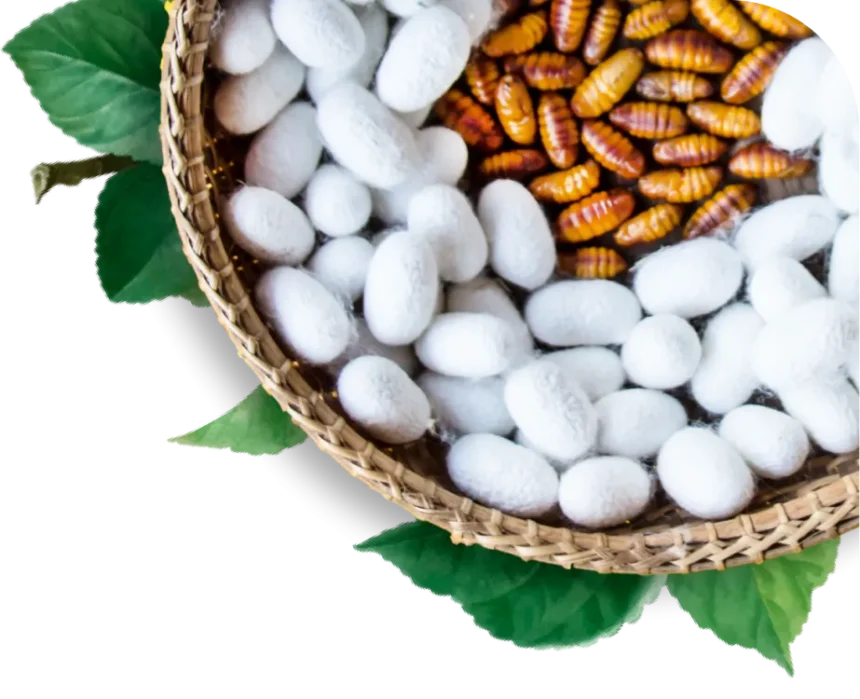
Somewhere between a silk farm and a pharma plant sits an idea so elegant it feels inevitable. Loopworm of Bengaluru has turned the silkworm — an insect India has farmed for thousands of years — into a living bioreactor. No stainless-steel fermenters, no mammalian cell-culture suites: just the caterpillar, reprogrammed to brew custom proteins. It is one of the most inventive pieces of biomanufacturing engineering to come out of India this year.
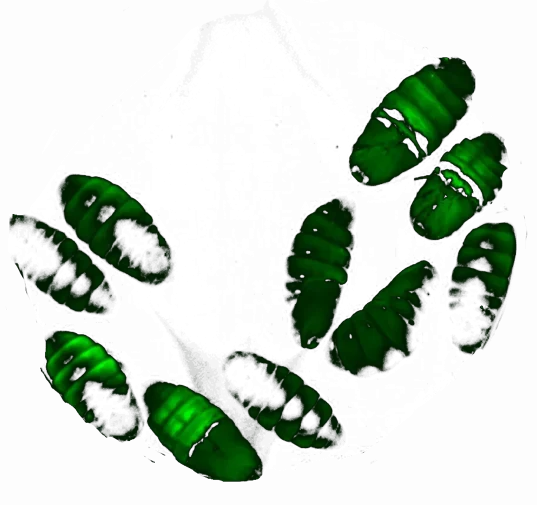
The platform is called LoopBac, and it is a plug-and-play gene-delivery system: the company inserts the genetic instructions for a target protein into the silkworm, and the insect’s own biology does the rest — expressing antigens, antibodies and enzymes faster, more affordably and at higher yield than conventional fermenters and cell culture, the company says. In 2025 Loopworm proved the concept by producing jellyfish green fluorescent protein inside silkworm pupae, and has since validated the process with more than five proteins at its pilot recombinant facility, using methods designed to scale.
This is no lab curiosity — Loopworm already runs a commercial operation at serious scale. LoopFactory is a 6,000-tonne-per-year insect-processing facility in Bengaluru (4,000 sq. m) with its own R&D lab next door, converting silkworm cocoon byproduct into branded protein powder and oil for aquaculture, poultry and pet food. The company says the business has turned profitable, exports to nearly a dozen countries, and counts India as its biggest market. A PwC India life-cycle assessment conducted under ISO 14040/14044 found its silkworm feed ingredients carbon-negative at −2.56 kg CO₂e per kilogram — and the company holds CAA approval for aquaculture feed use plus ISO 22000, GMP+ and HACCP certifications.
The feedstock maths is a circular-economy delight. India produces around 40,000 tonnes of silk a year, and from every 50 kg of cocoon only about 7 kg becomes silk — the remaining pupae were historically underutilised waste, which Loopworm now buys as feedstock, the company’s CEO says. Now the company is aiming higher: diagnostic reagents and specialty enzymes first — viral antigens and virus-like particles for in-vitro-diagnostic and research use — then kinases and membrane proteins for pharma R&D, and eventually vaccine antigens for veterinary and human use. Every one of these is a product class India currently imports. If Loopworm succeeds, a waste stream from India’s silk belt becomes the raw material for medicines made in India.
Loopworm was founded in 2019 by IIT Roorkee alumni Ankit Alok Bagaria and Abhi Gawri, who started the company after reading a UN report calling insects the future of food and feed. Seven years later, they have built something rarer: a company that sells a profitable product today while engineering the bioreactors of tomorrow. The silkworm spent millennia spinning silk for India. Now it is learning to spin medicine.
Keep reading: Two Targets, No Escape: Inside the Nucelion–VeGen Bio Alliance Building India’s First Dual-Target CAR-T Cancer Therapy · The Seat That Turns to Meet You: Inside TRUE Assistive Technology, the Bengaluru Startup Opening Car Doors for India’s Disabled and Elderly · More Chemicals, Materials & Life Sciences stories
More Read

Like stories like this? Add Exceptional Technology as a preferred source on Google to see more of our reporting in your search results and Discover feed.