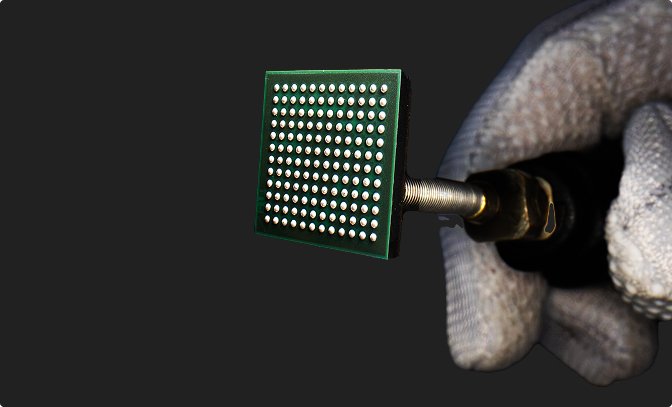
Every smart lock, biometric reader and CCTV camera sold in India runs on imported silicon — the country consumes more than a billion chips a year, and almost none are designed at home. A startup in Chennai is changing that arithmetic one tape-out at a time. Mindgrove Technologies has built Secure IoT, a 28-nanometre RISC-V system-on-chip widely described as India’s first commercial-grade indigenous high-performance microcontroller — and the chip is now moving from lab benches into real products: smart locks, biometric access systems, camera modules, and even school classrooms.
The chip for the missing middle
Mindgrove’s co-founder and CEO Shashwath TR set out to design chips for what he calls the middle market — the unglamorous, high-volume world of connected devices that sits between simple microcontrollers and flagship application processors. Secure IoT is his answer: a 700 MHz system-on-chip built on the open-source Shakti RISC-V processor developed at IIT Madras, taped out at the 28-nanometre node, and designed and sent for manufacturing in eight months — a fraction of the usual two-to-three-year chip development cycle.
The specifications read like a checklist for the IoT age: 96 functional I/O pins covering GPIO, PWM, QSPI, SPI, UART, I2C and ADC; peak power consumption under 200 milliwatts; and software support for Zephyr, FreeRTOS and NuttX with Eclipse and VS Code tooling. The company says Secure IoT costs about 30% less than comparable chips in its class — a deliberate pitch to domestic original equipment manufacturers who want an Indian-designed SoC in their products without paying a premium for it. The target applications span wearables and smartwatches, smart locks and fans, connected electricity, water and gas meters, thermal printers, point-of-sale machines, access-control hardware and EV battery management systems.
Security baked into the silicon
What distinguishes Secure IoT from a commodity microcontroller is its security architecture. The chip carries on-chip cryptographic accelerators and FIPS-140-2 certified random number generators — hardware-level protection for connected devices that increasingly hold sensitive data. As cameras and access-control systems multiply across Indian cities, that matters: Mindgrove argues that security-conscious buyers, from infrastructure operators to regulated enterprises, want not just a working chip but a trustworthy one, with supply-chain transparency they can audit.
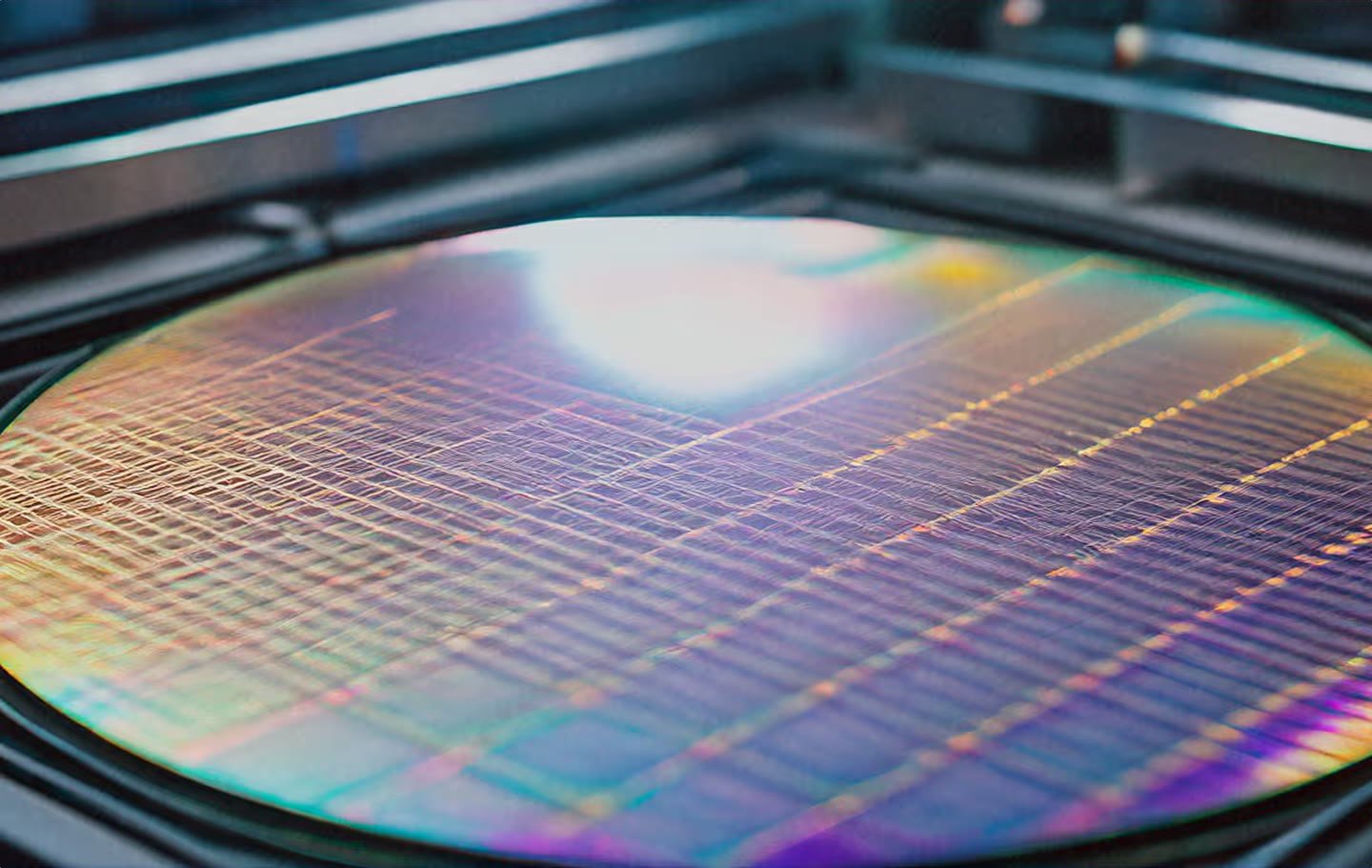
Image: Mindgrove Technologies (official company image).
More Read
The second act: a vision chip for the camera age
Mindgrove’s second chip goes further up the stack. The V2600 Vision SoC is a GHz-class processor platform for edge computer vision — AI-based video processing and decision-making done on the chip itself, so less data needs to travel to the cloud. The applications the company lists read like a catalogue of India’s surveillance and automation build-out: secure CCTV cameras, automotive dashcams and driver-assistance systems, machine vision for industrial automation, multi-input biometric access control, smart-city surveillance, smart TVs and connected consumer devices.
The V2600 is being developed with support from the Ministry of Electronics and Information Technology’s Design Linked Incentive (DLI) scheme — Mindgrove was approved for Rs 15 crore under the programme — and it already has a first commercial partner. In June 2026 the startup signed a memorandum of understanding with Prama India, a video security and surveillance technology company, to supply its indigenously designed chip for Prama’s security product portfolio. According to Shashwath, the chip is past the design phase and in validation, with prototyping targeted by the end of the year, customer trials to follow, and a commercial launch targeted for late 2026.
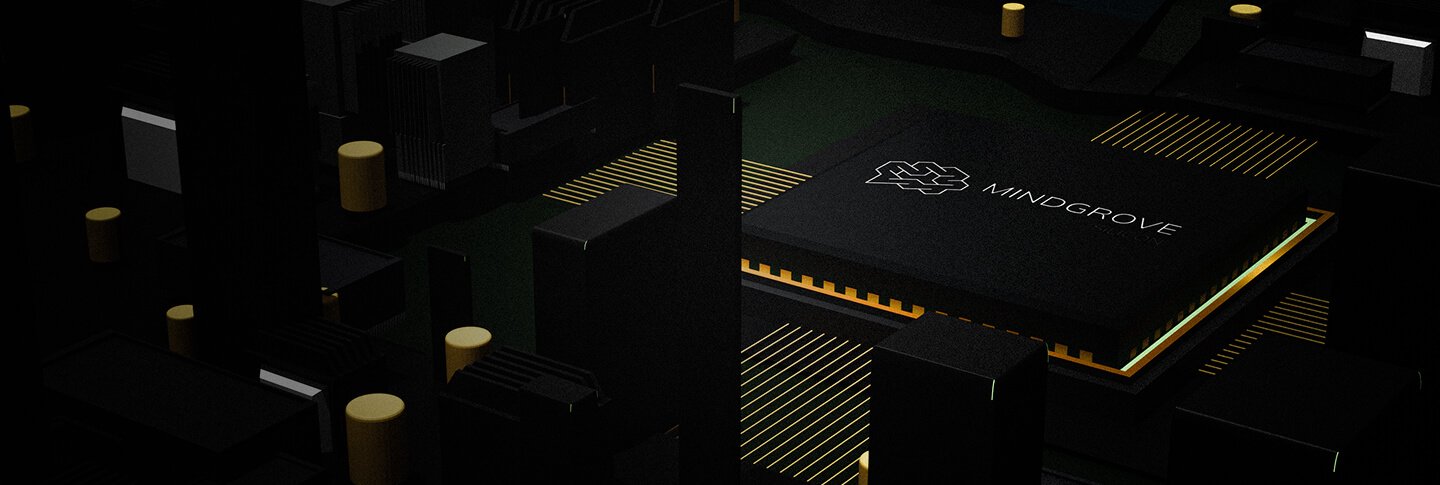
Image: Mindgrove Technologies (official company image).
From prototype to product
The V2600 is not Mindgrove’s only route to revenue. In a two-year commercial agreement reported by The Hindu BusinessLine, the startup partnered with Pune-based electronics design firm Pinetics — described as the first time an India-designed chip will be integrated into commercial biometric access control systems, smart locks and camera applications, with plans to expand into more product categories. The partnership addresses a persistent gap in India’s electronics value chain: the country has strong capabilities in PCB design and assembly, but nearly all semiconductor components in finished products have been imported.
Meanwhile, Mindgrove’s silicon is already reaching students. In an interview with Mint, Shashwath said the Secure IoT chip is already in use by a small number of customers such as AtumX, a robotics education platform, with a pilot order of 500 chip-powered computing boards headed for schools in the northeast, Jammu & Kashmir and Tamil Nadu. About half a dozen clients are testing Mindgrove chips in biometrics and CCTV systems, and the company expects its first revenue this financial year. Evaluation boards and developer kits are shipping, and mass shipments of Secure IoT are targeted by the end of the year.
The company behind the silicon
Mindgrove was founded in 2021 and incubated at the IIT Madras Research Park, drawing on the institute’s Shakti RISC-V programme and chip-design ecosystem. It has raised about $10.3 million so far, including an $8 million Series A in December 2024 co-led by Rocketship.vc and Speciale Invest, with participation from Peak XV Partners, Mela Ventures and Whiteboard Capital. TiE Chennai named it Startup of the Year 2026.
India’s semiconductor story has so far been told in announcements — fabs promised, incentives declared, wafers unveiled. Mindgrove’s version is quieter and further along: real silicon, in validation, with customers testing it and a second, more ambitious chip on the way. If the Secure IoT and V2600 hit their year-end targets, the first commercial chips designed in India won’t be a milestone on a slide. They’ll be inside the devices.