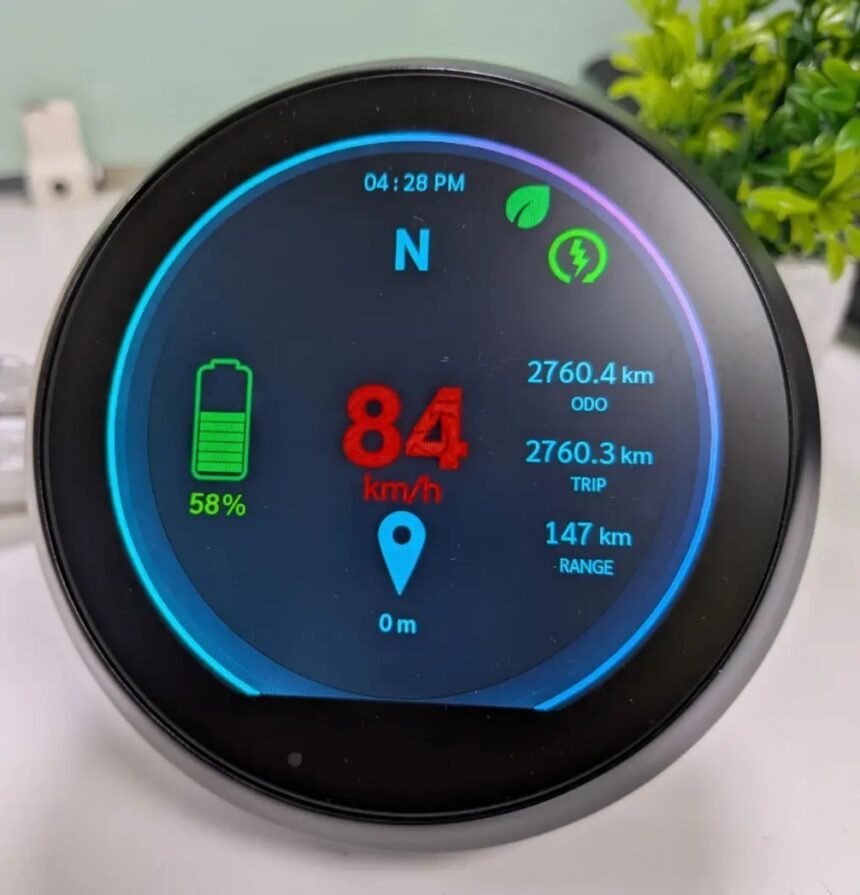
Picture the dashboard of an Indian electric bus pulling out of a depot at dawn. The screen in front of the driver shows speed, battery and range at a glance. Behind the fascia, a small computer is watching the road, the brakes and the driver’s eyes, ready to sound an alert if attention drifts. None of that hardware arrived from abroad. It was designed and built in Bengaluru, by a company called OptM Solutions, and it is already running in vehicles from two-wheelers to buses.
OptM Solutions is a product-first automotive electronics company headquartered in Bengaluru, with teams in Pune and Delhi and more than 130 people. Founded in 2019 by Umesh Tallam, who leads the company as chief executive, it builds the electronic brains that sit between a vehicle’s mechanical parts and the software that drives it. Its client list runs to more than 25 names, including Tata, Jio, Harman, Pioneer and DRDO, alongside a long line of Indian electric-vehicle makers such as BGauss, Olectra, Yuma, Blue Energy Motors, Gravton, Jupiter Mobility, Numeros, MoonRider and Liger.
The cockpit, rebuilt in India
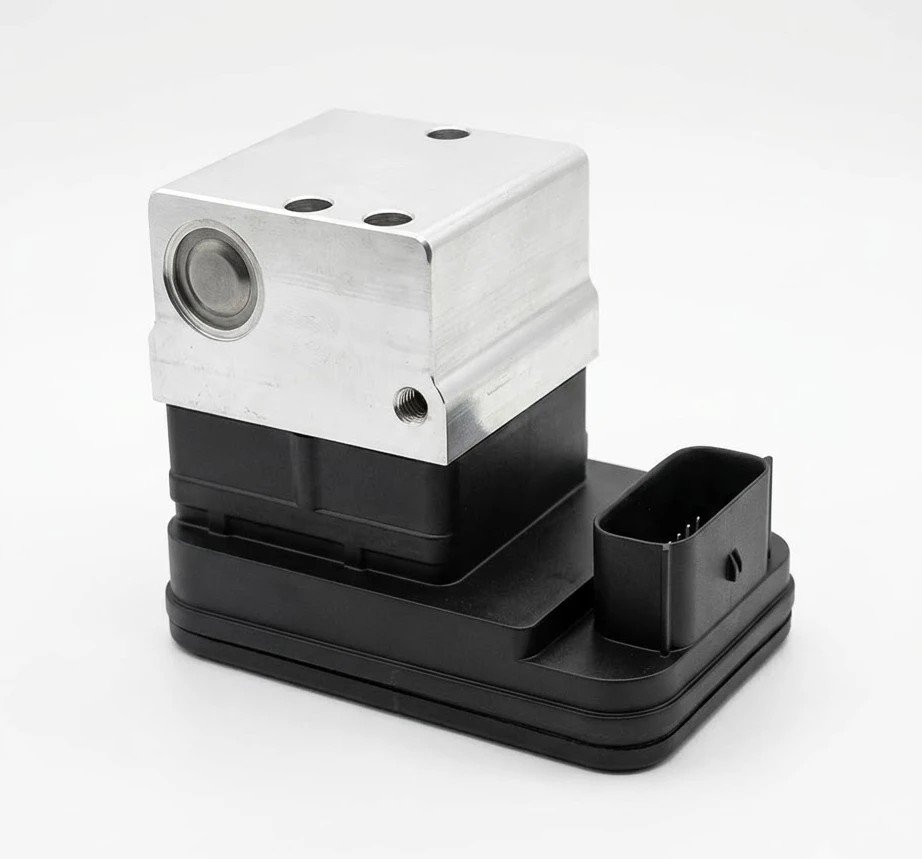
OptM’s home ground is the vehicle cockpit. The company offers five variants of digital instrument cluster, spanning electric two-wheelers all the way to buses, trucks and tractors, so the same engineering core serves a scooter and a highway bus. Around the cluster sits a full shelf of production-ready hardware: anti-lock braking system control units, vehicle control units under its CortX brand, telematics control units, infotainment systems and driver monitoring systems that watch for fatigue behind the wheel.
Underneath the hardware sits the company’s driver-assistance work. Its ADAS stack, which OptM calls the D3 Stack, covers detection, determination and decision, fusing camera, radar and other sensor inputs to perceive the road and act on it. The same team builds software-defined vehicle platforms, the architecture that lets a car’s features be updated and extended through software rather than a workshop visit. All of it is engineered to functional-safety standards including ISO 26262, DO-178C and MISRA, and the company works with silicon from NXP, MediaTek, Infineon, Renesas and Amlogic, and is a Qt Official Service Partner for in-vehicle interfaces.
From the road to the battlefield
The same electronics that make a bus safer are now being pointed at a very different machine. OptM is building an Indigenous Battlefield Intelligence Platform for unmanned ground vehicles, a system that lets a driverless vehicle sense, decide and move on its own. At its heart is tactical edge AI that processes what the vehicle sees on board, with no dependence on the cloud. Navigation keeps working when satellite signals disappear, using multi-sensor dead-reckoning and SLAM to find its way under jamming or heavy interference, and the vehicles talk to each other and to a ground station over encrypted vehicle-to-everything mesh links.
The platform has already earned the Karnataka government’s backing. It was recognised under the state’s ELEVATE NxT 2026 DeepTech programme, one of 33 deeptech winners sharing nearly Rs 33 crore in grants, and the company says it has raised more than Rs 1.5 crore since receiving ELEVATE support. OptM was also one of seven growth-stage startups picked for the government’s Innoverse DeepTech Enabler cohort, and it showcased the platform at the Bengaluru Tech Summit 2026 in November, where its team described the intelligence engine as game-theoretic, built for coordinated decision-making across a fleet.
More Read

The quiet standard-setters
OptM’s work also reaches into the radio in the dashboard. The company is a member of the Digital Radio Mondiale Consortium alongside Inntot Technologies and Fraunhofer IIS, and the three were platinum partners at SIAM’s SAFAR summit on road safety. The consortium’s emergency warning functionality can push geo-targeted, multilingual alerts straight to a car’s speakers and screen, integrated with the National Disaster Management Authority’s common alerting protocol, so the national car fleet becomes part of the country’s emergency infrastructure.
It is a fitting picture of the company: rarely the name on the outside of the vehicle, but present in the cluster, the brakes, the telematics and the radio. “From production-grade automotive control electronics to mission-critical tactical intelligence platforms for defence UGVs, we are building foundational, indigenous technologies that solve complex real-world challenges,” Umesh Tallam said at the Bengaluru Tech Summit. From the dashboard of a city bus to a driverless vehicle on a battlefield, OptM is putting Indian electronics at the centre of how vehicles think.
Keep reading: The Motor in the Wheel: Inside Entuple E-Mobility, the Bengaluru Startup Building India’s EV Powertrains · The Brain Behind 100,000 Electric Vehicles: Inside Vecmocon Technologies’ EV Intelligence · More Automotive & Mobility stories
Like stories like this? Add Exceptional Technology as a preferred source on Google to see more of our reporting in your search results and Discover feed.