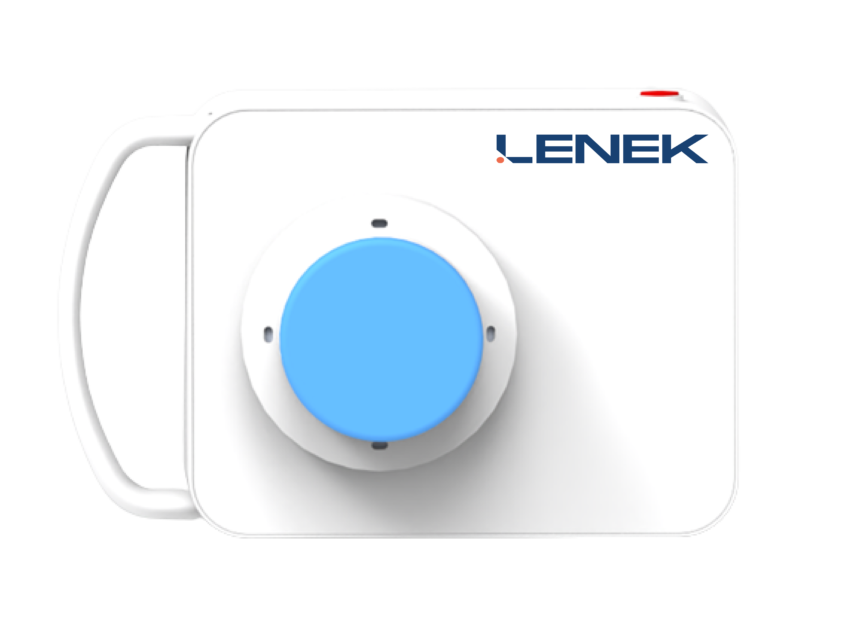
In much of rural India, getting a chest X-ray still means a day-long trip: a bus to the district hospital, a queue, a wait for the radiologist’s report — if there is a radiologist at all. Tuberculosis, which India is trying to eliminate, is most often found late partly because the first diagnostic step is so hard to reach. Lenek Technologies, a Pune-based startup incubated at IIT Kanpur, has spent the last few years shrinking that first step into something that fits in a backpack: a 3.5-kg, battery-powered handheld X-ray generator called LeXIS, paired with AI software that triages chest images for TB risk. It is the same import-substitution playbook Noccarc ran with ventilators — build it here, certify it, deploy it.
The last-mile diagnostics problem
India’s National TB Elimination Programme depends on finding cases early, but conventional X-ray infrastructure — shielded rooms, stable three-phase power, trained radiographers, reporting radiologists — clusters in cities. Mobile vans help, yet they are expensive to run and still need a radiologist somewhere in the loop. Lenek’s answer is to push image capture as far out as possible: LeXIS is designed to be operated by a licensed radiographer at primary health centres, screening camps and villages, running on battery power where the grid is unreliable.
The company was founded in 2021 by Chirag Agrawal, Sidesh Kumar Dhakar and Satyendra Kumar Chaudhary, and is registered in Pune while being incubated at IIT Kanpur’s Startup Incubation and Innovation Centre — a pairing that reflects where its engineering and its clinical collaborations sit. Its TB-screening work has backing from an ICMR collaboration and a Boehringer Ingelheim India partnership routed through SIIC IIT-Kanpur.
LIRA: AI that triages, not diagnoses
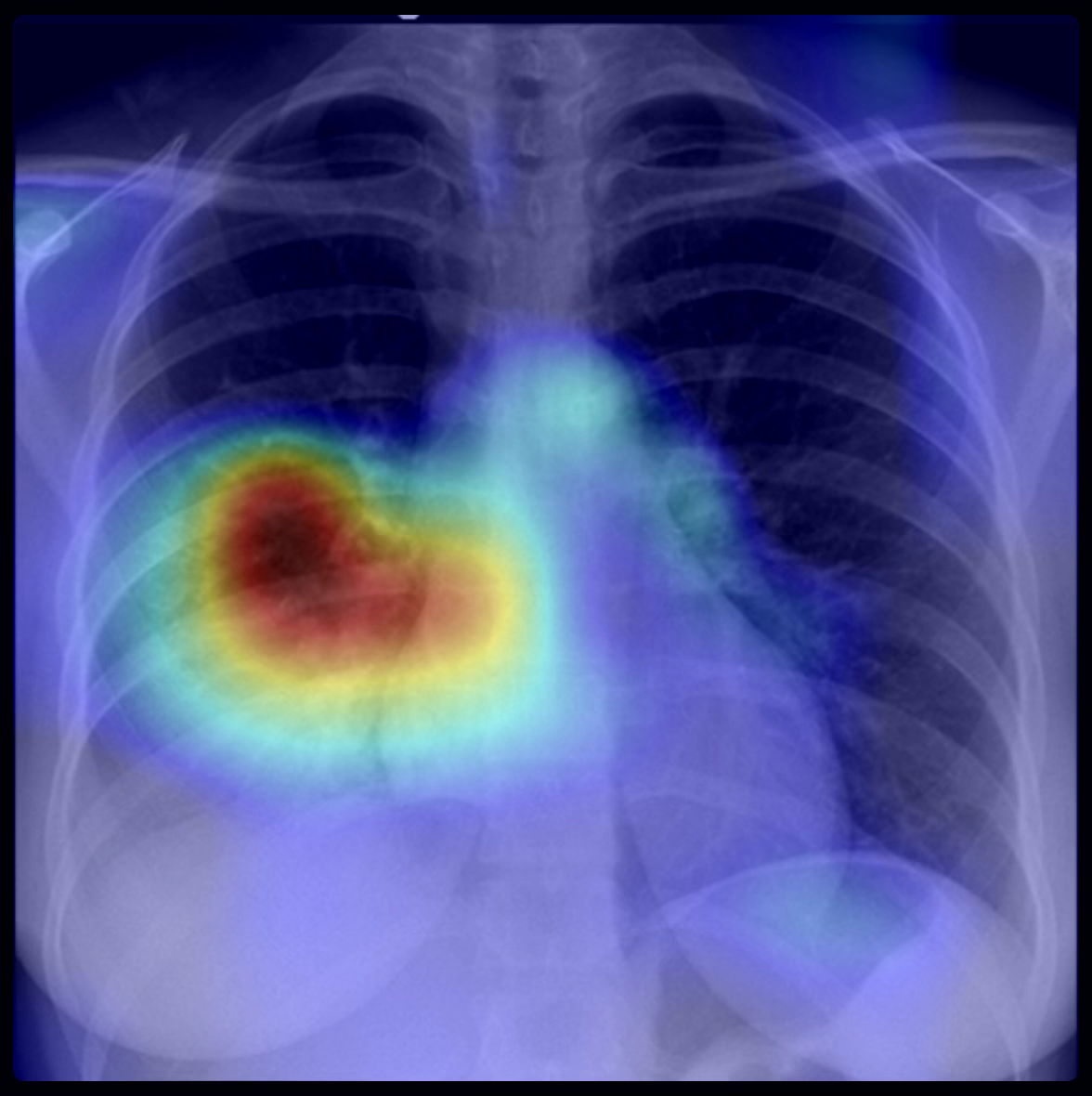
The hardware is only half the story. LeXIS ships with LIRA — the Lenek Intelligent Radiology Assistant — chest X-ray triage software that scores TB risk and highlights regions of interest as heatmaps for a human reader to review. The framing matters: LIRA is positioned as a triage aid that helps prioritise cases for radiologists, not as a replacement for them. Its retrospective clinical validation was published in a peer-reviewed-style study in IJRMS (February–March 2026), covering TB risk scoring on retrospective chest X-ray data — AI triage not unlike NIRAMAI’s thermal-risk scoring for breast cancer.
One claim needs careful handling: Lenek says LIRA is CDSCO-approved, but no independent regulatory listing could be verified — so treat that as the company’s statement, not an established fact. Similarly, the company’s lists of detectable conditions (TB, pneumonia, edema, nodules and others) describe claimed software capabilities; the published validation specifically covers TB triage on retrospective data.
Built for the field, priced for scale
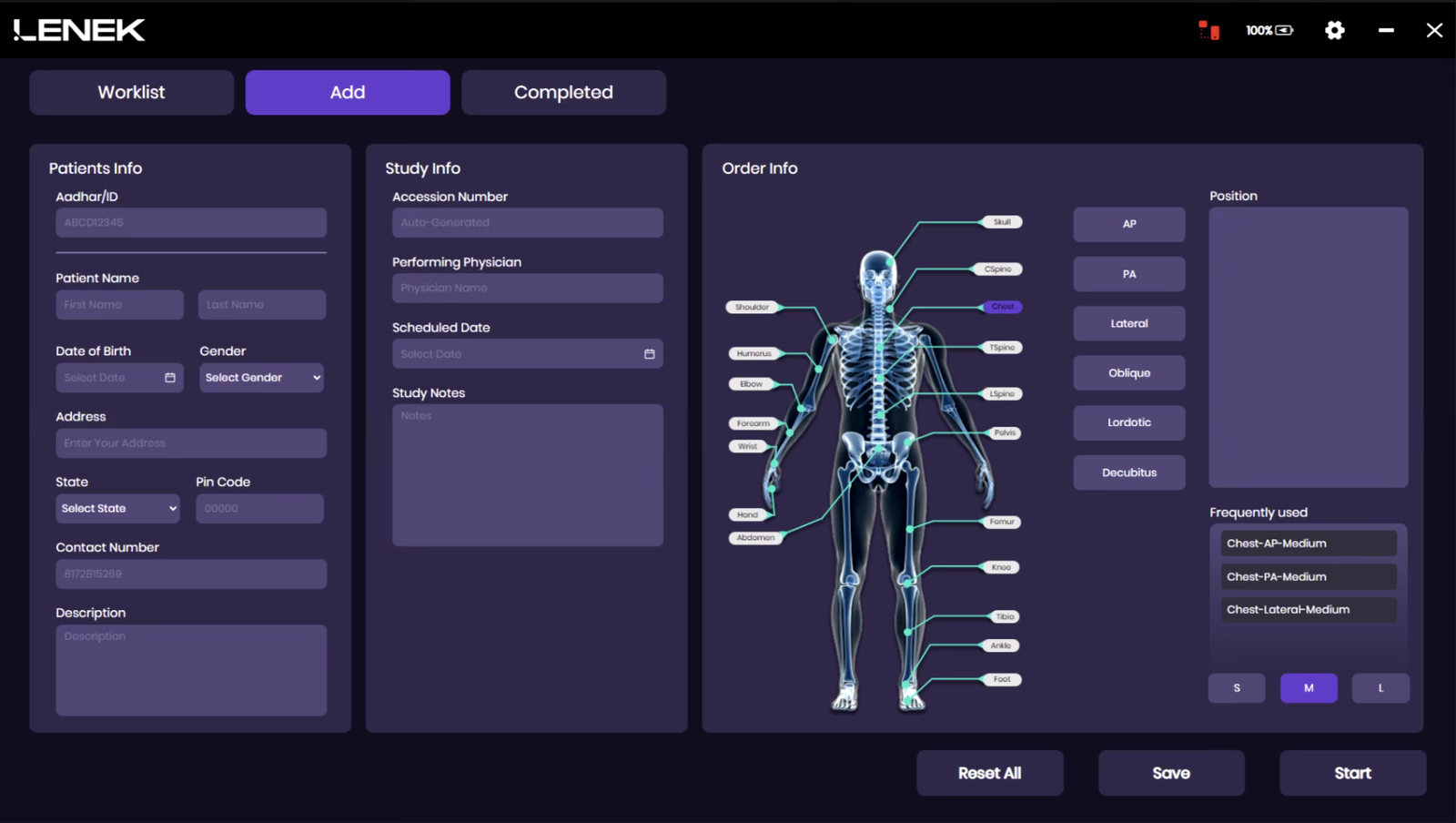
Everything about LeXIS reads as designed around field constraints rather than hospital ones: 3.5 kg total weight, battery operation, a companion app for worklists and body-part selection, and a roadmap that includes a portable ultrasound device (LeUS, currently under development, per the company). The commercial ambition is explicit — the company’s portfolio materials target more than 2,500 units deployed under the National TB Elimination Programme by 2029, though that is a company target, not a contracted order.
A 3.5-kg X-ray machine that runs on batteries — designed for villages where there are no radiologists, no stable power, and no X-ray rooms.
Key takeaway
Lenek’s bet is that the hardest part of TB elimination isn’t the AI or the X-ray physics — it’s the last mile. A device that meets patients where they are, with software that helps scarce radiologists focus, is frugal medtech aimed at exactly the right bottleneck.
What is the Lenek LeXIS?
LeXIS is a 3.5-kg, battery-powered handheld X-ray generator developed by Pune-based Lenek Technologies (incubated at IIT Kanpur). According to the company, it is designed to be operated by a licensed radiographer at primary health centres, screening camps and villages.
What does the LIRA AI software do?
LIRA (Lenek Intelligent Radiology Assistant) is chest X-ray triage software that scores TB risk and highlights regions of interest as heatmaps for human review. It is positioned as an aid to radiologists, not a replacement. Its retrospective TB validation was published in IJRMS in early 2026.
Is Lenek’s AI software CDSCO-approved?
Lenek says LIRA is CDSCO-approved, but no independent regulatory listing could be verified. Treat this as a company claim rather than an established fact.
Who is behind Lenek Technologies?
Chirag Agrawal, Sidesh Kumar Dhakar and Satyendra Kumar Chaudhary founded the company in 2021. It is registered in Pune and incubated at IIT Kanpur’s Startup Incubation and Innovation Centre, with TB-screening collaborations including ICMR.
More Read
Sources & further reading
- Lenek Technologies — official site — Company site: LeXIS specifications, LIRA software, product renders
- IJRMS: LIRA retrospective clinical validation (Feb–Mar 2026) — Published study on the AI triage’s TB risk scoring
- Startuppedia: Lenek company profile — Founding, incubation and partnership background