Electric motors have a hidden vulnerability: the permanent magnets inside nearly every one of them are made from rare-earth metals that China controls — over 90 per cent of the world’s processing, and, since April 2025, under export curbs that have rattled the global EV industry. For most manufacturers, dependence on that supply chain is treated as unavoidable. In Bengaluru, a startup spent six years proving it is not. Chara Technologies builds synchronous reluctance motors with no magnets at all — motors the company says match the torque and efficiency of rare-earth machines while costing 15 to 20 per cent less, with every material sourced from India.
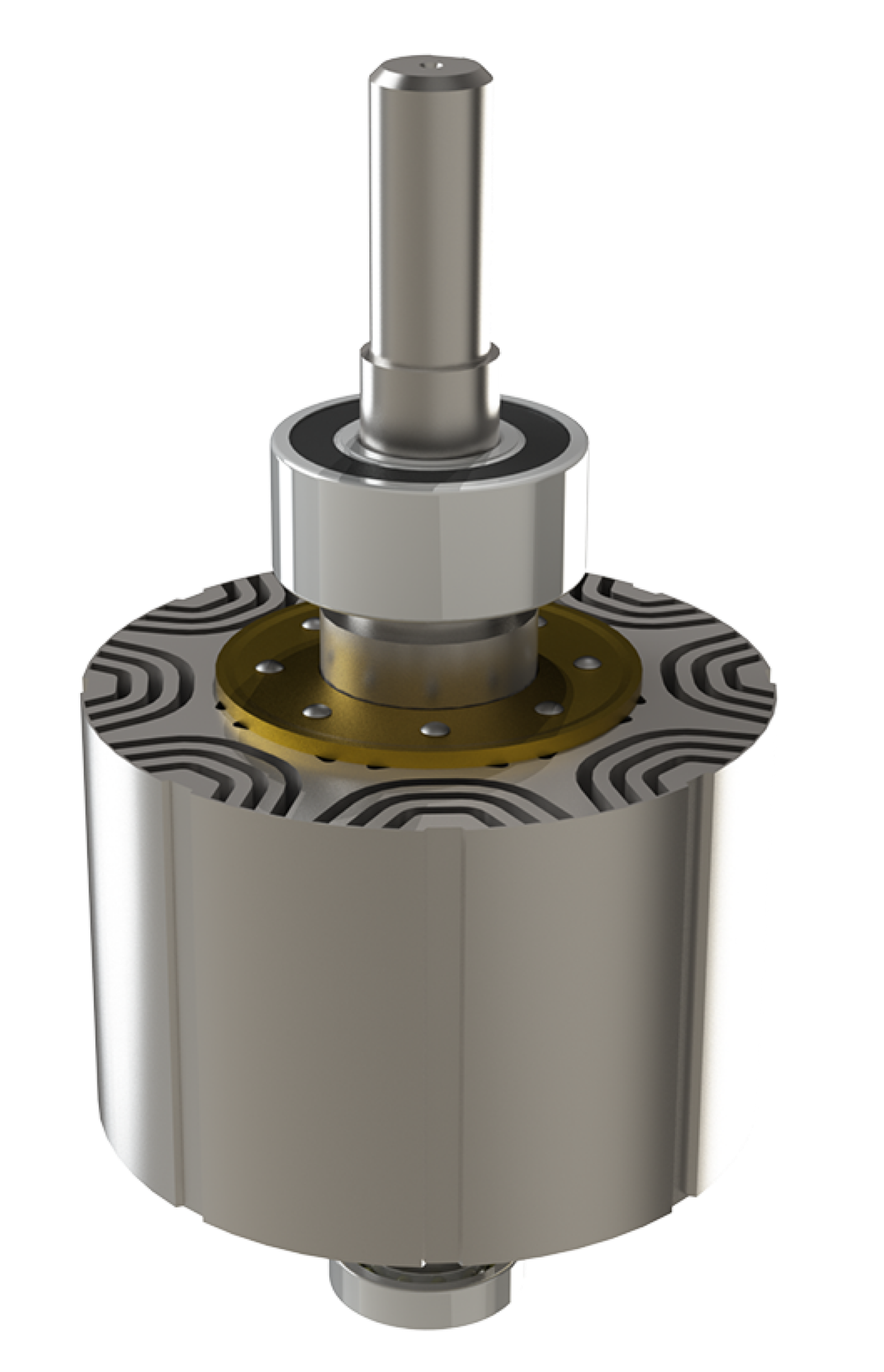
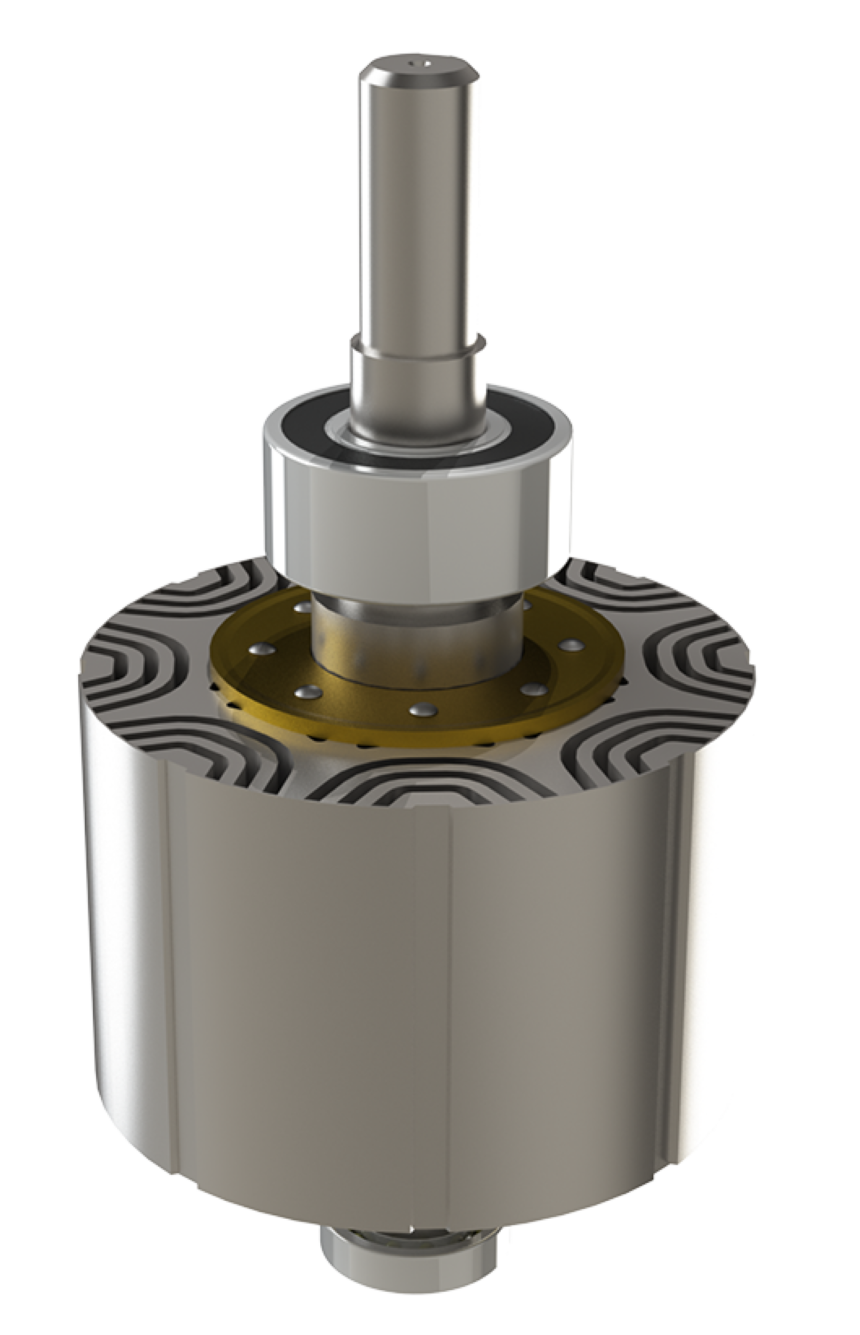
Image: Chara (official company image) — Chara’s magnet-free synchronous reluctance motor, built without a single rare-earth element.
The motor with nothing to demagnetise
Almost every modern EV runs on a permanent magnet synchronous motor, or PMSM, whose power comes from neodymium-iron-boron magnets — the rare-earth materials at the centre of the current trade stand-off. Chara took a different route altogether: a synchronous reluctance architecture that generates torque from the rotor’s magnetic geometry rather than from magnets. The company says this removes rare-earth dependence entirely, along with any risk of demagnetisation, while keeping performance on par with the motors it replaces.
The trade-off is modest. Chara’s motors are roughly 16 per cent larger than a comparable rare-earth unit — about 1.5 kg extra on a two-wheeler and 3 kg on a three-wheeler, the company says. The advantage is a supply chain built on Indian steel, copper and silicon rather than imported magnets that make up nearly 40 per cent of a conventional motor’s cost.
Controllers with brains of their own
The motor is only half the story. Reluctance motors have long been common in industry but were considered too fussy for the stop-start, variable-speed world of electric vehicles — precisely because they demand fast, precise control. Chara answered that with its own drive-control firmware, DCF, running on controllers designed and built in-house. The software manages torque delivery, thermal behaviour and efficiency in real time, which is what lets a magnet-free motor behave like the magnet machines it replaces.
More Read

That end-to-end stack — electromagnetics, hardware, software and manufacturing, all designed from the ground up in India — is what Chara’s customers are buying. The company supplies motors across two-wheelers, three-wheelers, four-wheelers and off-highway equipment for agriculture and industry, and its order book includes names like Greaves Cotton, Sonalika and VST, along with European OEMs. With Greaves Cotton, it has a manufacturing partnership to jointly build synchronous reluctance motors and controllers at Greaves’ Aurangabad facility.
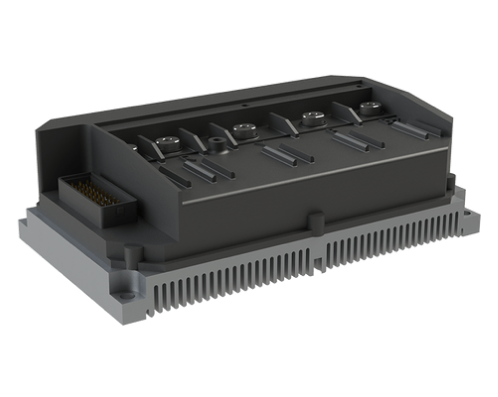
Image: Chara (official company image) — Chara’s in-house intelligent controller with drive-control firmware.
A factory for the magnet-free era
Chara has moved decisively from lab to factory floor. Commercial shipments began in the first quarter of FY26, and on 11 February 2026 the company inaugurated a new controller manufacturing facility in Peenya, Bengaluru — 25,000 controllers a year in the 7 to 30 kW range, with motors and controllers now produced under one roof. Backed by a Rs 52 crore Series A round led by Arkam Ventures in October 2025, the company is scaling total annual capacity from 20,000 to 100,000 units and targeting around 40,000 motor deployments by FY27.
The credentials stack up: nine patent filings, ARAI and ICAT certifications for its automotive products, and a team of around 100 people, three-quarters of them engineers. Former Greaves Cotton CEO Nagesh Basavanahalli sits on its board, and the company already holds a footprint in Belgium and Italy as it eyes Europe and North America.
A Bengaluru bet on supply-chain freedom
Chara Technologies was founded in 2019 by Bhaktha Keshavachar, a former co-founder of fintech company Ezetap, alongside veteran motor designer Ravi Prasad and embedded-electronics specialist Mahalingam Koushik. They started working on rare-earth-free motors years before export curbs made the idea fashionable. From a Bengaluru lab to factory lines shipping magnet-free motors for tractors, scooters and industrial machines, Chara is showing that the most powerful thing inside an EV motor might be the decision to leave the magnets out.
Keep reading: No Magnets, No Problem: Inside Chara Technologies’ Rare-Earth-Free Motor Revolution · No LiDAR, No Maps, No Steering Wheel: Inside Minus Zero’s Camera-Only Bid for Autonomous India · More Automotive & Mobility stories
Like stories like this? Add Exceptional Technology as a preferred source on Google to see more of our reporting in your search results and Discover feed.