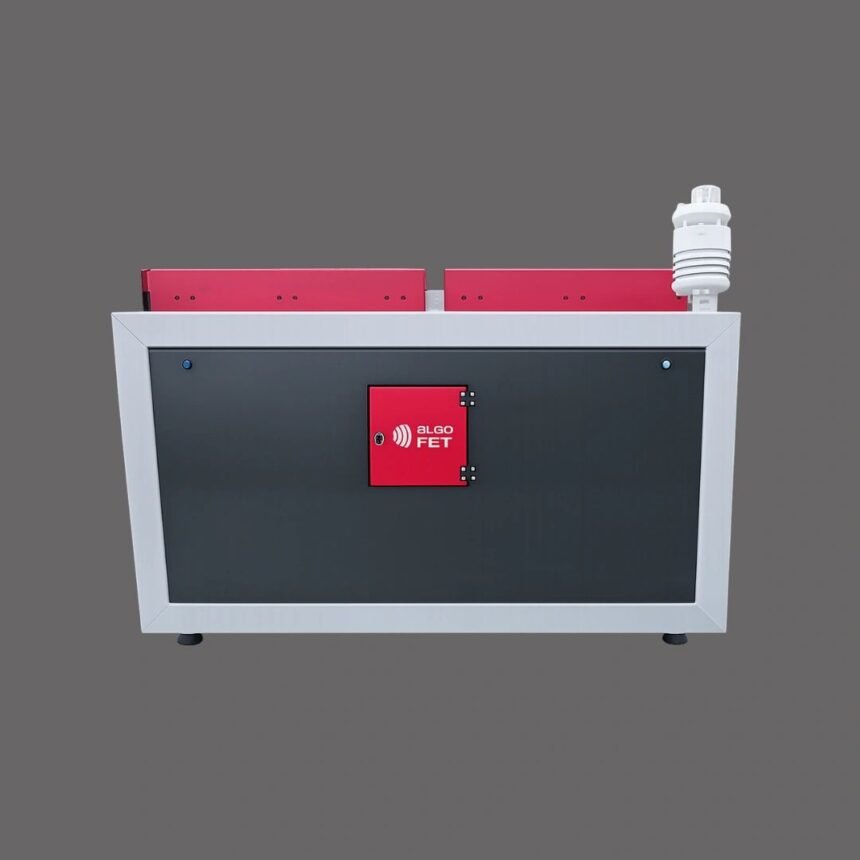
A surveillance drone lifts off a patrol route at first light, flies its grid, and returns to land. What happens next is the least glamorous and most decisive part of drone operations: somebody has to recover the aircraft, swap or recharge its batteries, check their health, and get it back in the air. AlgoFET, a deep-tech startup in Bengaluru, is building the infrastructure that takes the human out of that loop — autonomous ground stations where drones land, recharge, and relaunch entirely on their own.
Founded in December 2023 by IIT Guwahati alumnus Ankit Mishra, and incubated at ARTPARK at the Indian Institute of Science, AlgoFET calls itself the ground layer of drone autonomy. While India has poured investment into drone aircraft — for defence, agriculture, infrastructure inspection and logistics — the company spotted the bottleneck everyone else walked past: every mission still ends when the battery does, and a person still has to intervene.
Five layers, one integrated stack
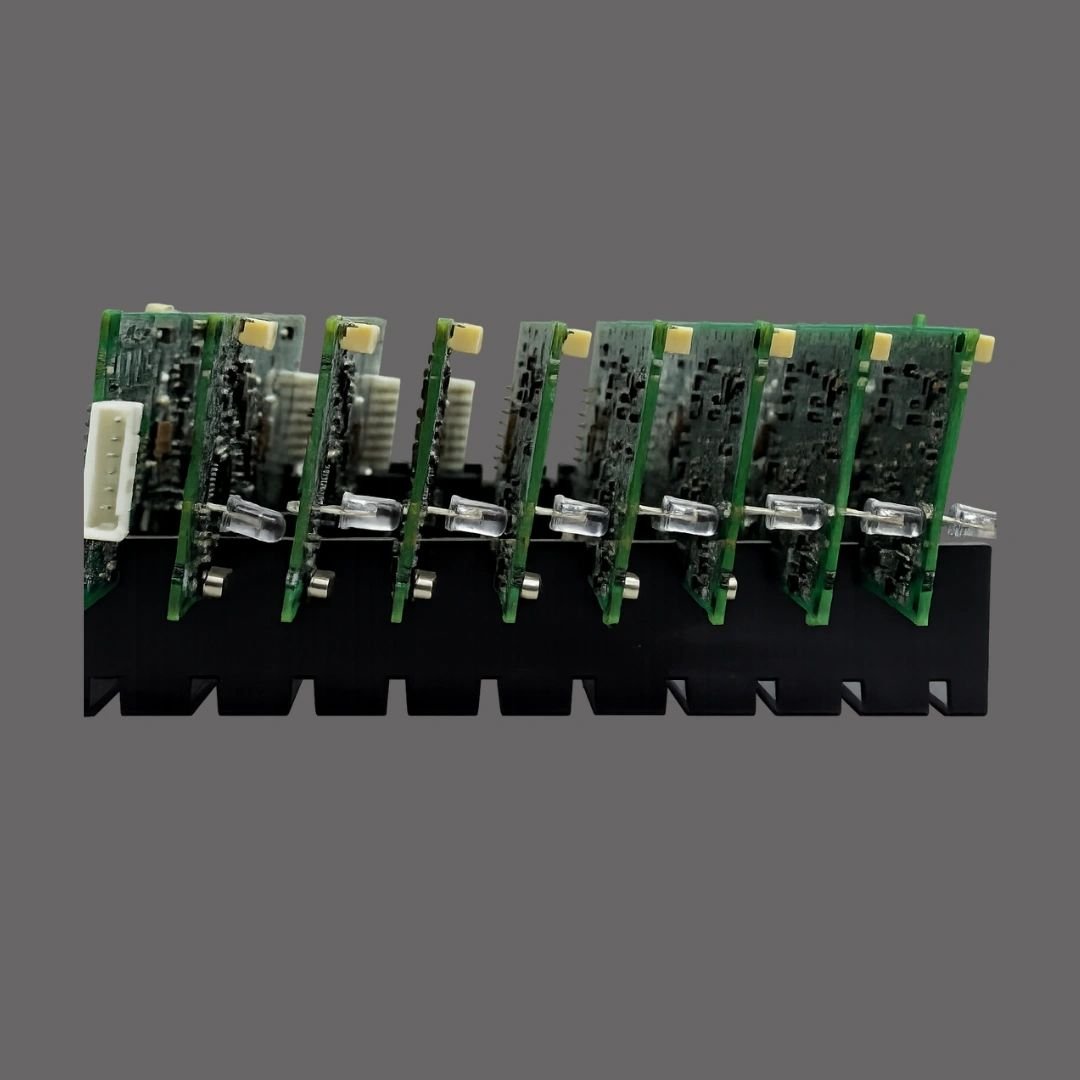
AlgoFET’s answer is a vertically integrated stack of five technology layers, all developed in-house. The flagship product, AlgoDOCK, is an autonomous docking station that receives the drone precisely, connects to it, charges it, protects it from the weather, and reports its condition to the operator. Around it sit AlgoPAD, a wireless charging platform for compatible drones; the AX Charger, an intelligent charger with automated charging profiles; AlgoBMS, a smart battery management system streaming real-time health, performance and diagnostic data; and a suite of support tools — a cloud dashboard, a mobile app, and an embedded display unit — for monitoring and fleet management.
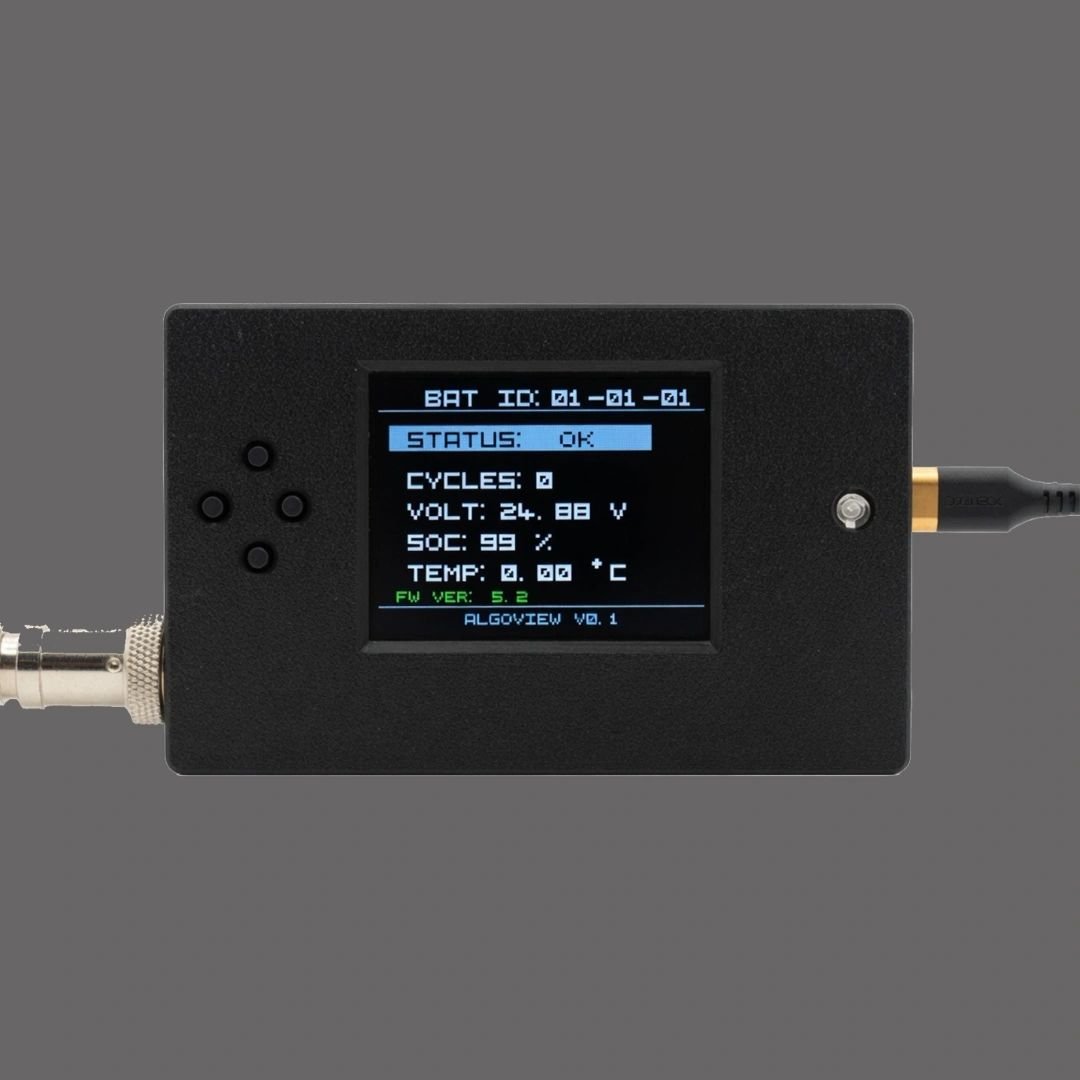
The engineering detail that matters is the integration. Drones can already fly routes autonomously; what defeats fleet operators is the operational tail — battery swaps, charge scheduling, health tracking, relaunch. AlgoFET’s systems are designed so a drone can recover, recharge and relaunch with minimal human intervention, turning drone fleets from one-shot missions into continuous, unattended operations. Applications span defence and border surveillance, agriculture and mining, GIS mapping, infrastructure inspection, renewables, manufacturing, construction, pollution monitoring and disaster response.
2,000 units in the field, a Rs 100-crore pipeline
The traction is already substantial. The company says it has deployed more than 2,000 units, holds an order pipeline of over 4,000 units worth around Rs 100 crore, works with leading Indian drone manufacturers and the Indian Army, and is seeing early interest from manufacturers in the US and Europe. In August 2026 it raised Rs 15 crore in pre-Series A funding led by Piper Serica, a Mumbai venture fund focused on deep tech, to accelerate next-generation products, deepen its proprietary IP, and expand manufacturing at its 12,000 sq ft Kadugodi facility in Bengaluru.
The ambition is the part that excites. Founder Mishra puts it plainly: India has invested heavily in drones; what it has not yet built is the ground infrastructure that lets those drones stay in the air. As drone fleets scale from pilot projects to round-the-clock perimeters, pipelines and power lines, the companies that win will be the ones whose machines never wait for a human with a charger. AlgoFET is building exactly that — the quiet, mission-critical layer beneath India’s autonomous sky.
More Read

Keep reading: The Flying Truck: Inside LogiXair’s L560, the Autonomous VTOL Built to Haul 300 kg Across 600 km · Bouncing Voice and Data Off the Sky: Inside Cyronics, the Pune Lab Building the Indian Air Force’s Wideband HF Modem · More Aerospace & Defense stories
Like stories like this? Add Exceptional Technology as a preferred source on Google to see more of our reporting in your search results and Discover feed.