Vinay Nair spent his weekends driving from farm to farm with his wife, Dr Richa Nair, as she sold biofertilisers and biopesticides and explained to growers how to use them. The science was sound and the farmers were keen, but the maths was not: one person, visiting one farm at a time, could never reach the land that needed her. That weekend routine became a company. In 2021, the Nairs founded KhetiBuddy in Pune with a simple idea — if the advice could travel digitally, the agronomist would not have to.
The first step was a mobile app that let Richa advise farmers remotely from Pune. Then came a much bigger ambition: to digitise the whole farm, not just the conversation. The result is Verdnt, KhetiBuddy’s AI-native platform, which the company says has now digitised more than 250,000 acres of farmland for 35 enterprise clients around the world.
What Verdnt actually does
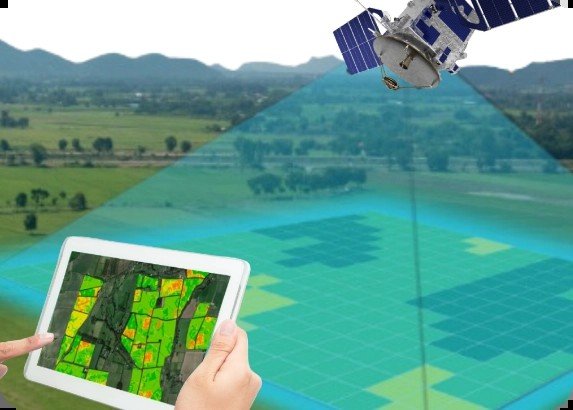
Verdnt structures farm-level information across the whole growing cycle: what was planted, which inputs were applied, how the weather behaved, what the soil readings showed, and how the harvest turned out. Field teams submit that data through mobile apps, IoT sensors or satellite imagery, and the platform feeds it into four connected modules — Farm Management, Supply Chain, Agri ERP, and Sustainability with Digital Monitoring, Reporting and Verification (DMRV).
Because Verdnt plugs into a customer’s existing ERP systems rather than replacing them, an agribusiness does not have to rebuild its technology to use it. The company’s AI models then work on top of that clean, structured data: yield forecasting, disease-risk alerts and quality prediction, each calibrated for specific crops and regional conditions. One sensing model uses satellite imagery to spot which part of a crop is under stress, so a grower can act on one patch of a field without walking every parcel of land every day.
From the field to the boardroom
More Read

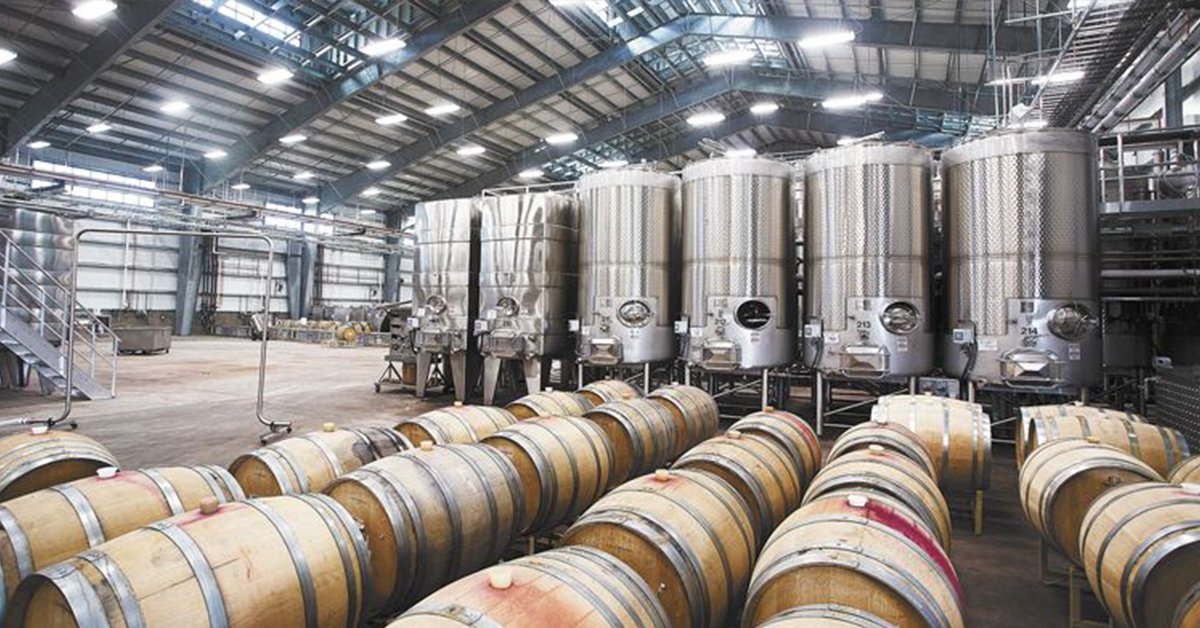
KhetiBuddy’s customers are the mid-sized and large agribusinesses that sit between farms and consumers: input companies managing farmer networks, food brands tracking their supply bases, commodity traders who need export traceability, and plantation operators. When a winery partnered with KhetiBuddy, the company says, it digitised all the grape farmers associated with it; when a pharmaceutical company came on board, it mapped all its medicinal plantations. The same logic applies to a potato-chips value chain, where knowing exactly when the harvest will arrive is what keeps the factory running on time.
One early winery customer went further than operations. It built a quality-based farmer incentive system on top of Verdnt, so measured growing practices directly influenced what growers were paid — good farming, recorded properly, earning a premium price. KhetiBuddy also trains farmers directly, working through local Champion Farmers who guide others in their villages, so the data habit spreads farmer to farmer.
Traceability the world can audit
The timing of Verdnt’s rise is no accident. Food companies selling into Europe and North America now have to prove, with auditable data, where their produce came from and how it was grown — under rules such as the EU Deforestation Regulation, the EU’s CSRD sustainability reporting framework and the US FDA’s FSMA 204 traceability rule. Verdnt digitises the journey from sowing to harvesting, and its barcode-based tracking identifies the farmer, the quality of the produce and even the type of fertiliser used, giving global customers the farm-level evidence their compliance teams need.
That is why the company says North America and Europe are its primary markets: agribusinesses there are prepared to pay for outcomes, not just software licences. KhetiBuddy has incorporated in Canada, is active in the United States and France, and offers Verdnt to international partners under their own brands through a white-label channel. Its next priorities, the company says, are to deepen Verdnt in the markets where it is already active, strengthen that white-label channel, and build out its DMRV and sustainability reporting as regulatory pressure grows — with large plantation and commodity supply chains in Africa and Southeast Asia firmly in view.
Back in India, the customer base is concentrated in the southern states, with a presence in Maharashtra, Gujarat and Uttar Pradesh. The company has grown largely bootstrapped, with early backing from a family office, and the founders bring complementary halves of the problem: Vinay’s two decades building enterprise software platforms, and Richa’s doctorate in science and years working directly with farmers on crop health and biological inputs. One side knew how to build systems; the other knew what a farm actually needed from them.
That combination is what makes KhetiBuddy quietly radical. Indian agriculture has never lacked data — it has lacked data in one place, in one format, that a business can act on. By turning notebooks and scattered spreadsheets into a living map of a quarter of a million acres, a Pune startup is giving India’s farms something they have never had before: a single, trusted record of themselves, from the soil to the shelf.
Keep reading: Frozen in Winter, Flowing in Spring: Inside Acres of Ice, the Leh Startup Building Artificial Glaciers · When in Doubt, Ask Again: Inside KissanAI’s Dhenu Vision, the AI Reading India’s Crops Leaf by Leaf · More Food Processing & Agri-Tech stories
Like stories like this? Add Exceptional Technology as a preferred source on Google to see more of our reporting in your search results and Discover feed.