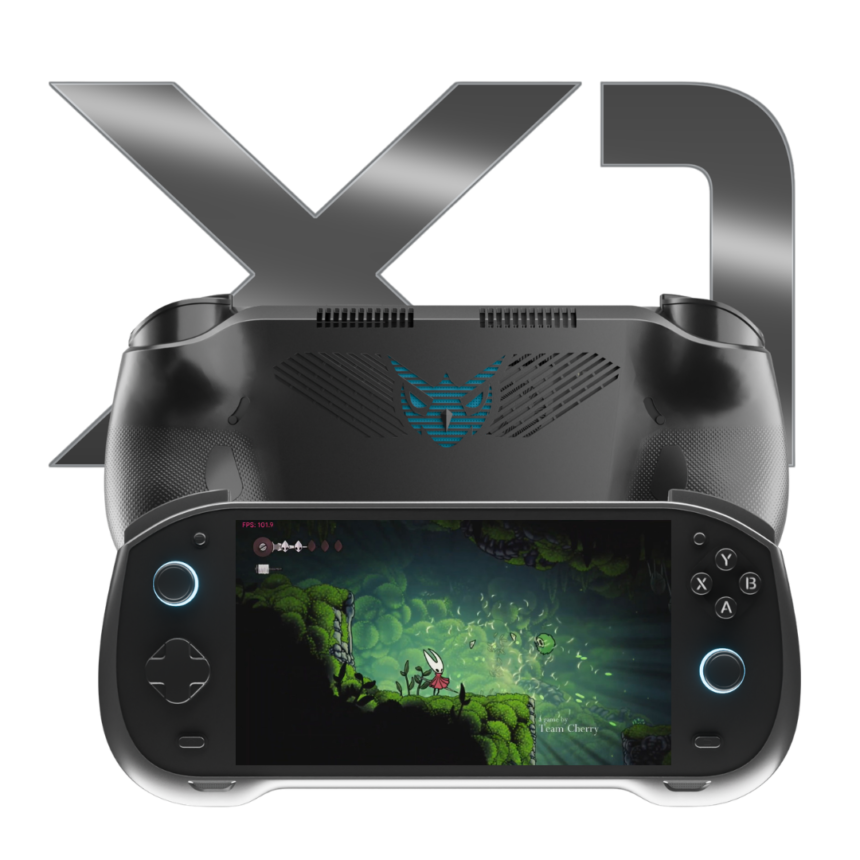
For years, Indian gamers who wanted a proper handheld console had to look abroad. The machines were designed elsewhere, priced for other markets, and often reached India through grey-market imports. ARC, a Bengaluru-based gaming company, decided to build the alternative at home: a dedicated handheld designed around Indian gamers, Indian prices, and the way Indians actually play.
The result is the ARC X1, a portable console that pairs serious gaming hardware with an operating system ARC built itself. It is a machine made for long sessions, big libraries, and the simple joy of picking up a game anywhere.
A handheld built around sustained play
At the heart of the X1 sits Qualcomm’s Snapdragon G2 Gen 2 Gaming Platform, built on a 4-nanometre process with an eight-core Kryo CPU and Adreno A22 GPU. The company says it chose that chip deliberately: not for the biggest benchmark number, but for sustained performance that stays smooth through a long session without getting uncomfortably hot or draining the battery in a hurry.
Around it, ARC has put a 7-inch Full HD LTPS display running at 120Hz, with 500 nits of brightness and Gorilla Glass 3 protection, so fast-moving games stay crisp and readable. Active cooling, with a centrifugal fan pulling air in from the back and out through the top, keeps the chip running at its best, and players can tune fan curves and performance profiles to suit each game.
Controls made to last, and to be fixed
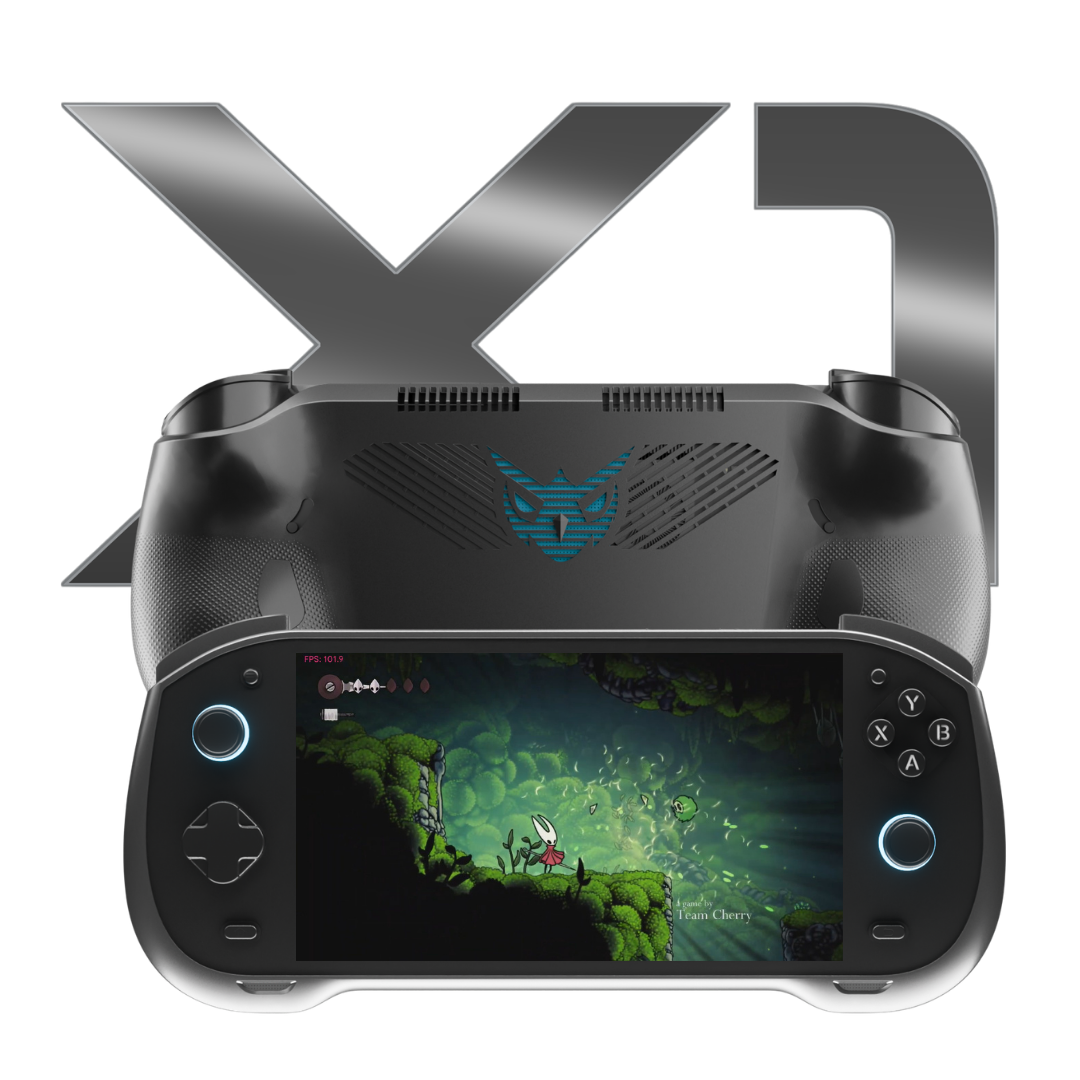
The controls are where ARC’s thinking shows most clearly. The X1 uses tunnel magnetoresistance (TMR) analog sticks, which the company says are drift-free, alongside Hall-effect analog triggers with mechanical locks, microswitch face buttons and D-pad, two programmable rear buttons, and dual linear resonant actuator motors for precise haptics.
Then comes the part most handhelds skip entirely: the battery and the joysticks are replaceable, and the device uses modular daughterboards, so worn parts can be serviced instead of the whole console being written off. It is a handheld designed to be kept, not replaced.
More Read

The rest of the package is generous for the price: 8GB of LPDDR5X memory, 128GB of UFS 3.1 storage expandable to 1TB via microSD, a 9,300mAh battery with 27W fast charging that the company says delivers more than eight hours of play in its lowest-power mode, Wi-Fi 6E, Bluetooth 5.4, USB-C with display output, dual front-facing stereo speakers, and a 3.5mm headphone jack.
OwlOS: an operating system that starts with the controller
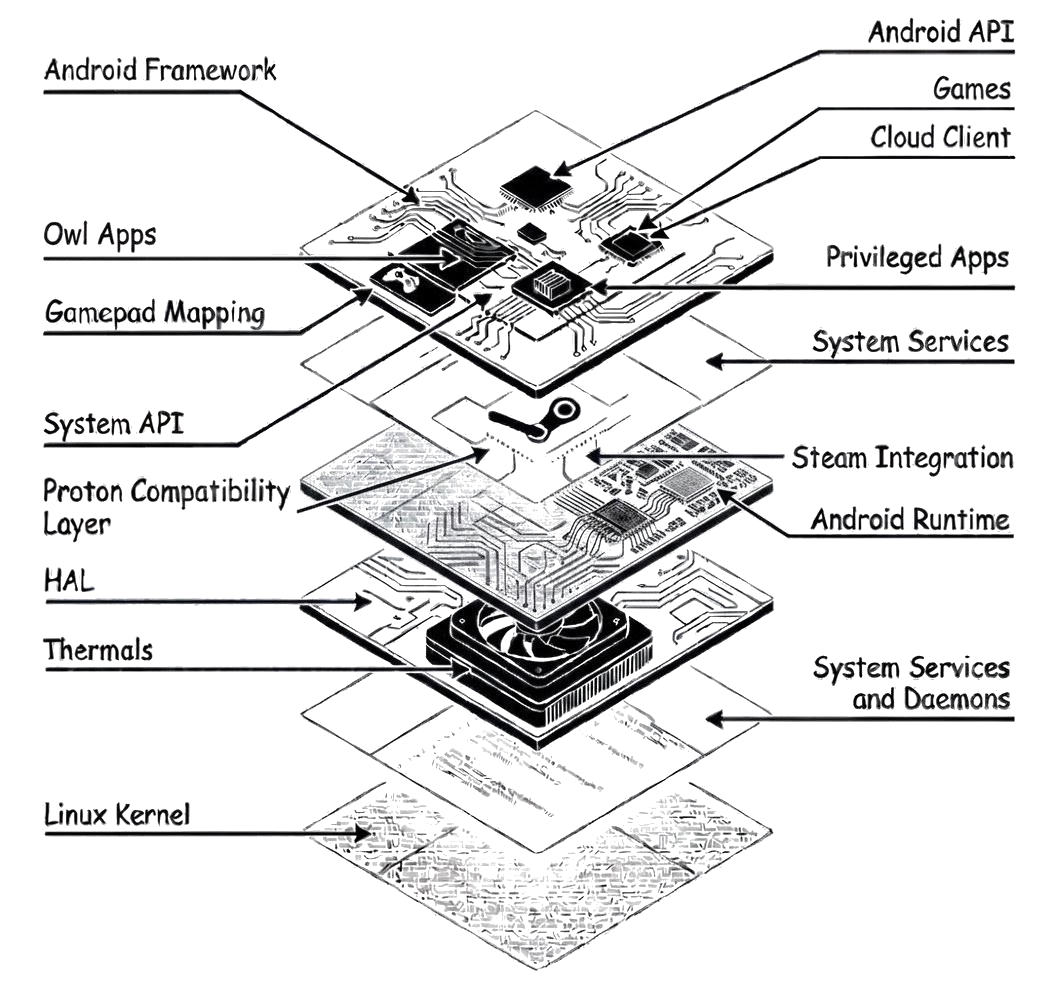
Hardware is only half the story. The X1 runs OwlOS, ARC’s own controller-first operating system built on the Android Open Source Project. Instead of adapting a phone interface to a controller, OwlOS starts with the controller: a unified game library, game discovery, per-game performance and button profiles, resolution scaling, an FPS overlay, and Quick Resume that the company says can bring a suspended game back even after a cold boot.
OwlOS brings native Android games, cloud gaming, and remote play together in one place, so the handheld is not tied to a single store or a single kind of game. It is the software layer that turns a capable device into a console in its own right.
Built with its community, priced for India
ARC was founded in 2025 by Jobin Joseph and Kaustubh K. Jadhav, and the X1 took about 16 months to build, with an early community of gamers weighing in on the hardware, the software, and the feel of the device along the way. The company says that community response has been enthusiastic: more than 50,000 waitlist sign-ups and over 22,000 beta opt-ins ahead of launch.
The company has raised Rs 10.5 crore in a pre-seed round co-led by Chimera VC and MIXI Global Investments, and announced a partnership with Qualcomm covering compute, AI, and wireless connectivity for the device. The X1 is assembled at facilities in Bengaluru and Chennai.
Early access opened on 2 October 2026 at Rs 29,500 for the waitlist community, with the regular price set at Rs 33,500, and the company lists the first deliveries for the first quarter of 2027. For a country where an estimated 2.5 lakh handhelds a year have arrived largely through imports, the X1 is a homegrown answer: Indian hardware, Indian software, and a price that puts a dedicated console within reach of far more players.
The X1 is a neat one: a small Bengaluru team asked why Indian gamers had to settle for imported handhelds, built the hardware and the operating system together, and priced the result for the players it was made for. It is a console built for the love of games, and it is, unmistakably, made in India.
Keep reading: Steering Radar Beams With Silicon: Inside FermionIC Design, the Bengaluru Startup Putting India’s Radar Chips Into Production · Hours Into Minutes: Inside Haber, the Pune Company Teaching Factories to Run Themselves · More Industrial Automation & Technology stories
Like stories like this? Add Exceptional Technology as a preferred source on Google to see more of our reporting in your search results and Discover feed.